Appliance Leak Water Damage in Milton, MA
Washer and kitchen leaks can disappear under a cabinet before crossing the room. Milton restoration pros inspect the appliance water path, extract the spill and dry accessible materials after the connection is repaired.
(888) 480-6221Check behind the appliance spill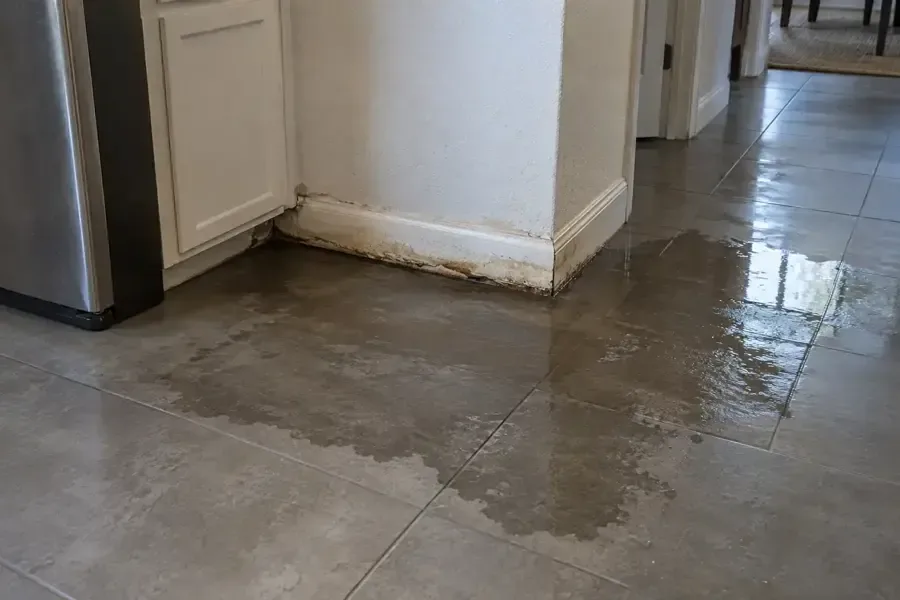
First steps for appliance leak water damage in Milton
- Stop the appliance cycle
Leave the appliance off and avoid restarting it to reproduce the leak. Report the cycle stage and water location to the repair and restoration teams.
- Avoid wet connections
Do not unplug equipment while standing in water or reaching across a wet socket. Electrical safety comes before moving the unit or extracting nearby water.
- Clear a safe work route
Move small dry belongings away from the appliance approach. Leave heavy units and fixed cabinetry for coordinated access after the floor condition is assessed.
- Record the hidden-edge signs
Photograph swollen cabinet edges, wet thresholds and water in the room below if visible safely. These details help define the inspection area beyond the puddle.
What does appliance leak water damage cost in Milton, MA?
Appliance-leak restoration often costs $700 to $4,200, excluding appliance repair or replacement. Water beneath cabinets, damaged composite panels and wet rooms below a laundry increase the work beyond a simple surface spill.
- Water extraction
- Recess inspection
- Limited drying equipment
- Toe-kick access
- Panel condition checks
- Subfloor monitoring
- Vertical moisture tracing
- Ceiling access if needed
- Multiple drying areas
Cost factors: Water category, wet square footage, material class and the time before drying starts shape the scope. Access beneath cabinets, retained insulation and multiple affected levels increase the work.
Use the water damage cost calculator to compare conditions. These typical ranges are planning estimates, not a quote for the property.
How appliance leak water damage proceeds
Identify the appliance release
The technician records the source description and operating stage, checks whether supply or used water escaped and marks the floor and cabinet areas requiring inspection. The technician notes whether water emerged during filling or draining, helping the repair trade investigate the component while cleanup planning begins.
Gain coordinated access
The crew works around the repair trade to expose wet toe kicks, appliance recesses and damaged panels without dragging heavy equipment across vulnerable wet finishes. The contractor photographs the concealed surfaces once accessible and keeps the work route clear for safe appliance handling and finish removal.
Extract and dry the layers
The drying specialist removes accessible water, controls room humidity and checks the floor, cabinet base and nearby wall separately as the retained materials release moisture. The moisture map includes the room below when water used a floor penetration, so a kitchen repair does not overlook ceiling damage.
Verify concealed surfaces
The contractor records final readings before the appliance or replacement panels close the space, then identifies any remaining finish repair or source-repair task in the handoff. The written record distinguishes a functioning appliance from a dry installation recess and lists any cabinetry or flooring repairs that remain.
A wet appliance area can involve fresh supply water, used wash water or a drain overflow. The restoration technician asks what the appliance was doing when the leak began and checks the water route before selecting cleanup controls. The repair technician handles the appliance or connection while the crew addresses the building materials.
Cabinet seams and appliance recesses can hide the wettest materials. Describe the appliance cycle and where water appeared beyond the unit.
(888) 480-6221Check behind the appliance spillLooking past the kitchen or laundry puddle
In Lower Mills, water beneath a dishwasher may reach a cabinet end panel before showing at the room edge. The crew checks toe-kick spaces, the floor beneath the appliance and adjoining finishes. Built-in units may need coordinated access rather than an improvised pull across a wet floor.
- Stop using the appliance until the source is assessed.
- Keep hands away from plugs or sockets standing in water.
- Record whether the appliance was filling, washing or draining.
- Photograph water emerging at cabinet seams or floor edges.
Homes around Milton Village and Brush Hill have individual kitchen and laundry layouts. The technician follows the actual cabinet and floor arrangement, including a room below an upper-level appliance when the water route suggests vertical travel.
Drying beneath cabinets and finish layers
Water can soak a composite cabinet base while the visible tile remains easy to wipe. The contractor checks swelling, loss of strength and trapped moisture before deciding what stays. Removing a toe kick or damaged panel may expose a wet space that room fans cannot reach.
After extraction, the drying specialist controls humidity and directs airflow through accessible areas. A floor covering may limit evaporation from the subfloor. The team records the retained layers separately and explains when removal is necessary for access or because the material has already deteriorated.
- Appliance repair and building drying receive separate scope entries.
- Used appliance water requires an appropriate contamination assessment.
- Wet cabinet backs can remain hidden against the wall.
Preventing the repair from concealing moisture
A reconnected appliance should not cover a still-wet floor without an agreed drying plan. The contractor coordinates with the repair trade and checks the area before the unit returns to position. Final readings and photographs show the condition of surfaces that will become inaccessible again.
The EPA WaterSense leak information supports household water-use awareness. The Ready.gov planning page helps organize safe emergency actions and contacts. A resident who knows a reachable shutoff can describe whether the water source has stopped during a 24/7 cleanup request.
Milton restoration crews evaluate the specific leak rather than assuming every appliance spill is clean water. The source, elapsed time and materials contacted determine whether cleaning and drying can preserve a finish or controlled removal is the sounder choice.
Appliance Leak Water Damage and the IICRC S500 standard
Moisture measurements
The technician compares wet materials with an unaffected reference of the same kind. Surface touch alone cannot show whether the full assembly has reached its drying goal.
Equipment adjustment
The drying team records temperature and relative humidity, then adjusts airflow and dehumidification when a cavity or dense material stops improving. Equipment stays until readings support removal.
Written progress
The restoration contractor records the initial condition, removal decisions and final readings. A dated record helps the homeowner understand what remains before repairs close the affected area.
Safe work boundaries
The response team separates wet work from occupied rooms, checks equipment power requirements and keeps exit routes open. Occupants keep children and pets clear of hoses and cords.
Appliance Leak Water Damage service in Milton
Water damage service covers ZIP 02186, including Brush Hill, Milton Hill, Milton Village and Lower Mills. Describe the building entrance and affected level when arranging access.
Appliance Leak Water Damage questions in Milton, MA
Is a dishwasher leak always clean water?
No. The appliance may release incoming supply water or used wash water, and the route can add contamination. The contractor determines the cleanup category from the source and conditions before choosing removal, cleaning or drying.
Should the appliance be pulled out immediately?
Heavy equipment, wet electrical connections and fragile flooring can make that unsafe. The repair and restoration trades coordinate access after checking the hazards. The homeowner can describe where water emerges without moving a built-in unit.
Why is a cabinet base swollen after the floor dries?
Composite panels can absorb water and lose their shape or strength. Surface drying does not reverse that physical damage. The contractor evaluates the panel and concealed moisture, then explains whether removal or replacement is needed.
Can water reach the ceiling below a laundry?
Water can travel through floor openings and seams into a lower ceiling assembly. The technician checks the room below when the leak path warrants it, including insulation and framing that may remain wet before a visible stain develops.
What should happen before the appliance goes back?
The source repair should be complete, and the contractor should document the floor and wall condition behind the unit. Any ongoing drying access needs must be agreed before the appliance covers the area again.
Does the cleanup range include a replacement machine?
Published restoration ranges cover the water-damage work described in the scope. Appliance repair, replacement and major finish reconstruction are separate costs unless explicitly included. Review the written agreement and insurance terms for the property.
Related water damage services



Check the recess before the appliance returns
The drying crew measures the floor and cabinet assembly while the affected surfaces remain accessible.