Water Damage Restoration in Braintree
Water across a room changes the next decision quickly. Cleanup starts with the source, safe access and the materials getting wet, then follows moisture into the places a towel cannot reach.
(888) 480-6221Get help with wet rooms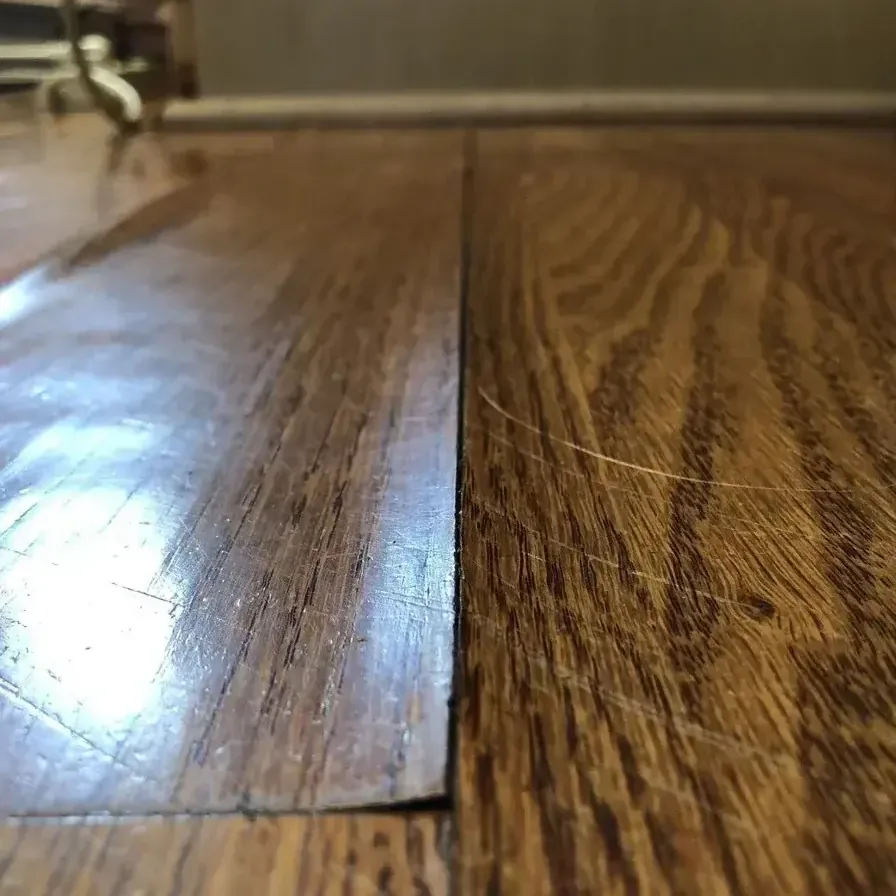 Describe the affected floor, any active flow and electrical concerns before entering a wet room.
Make the next move a safe one
- Stay outside unsafe rooms Water near electrical equipment, a sagging ceiling or an unstable floor requires restricted access until the hazard has been assessed.
- Stop a reachable supply An accessible shutoff on dry footing may limit a plumbing leak. Avoid crossing standing water to reach a valve.
- Pause affected fixture use Keep appliances and connected drains idle when an overflow continues or wastewater returns. Additional discharge can enlarge the damaged area.
- Record from dry footing Photographs of the source and visible damage help preserve the sequence of events without moving through water or disturbing weakened finishes.
- Explain access and conditions Describe the entry route, water depth, wet rooms and any unusual odor so the initial cleanup assessment can address those conditions.
Cleanup matched to the damaged space
A wet ceiling needs different access than a flooded floor. Select the service that best matches where the water started and spread.

Water Extraction
Standing water removal opens the way for moisture testing around doorways, floor edges and adjoining rooms after the source stops.
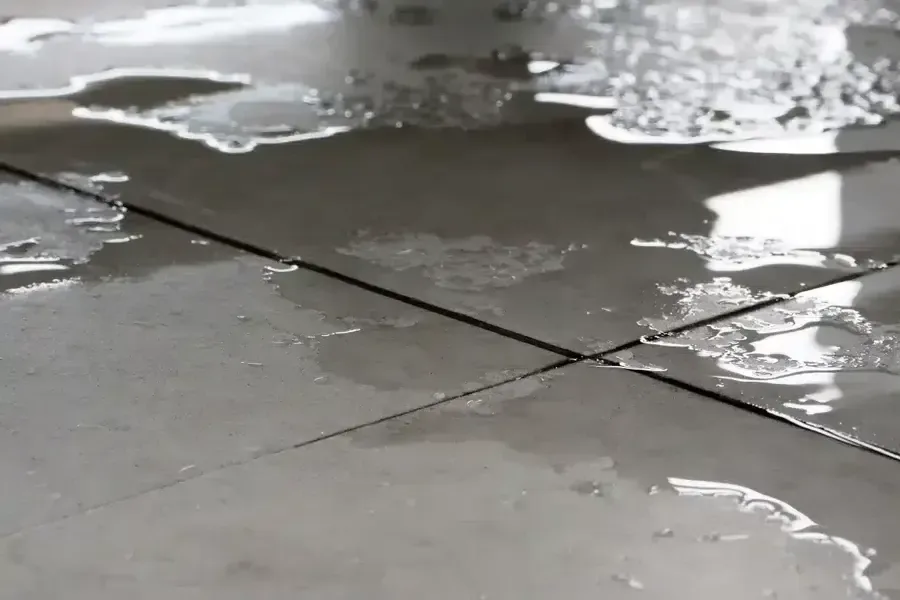
Slab Leak Water Damage
Damp flooring over concrete needs a traced source, access planning and measurements beneath finishes before the surface can be restored.
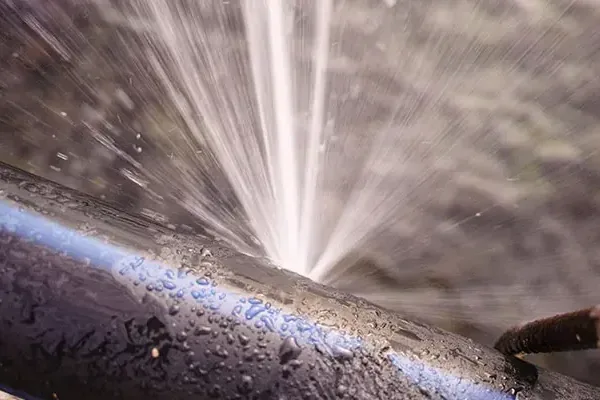
Burst Pipe Water Damage
A pressurized pipe release can soak several surfaces together. Cleanup follows the spray path and the water moving beneath partitions.

Ceiling Leak Water Damage
Overhead staining calls for careful inspection above the visible mark, with attention to wet insulation, weakened panels and electrical fixtures.
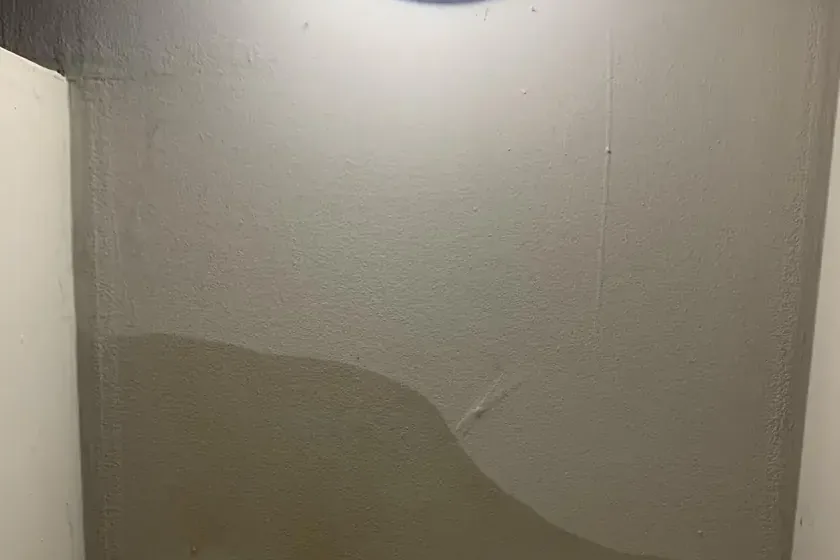
Roof Leak Water Damage
Rain entering through roofing can travel along framing. Interior drying works alongside roof repairs and checks of the rooms below.

Storm Flood Cleanup
Outdoor floodwater brings soil and debris inside. A separate cleaning plan addresses contaminated finishes, protected access and disposal before drying.
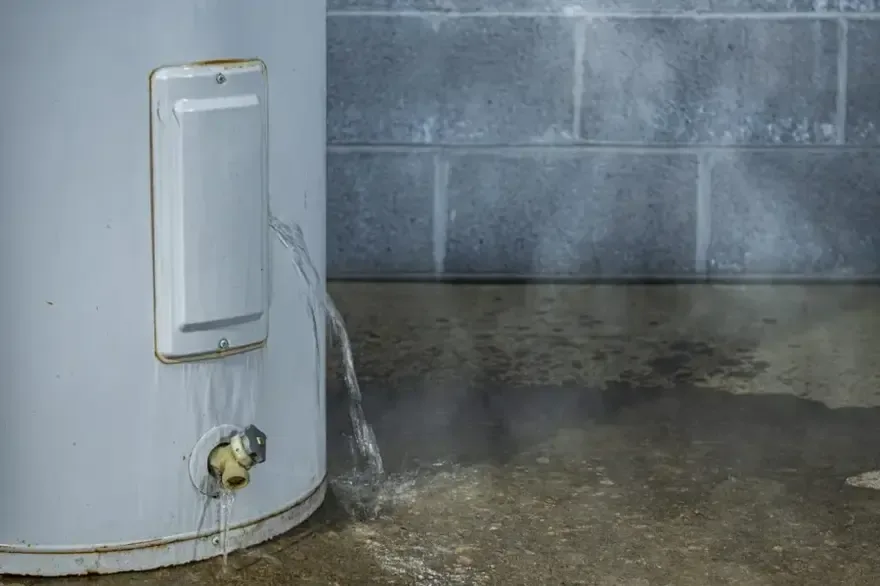
Water Heater Leak Cleanup
A leaking tank can wet storage, trim and neighboring floor layers. Damage assessment extends beyond the space directly under the heater.
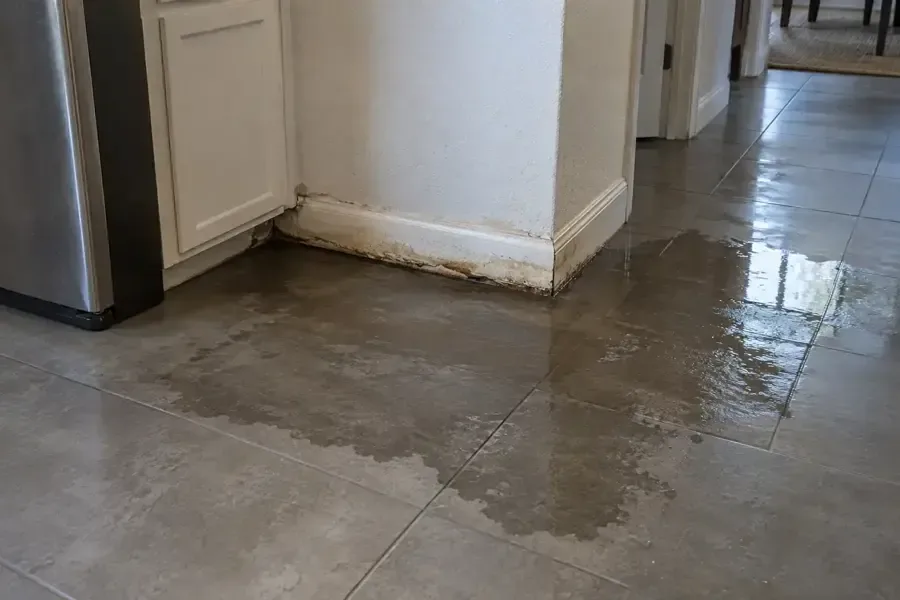
Appliance Leak Water Damage
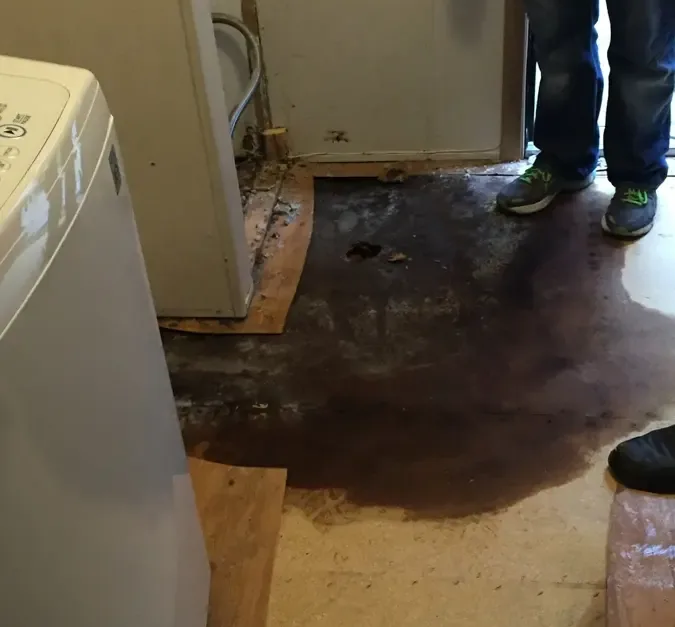
A washer or kitchen appliance spill may disappear beneath cabinets. Inspection tracks the wet footprint behind equipment and into concealed edges.
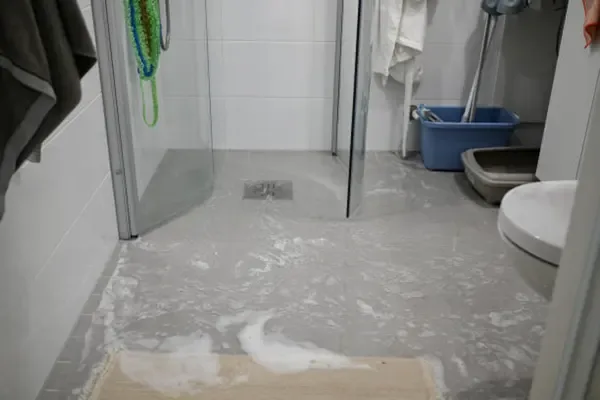
Toilet Overflow Cleanup
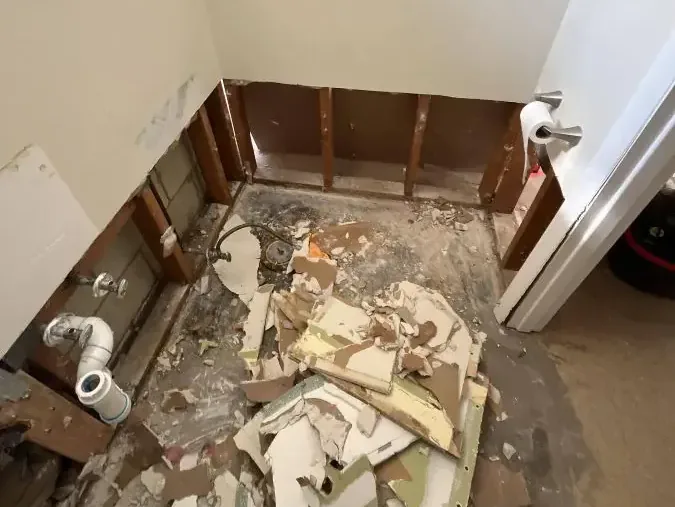
Bathroom overflow cleanup begins by restricting access and stopping use of affected fixtures while the spill and drain condition are assessed.

Sewage Backup Cleanup
Sewage rising through drains requires containment, removal of affected porous materials and cleaning of salvageable surfaces before air movement begins.

Hardwood Floor Water Damage
Raised seams and cupped boards need moisture readings across the floor assembly, with repair decisions based on condition after controlled drying.

Structural Drying
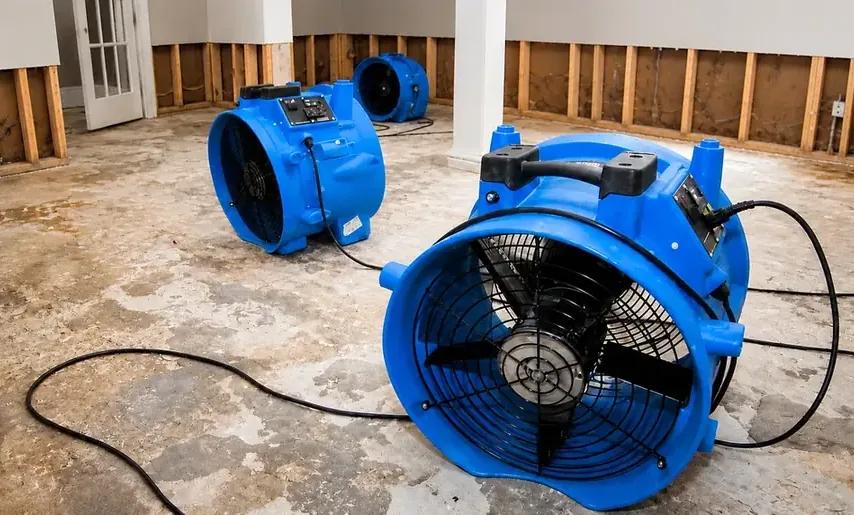
Framing and wall cavities can retain water after floors look clear. Controlled humidity and repeat measurements determine the remaining drying work.
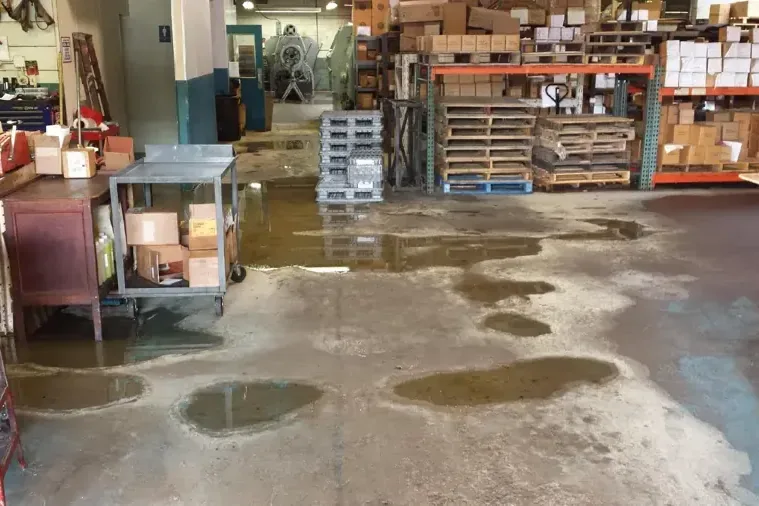
Commercial Water Damage
Business cleanup separates damaged work areas from usable rooms, protects records and equipment, and coordinates access with the person managing operations.
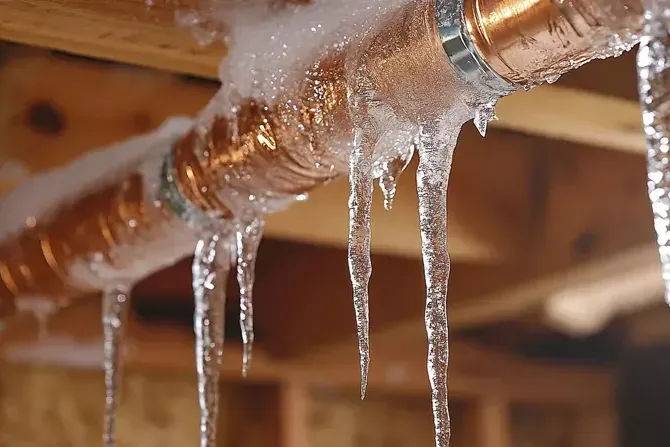
Frozen Pipe Water Damage
A thawing pipe can release hidden water. Safe isolation, plumbing repair and inspection of adjoining cavities shape the winter cleanup plan.

Basement Water Removal
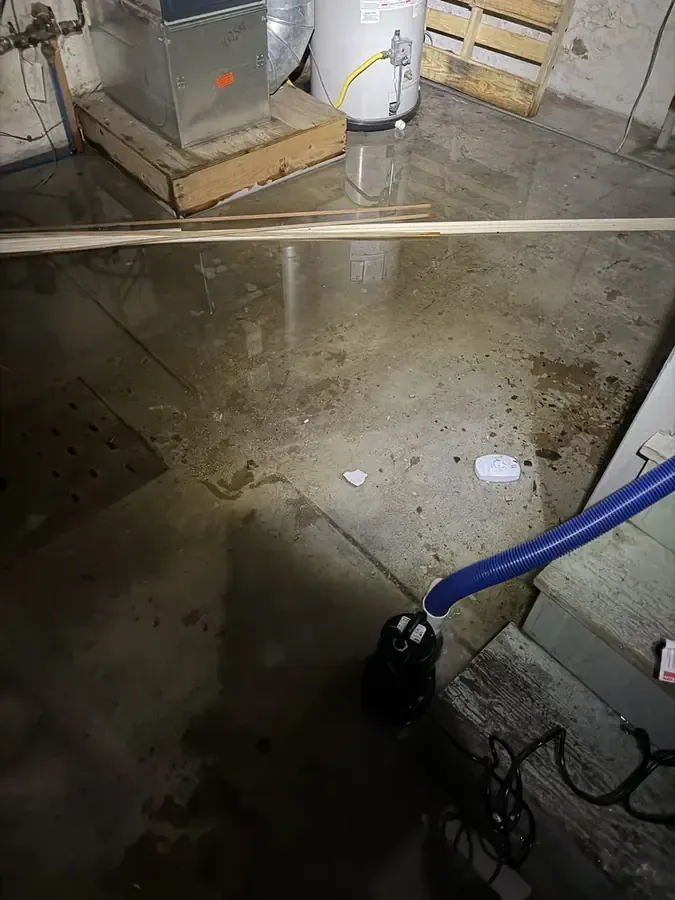
Water below grade calls for a safe entry assessment, an identified entry route and attention to wet contents, walls and floor finishes.
A room needs more than a dry surface
Restoration decisions depend on the whole assembly. Water may remain behind trim or under flooring after a surface feels dry, so removal, cleaning and drying need a connected plan for the affected space.
- 01
Map the affected footprint
The initial inspection traces water across connected rooms and identifies materials that can be reached safely for testing, removal or drying equipment placement.
- 02
Separate cleaning from drying
Water source and material condition determine whether a finish can stay. Contaminated porous materials need a different approach from accessible cleanable surfaces.
- 03
Follow changing moisture readings
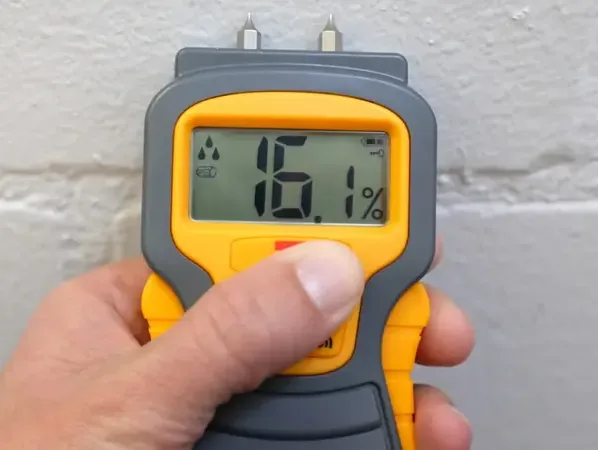
Repeat measurements show whether retained materials respond to the equipment. Stalled readings prompt checks for trapped moisture, continued leakage or inadequate access.
- 04
Prepare the repair handoff
The final record identifies retained materials, removed finishes and remaining repair work so reconstruction follows a clear assessment of the drying results.
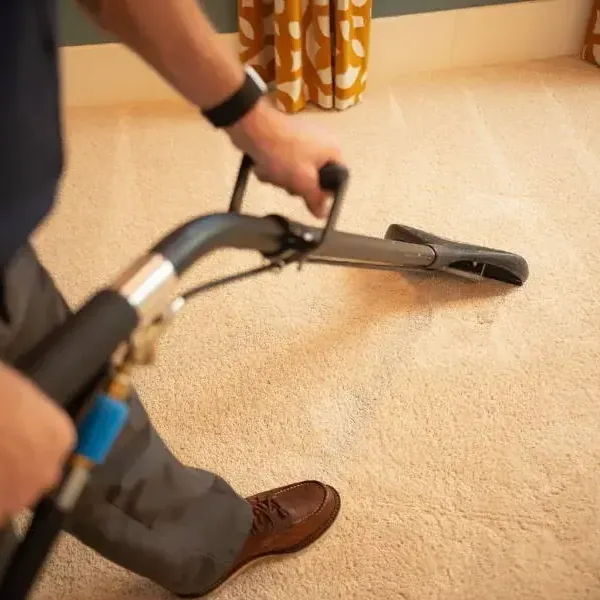
The hidden edges deserve attention
A doorway, cabinet base or wall bottom can hide the next wet area. Thorough assessment connects those details to a practical scope for removal, drying and later finish repairs.
Source comes first
Equipment cannot compensate for water still entering the room. Plumbing, roof or drainage correction needs coordination with the cleanup work and safe access.
Visible damage has boundaries
Inspection extends beyond discoloration to establish a measured wet area, reducing guesswork about which nearby finishes need attention and which remain outside it.
Contents need sorting
Wet storage and furniture are assessed separately from the structure, with photographs and clear separation between salvageable belongings and materials awaiting disposal decisions.
Progress stays measurable
A drying log connects equipment changes with material readings, giving the owner a useful account of what happened inside the affected rooms over time.
The source changes the cleanup approach
Supply water release
A damaged pipe can wet walls rapidly. Source isolation and a measured room assessment establish the initial removal plan.
Trace the escaped supplyEquipment discharge
Appliance water may contain residues and travel under finishes. Assessment includes the machine recess and neighboring cabinet or floor layers.
Follow the appliance spillWastewater intrusion
Returning sewage needs restricted access and controlled removal. Cleaning suitability determines which affected materials can remain in the building.
Separate contaminated areasWhat can Braintree water cleanup cost?
Braintree cleanup costs depend on how far water traveled, which materials remain wet and whether contamination changes removal requirements. These planning ranges describe different scopes; an inspection establishes the actual work and separates cleanup from plumbing or reconstruction charges.
- Accessible wet finishes
- Limited removal work
- Focused drying equipment
- Several affected surfaces
- Concealed moisture checks
- Expanded equipment placement
- Broader material removal
- Contamination handling needs
- Complex drying access
A written scope should explain extraction, cleaning, equipment and monitoring separately. Roof work, plumbing correction, replacement finishes and contents handling may require distinct estimates depending on the condition found.
Document damage as decisions happen
Photographs and a clear sequence help explain a water loss. The policy and cause determine coverage, while cleanup records describe the materials, work and conditions at the property.
When paying directly
A self paid project still benefits from a written scope. Ask which materials are included, how drying will be checked and which repair trades need separate coordination before work begins.
If the budget needs staging, discuss urgent removal and moisture control first. Delaying finish replacement differs from leaving trapped water behind cabinets or closing a cavity before its condition is assessed.
- Photograph the source before safe repairs alter it.
- Keep receipts for emergency measures and damaged belongings.
- Record when water was first noticed inside.
- Save the written cleanup scope and equipment records.
- Ask about approval requirements before permanent finish replacement.
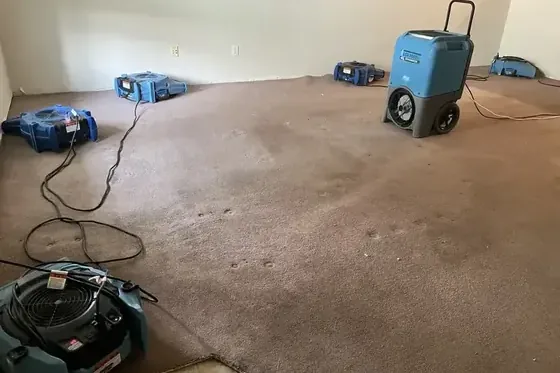
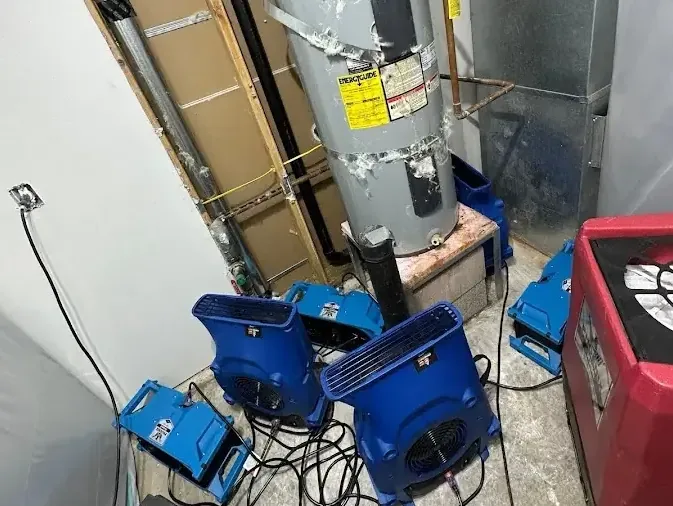
Equipment, access and the materials beneath the surface
Braintree cleanup assessment areas
Areas and connecting roads
Local ZIP codes
Nearby service pages
Describe the room as well as the location
For a property near Pond Meadow Park or Sunset Lake, explain the affected level, entry restrictions and whether water is still entering before cleanup access is arranged.
Weymouth Landing properties may involve several people coordinating access. Identify the owner or manager responsible for the wet room and any adjoining space needing inspection.
Plan before arranging cleanup
Compare wet area, drying conditions and safe access.
Nearby service areas
Water damage articles
Read about water entry, material drying and claim records.
Read the water damage articlesOutdoor events and indoor leaks need different responses
The Cochato River, coastal flooding history and municipal sewer notices provide useful context for water problems. At a building, the immediate task remains identifying the actual entry route and affected materials.
March 2, 2018: A nor'easter flooded Smith Beach, while Howard Street closed between Quincy Avenue and Shaw Street during the same event.
- Storm entry Outdoor water reaching a doorway can carry debris beneath finishes. Assessment follows the wet route inside and separates contaminated materials from dry possessions.
- Sewer return July 10, 2025: A sanitary sewer manhole overflow at Trotter's Green affected the Monatiquot River. Indoor backups require their own source assessment.
- Summer humidity Warm, rainy and humid summers make indoor moisture control useful during drying. Equipment needs monitoring rather than reliance on open windows alone.
- Winter plumbing Cold rain, snow and low winter temperatures make supply problems a seasonal concern. A suspected freeze needs safe plumbing assessment before normal use resumes.
- Private water services Owners are responsible for the water service on their property. The municipal portion runs beneath the road up to the property boundary.
Questions before cleanup starts
Should standing water be removed immediately?
Water removal is an early priority after entry is safe and the source is controlled. Electrical hazards, unstable finishes and contaminated water can change the approach. A household vacuum or an unprotected walk through the room can create additional risks.
Can the room stay furnished during drying?
Some belongings can remain outside the wet footprint, while wet furniture or packed storage may block inspection and airflow. The assessment should identify what can be protected in place, moved to a dry area or documented for a separate contents decision.
Does a supply leak involve the municipality?
Responsibility depends on the location of the damaged water service. The owner maintains the portion on the property; the municipal system maintains the portion beneath the road to the boundary. Interior damage still needs assessment and source correction appropriate to the building.
Can a ceiling stain wait until painting?
A stain may sit below wet insulation or damaged ceiling board. Fresh dripping, swelling or sagging calls for restricted access and ceiling assessment before decorating. Paint does not address retained water, and a roof or plumbing repair may be needed above the visible mark.
What happens to wet carpet?
The source, backing, cushion and time spent wet affect the decision. Assessment includes the material underneath and the tack strips at the edges. Extraction can remove accessible water, but contaminated or deteriorated layers may need removal before the remaining assembly can dry.
Will every wet wall need opening?
Opening decisions depend on readings, access, insulation and contamination. Some materials respond to controlled drying in place; others trap water or lose strength. The scope should identify the reason for each opening and preserve a clear path for later wall and trim repairs.
How is a storm loss different?
Water entering from outdoors may carry sediment and contaminants across floors and into wall bottoms. Removal therefore includes a cleaning and material disposal assessment. A repaired doorway or cleared drain addresses entry, while interior restoration deals with what the water already reached.
Is insurance payment certain?
Coverage depends on the cause, policy terms and the insurer's decision. Photographs, source repair notes and an itemized scope help explain the event. An owner can ask the insurer about documentation and approvals while arranging safe measures to limit continuing damage.
When can replacement flooring be installed?
Installation follows an assessment of the substrate and the requirements of the chosen flooring system. A dry looking surface alone is insufficient. The repair contractor needs moisture information, access to the prepared floor and clarity about any remaining source or drainage issue.
Start with the source and wet footprint
A clear description of water entry and affected rooms helps shape a safer, more useful cleanup assessment.