Water Heater Leak Cleanup in Braintree
Water around a heater can spread under walls before the tank problem is corrected. Cleanup inspects the equipment area and neighboring materials, with safe energy isolation and plumbing work coordinated before handling begins.
(888) 480-6221Assess the heater's wet surroundings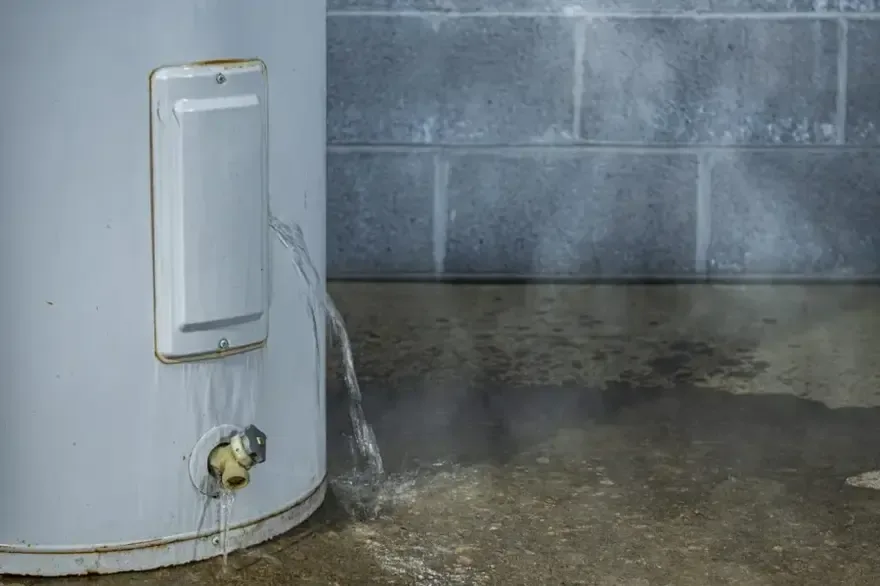
First steps for water heater leak cleanup in Braintree
- Keep clear of wet controls
Avoid touching the heater or its energy connections when surrounding surfaces are wet. Safe isolation belongs with the appropriate trade before equipment movement or cleanup near the appliance.
- Describe the escaping water
Report whether the puddle is growing, where it has crossed a doorway and whether nearby storage is wet. These observations help define the initial restoration access needs.
- Protect accessible dry storage
Move unaffected belongings away from the work route only where the floor and surroundings are safe. Soaked cartons or heavy items may need documented handling instead.
- Coordinate before tank replacement
Tell the equipment contractor that surrounding materials need moisture assessment. Leaving useful access during the repair sequence helps avoid covering a wet floor or wall edge again.
What does water heater leak cleanup cost in Braintree, MA?
Water heater leak cleanup in Braintree depends on water spread, enclosed access and damage to nearby finishes. The restoration scope should distinguish extraction and material drying from heater replacement, plumbing correction and any reconstruction around the equipment after the affected area is assessed.
- Accessible surrounding floor
- Small wet footprint
- Focused material checks
- Wall edge assessment
- Swollen trim removal
- Additional drying access
- Connected floor damage
- Expanded contents handling
- Broader equipment placement
Cost factors: Water category, wet square footage, material class and the time before drying starts shape the scope. Access beneath cabinets, retained insulation and multiple affected levels increase the work.
Use the water damage cost calculator to compare conditions. These typical ranges are planning estimates, not a quote for the property.
How water heater leak cleanup proceeds
Coordinate equipment and room safety
The first assessment distinguishes the heater fault from the resulting interior damage. Safe energy and water isolation are coordinated before work near the appliance. The technician documents the surrounding wet footprint and access restrictions, including stored contents, adjacent finishes and any doorway through which water has traveled.
Recover water around the footprint
Extraction removes accessible pooling after safe access is established. The inspection follows water along floor edges and beneath reachable contents rather than stopping at the tank base. Equipment removal may reveal additional damage, which is documented before decisions about retaining or replacing the exposed finish layers are made.
Address affected adjoining materials
Wet trim, floor coverings and wall bottoms are assessed for integrity and drying access. Unsuitable layers are removed, and cleanable surfaces are prepared for drying. Measurements extend into connected areas where the water may have traveled, ensuring the equipment arrangement serves the damaged assembly instead of only the open room.
Align drying with reinstatement
Repeat moisture checks show how retained materials respond and identify any areas that need further access. The record communicates those conditions to the equipment and finish contractors. Replacement sequencing can then preserve necessary openings until the surroundings are ready, while separating heater installation charges from restoration and later decorative repairs.
The puddle nearest a water heater is only the starting point for damage assessment. A slow release may reach a wall bottom or slip beneath stored boxes before anyone notices it. In Braintree, restoration should be coordinated with the equipment repair so the tank area and surrounding floor can both be inspected properly.
Explain where water has moved beyond the heater and whether the equipment is awaiting repair or replacement. Nearby cabinets, storage and doorways help define the assessment.
(888) 480-6221Assess the heater's wet surroundingsEstablish safe access around the equipment
Hot water, electricity and fuel connections can change how the area is approached. Occupants should avoid handling wet equipment or reaching controls through standing water. The appropriate trade addresses safe isolation and the heater fault. Cleanup then evaluates escaped water and damaged materials without treating equipment replacement as the whole restoration task.
For a property near Pond Meadow Park, the heater's actual location shapes the inspection. Storage, a narrow enclosure or adjacent cabinets can obstruct access to the wet perimeter. The description before arrival should identify those limitations and whether water continues to spread, helping coordinate safe movement and the order of work.
- Inspect wall bottoms beside the appliance footprint for absorbed moisture.
- Check underneath stored cartons before moving them across dry flooring.
- Trace water through the doorway into adjoining finish materials.
- Record the wet area before equipment removal changes its appearance.
Use the repair opening to inspect concealed edges
When the heater is moved for repair or replacement, previously hidden flooring becomes accessible. That opportunity can reveal wet backing, swollen trim or debris beneath the equipment. A careful assessment distinguishes finishes needing removal from retained structural materials that can be dried, with access planned before the replacement appliance occupies the same space.
A room around Sunset Lake may have water beneath a neighboring partition even when the open floor looks dry. Water extraction handles accessible pooling, while measurement identifies moisture beyond it. The footprint should be checked again after removal because trapped water can emerge from beneath a finish edge.
Coordinate reinstatement with the drying condition
Braintree requires the appropriate plumbing professional to obtain required plumbing permits and carry out permitted work. The equipment contractor addresses the requirements of the planned repair. Restoration records describe the wet materials, not a replacement specification. Structural drying provides the related approach for retained framing and enclosed areas.
At properties near Weymouth Landing, the final sequence should allow the equipment contractor and finish contractor to understand what remains open. Where water reached a lower room, basement cleanup may also be relevant. The handoff identifies drying progress, removed layers and remaining access before the equipment surroundings are enclosed or decorated.
Water Heater Leak Cleanup and the IICRC S500 standard
Moisture measurements
The technician compares wet materials with an unaffected reference of the same kind. Surface touch alone cannot show whether the full assembly has reached its drying goal.
Equipment adjustment
The drying team records temperature and relative humidity, then adjusts airflow and dehumidification when a cavity or dense material stops improving. Equipment stays until readings support removal.
Written progress
The restoration contractor records the initial condition, removal decisions and final readings. A dated record helps the homeowner understand what remains before repairs close the affected area.
Safe work boundaries
The response team separates wet work from occupied rooms, checks equipment power requirements and keeps exit routes open. Occupants keep children and pets clear of hoses and cords.
water heater leak cleanup service in Braintree
Heater leak cleanup in Braintree includes properties near Pond Meadow Park, Sunset Lake and Weymouth Landing, with equipment access and surrounding material conditions assessed individually.
The same service nearby: water heater leak cleanup in Milton, Randolph, Quincy.
Water Heater Leak Cleanup questions in Braintree, MA
Does replacing the heater resolve the wet room?
Replacement corrects the equipment problem when properly completed, but surrounding materials may still contain water. The floor, nearby wall bottoms and affected storage need assessment. Cleanup and drying should be coordinated before the replacement makes those areas harder to reach.
Can the tank be moved to speed drying?
Equipment movement involves plumbing and energy connections and belongs with the appropriate contractor. Restoration can coordinate access around that work. Occupants should avoid disconnecting or shifting a wet heater simply to expose the floor underneath it.
What if the visible puddle is small?
A small pool can accompany moisture that has traveled beneath finishes or into nearby trim. Inspection follows the edges and checks adjoining materials. The actual scope depends on those findings rather than the diameter of the puddle alone.
Are belongings beside the heater included?
Wet contents should be identified and documented separately from the building materials. Some items may be cleanable, while absorbent cartons or damaged possessions need another decision. The estimate should clarify contents handling so the owner understands what work is included.
Who handles plumbing permit requirements?
The equipment contractor determines which requirements apply to the proposed plumbing work and obtains required permits. The restoration scope concerns escaped water and affected finishes. Keeping these responsibilities clear helps coordinate access without combining unrelated charges into an unclear estimate.
When can the surrounding trim be replaced?
Trim replacement follows the assessment of the wall and floor beneath it. Installing new material over a wet edge can obstruct drying. The finish contractor should receive the relevant moisture observations and understand whether any equipment access still needs to remain open.
Related water damage services in Braintree


Dry the surroundings before covering them
A coordinated equipment repair leaves room to inspect and address the floor and wall materials affected nearby.