Toilet Overflow Cleanup in Milton, MA
Bathroom water can cross a threshold and soak adjoining finishes. Milton restoration pros assess the overflow, contain contaminated areas and check the floor and room below before planning cleanup and drying.
(888) 480-6221Contain water leaving the bathroom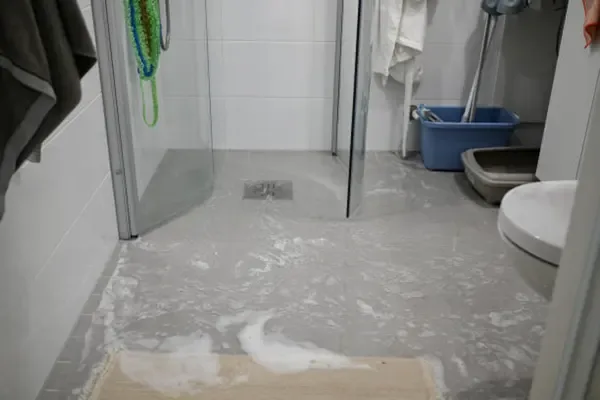
First steps for toilet overflow cleanup in Milton
- Stop further flushing
Keep the toilet out of use and tell other occupants about the problem. Repeated flushing can increase the spill before the blockage is diagnosed.
- Restrict the affected route
Keep people and pets away from wet flooring and nearby carpet. Avoid walking contaminated water across hallways or carrying used cleanup tools into clean rooms.
- Use a safe water shutoff
Close the fixture supply only if the valve is reachable without entering a hazardous area. Leave a damaged or inaccessible valve to the plumber.
- Report nearby drain behavior
Mention gurgling, water rising elsewhere or repeated backup. The plumber needs those observations while the restoration team maps the affected materials.
What does toilet overflow cleanup cost in Milton, MA?
Toilet-overflow restoration often ranges from $800 to $4,500 before plumbing repair. A confined hard-floor spill costs less than contamination reaching carpet, wall cavities or a lower ceiling. Material removal and controlled cleaning shape the scope.
- Contamination assessment
- Controlled extraction
- Surface cleaning
- Porous finish removal
- Adjoining-room checks
- Subfloor drying
- Ceiling or cavity access
- Expanded containment
- Final material records
Cost factors: Water category, wet square footage, material class and the time before drying starts shape the scope. Access beneath cabinets, retained insulation and multiple affected levels increase the work.
Use the water damage cost calculator to compare conditions. These typical ranges are planning estimates, not a quote for the property.
How toilet overflow cleanup proceeds
Assess source and extent
The technician records the overflow conditions, checks adjoining rooms and the level below, and establishes contamination controls before water removal changes the visible evidence. The initial assessment records whether nearby drains also backed up, giving the plumber useful context without delaying the contaminated-area controls.
Remove water and damaged finishes
The crew uses appropriate protective equipment, extracts the overflow and removes contaminated porous material through a defined route that keeps dirty work away from occupied rooms. The contractor documents the affected threshold and adjoining finishes, because water can reach porous materials outside the visibly flooded bathroom tile.
Clean accessible retained surfaces
The mitigation team removes residue from exposed surfaces and applies suitable products at label conditions, including dwell time, before the drying equipment handles retained structural moisture. The crew keeps cleaned tools and disposal materials separated, and records treatment details so the work sequence remains clear to the homeowner.
Measure beneath the finish
The drying specialist checks subfloor and wall-base readings, investigates wet penetrations and documents the final condition before the bathroom finish and plumbing work are closed out. The closing record includes concealed areas inspected below the fixture, helping the repair trade avoid sealing a damp floor or ceiling cavity.
A toilet overflow requires more than clearing the visible water from the tile. The contractor determines whether the release contains waste and follows it into grout joints, wall bases and nearby rooms. A plumber addresses the blockage or fixture failure while the mitigation crew manages the affected building materials.
Bathroom water can travel beneath a closed door. Explain whether waste is present and which adjoining surfaces became wet.
(888) 480-6221Contain water leaving the bathroomKeeping a bathroom overflow contained
In a home near Canton Avenue, an overflow can pass beneath the bathroom door before the supply is stopped. The response team asks whether water reached carpet, a closet or the ceiling below. The work boundary follows that route rather than ending at the bathroom threshold.
- Stop flushing and keep other occupants away from the fixture.
- Close a reachable toilet supply valve only when access is safe.
- Avoid carrying wet towels or footwear into clean rooms.
- Report waste, odor and repeated backup from nearby drains.
Milton Village and Lower Mills provide location details for the visit. At the property, the technician examines floor penetrations, trim and the opposite side of wet walls. An upper bathroom may require inspection below even when the ceiling has not yet stained.
Removing contamination from the room
Waste-bearing overflow is Category 3. The crew uses task-appropriate protective equipment, separates the dirty work area and removes contaminated porous materials that cannot be effectively cleaned. Carpet padding, damaged composite trim and wet insulation need careful assessment rather than a quick fan dry-out.
After extraction and removal, the contractor cleans retained surfaces and applies a suitable EPA-registered product according to label instructions, including the required dwell time. Surface treatment does not replace removing contaminated debris or reaching water trapped beneath finishes.
- Cleaning reaches accessible seams and the base of fixtures.
- Porous materials above the visible pooling may also be wet.
- Equipment and disposal routes protect unaffected living areas.
Drying the bathroom assembly after cleanup
The drying specialist measures the subfloor, wall bases and any lower ceiling affected by the overflow. Tile can hide a wet substrate, while a small opening around a pipe can carry water to another level. The crew keeps access available until retained materials meet the drying goal.
The EPA flooded-home information explains cleanup considerations after contaminated water exposure. The Ready.gov emergency planning material helps households prepare safe actions and contacts. The restoration contractor coordinates with the plumbing repair so a renewed blockage does not undo the cleanup.
24/7 dispatch supports urgent overflow assessment in Milton. Describe whether the toilet continues rising, which drains are affected and how far the water has moved. That helps distinguish a fixture problem from a broader drainage issue needing plumbing investigation.
Toilet Overflow Cleanup and the IICRC S500 standard
Moisture measurements
The technician compares wet materials with an unaffected reference of the same kind. Surface touch alone cannot show whether the full assembly has reached its drying goal.
Equipment adjustment
The drying team records temperature and relative humidity, then adjusts airflow and dehumidification when a cavity or dense material stops improving. Equipment stays until readings support removal.
Written progress
The restoration contractor records the initial condition, removal decisions and final readings. A dated record helps the homeowner understand what remains before repairs close the affected area.
Safe work boundaries
The response team separates wet work from occupied rooms, checks equipment power requirements and keeps exit routes open. Occupants keep children and pets clear of hoses and cords.
Toilet Overflow Cleanup service in Milton
Water damage service covers ZIP 02186, including Brush Hill, Milton Hill, Milton Village and Lower Mills. Describe the building entrance and affected level when arranging access.
Toilet Overflow Cleanup questions in Milton, MA
Does every toilet overflow require the same cleanup?
The contractor evaluates the water source, waste content and surfaces reached. Waste-bearing overflow is Category 3 and needs controlled cleanup. The work changes when water reaches carpet, insulation or a concealed floor assembly rather than remaining on an accessible hard surface.
Should the toilet be flushed to test it again?
Stop using the fixture until the plumber diagnoses the problem. Repeated flushing can add water and contamination to the room. Report changes in nearby drains so the source investigation includes more than the toilet itself.
Can contaminated carpet be dried?
Carpet and padding touched by Category 3 water generally require removal. Drying alone does not remove contamination. The contractor documents affected porous materials and establishes a disposal route that protects clean areas of the home.
Why check beneath tile?
Water can enter joints and openings around fixtures, then remain in the substrate below. The technician uses the water path and moisture measurements to decide where further access is needed. A wiped tile surface does not show the condition beneath it.
Can an overflow affect a downstairs ceiling?
Yes. Openings around plumbing and seams in the floor can carry water downward. The crew checks the lower room when the observed path suggests it, including concealed insulation and framing that may be wet before staining appears.
Who handles the blocked drain?
A plumber evaluates and corrects the drainage or fixture problem. The restoration contractor addresses the escaped water, contaminated materials and drying. The household reviews both scopes so source correction and cleanup proceed together.
Related water damage services



Keep contaminated bathroom water contained
The mitigation team cleans accessible surfaces and measures the retained floor assembly before repairs close it.