Slab Leak Water Damage in Milton, MA
A damp concrete floor needs a traced source before demolition. Milton restoration pros map water beneath finishes, coordinate access around plumbing repair and dry the retained floor and wall materials.
(888) 480-6221Trace water beneath the floor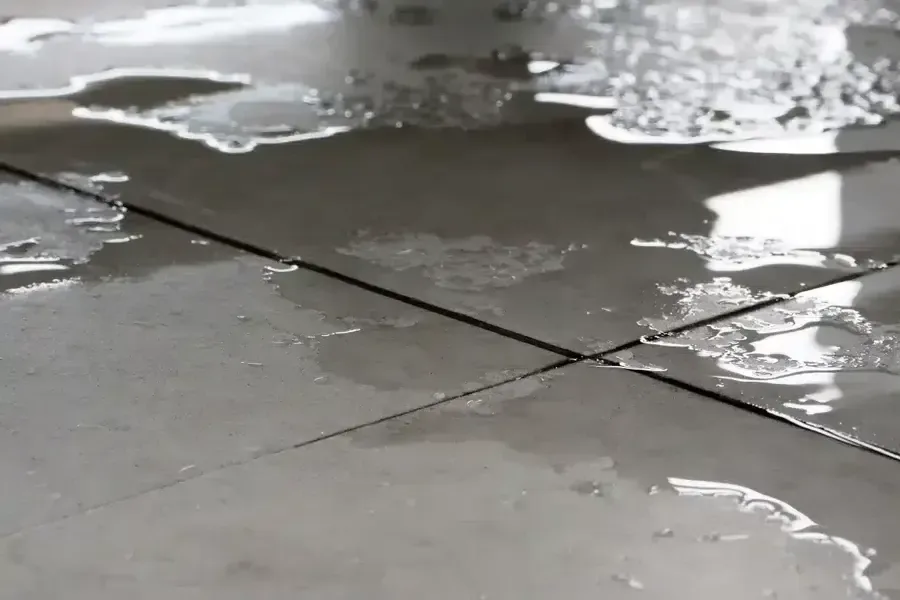
First steps for slab leak water damage in Milton
- Keep the wet boundary visible
Move small belongings from the damp area if the floor is safe. Leave lifted finishes in place until the contractor records their condition.
- Check safe isolation
An accessible supply valve can stop a suspected plumbing release. Do not enter an energized or flooded space to reach a shutoff.
- Avoid exploratory cutting
Hidden pipes and wiring require identification before the floor opens. The plumber and restoration contractor coordinate the smallest useful access area.
- Record the timing
Note when moisture appeared and whether rainfall or water use changed it. Photographs of the floor edge help show progression before drying begins.
What does slab leak water damage cost in Milton, MA?
Slab-leak water damage cleanup often falls between $1,500 and $6,000 before plumbing repair or major floor replacement. A small accessible area costs less than water trapped beneath several rooms or cabinets. Concrete drying and finish removal shape the scope.
- Moisture mapping
- Limited finish access
- Focused dehumidification
- Underlayment removal
- Wall-base drying
- Repeated material readings
- Multiple-room access
- Longer concrete drying
- Detailed repair handoff
Cost factors: Water category, wet square footage, material class and the time before drying starts shape the scope. Access beneath cabinets, retained insulation and multiple affected levels increase the work.
Use the water damage cost calculator to compare conditions. These typical ranges are planning estimates, not a quote for the property.
How slab leak water damage proceeds
Locate and document
The technician maps damp concrete and adjoining finishes, records an unaffected comparison area and passes source observations to the plumber for appropriate testing. The floor sketch identifies wet transitions and wall connections, giving both trades a shared record of where the moisture appears.
Protect and gain access
The restoration crew separates the work area from occupied rooms and removes damaged finishes only where needed for source repair, extraction or drying access. Photographs preserve the original floor condition and the location of openings, helping the homeowner understand the later replacement or repair work.
Dry the retained layers
The drying specialist controls room humidity and airflow, checks wall bases independently and revisits concealed edges where moisture can remain after the central floor improves. Measurements continue at the edges and beneath accessible coverings, where a dry center can otherwise hide a slower section of substrate.
Confirm the repair handoff
The contractor documents final measurements and outstanding floor-system requirements, so the installer can evaluate the substrate before adhesive, underlayment or replacement flooring covers it. The handoff separates a repaired water source from a floor ready for its new finish, with the remaining requirements stated clearly.
Water appearing at a concrete floor does not identify the failed component by itself. The contractor compares the wet pattern with plumbing routes, recent water use and signs of entry at the building edge. The drying plan follows that investigation, protecting finishes that can remain and opening only the areas that need access.
A spreading damp patch can involve several floor layers. Explain where it appeared and whether the source has been isolated.
(888) 480-6221Trace water beneath the floorTracing a damp floor before opening it
In Milton Village, the first visible sign may be a darkened floor edge rather than standing water. The restoration technician checks adjacent rooms and the base of the wall. A plumber tests the supply system when a pressurized leak is suspected, while the crew documents moisture beneath accessible floor coverings.
- Note whether dampness changes after the water supply is isolated.
- Photograph staining, lifted flooring and wet wall trim.
- Keep the floor clear of furniture where inspection is safe.
- Avoid drilling or cutting before hidden utilities are located.
Lower Mills and Canton Avenue provide location context when describing a property. The floor itself determines the work: concrete, adhesive, underlayment and the finish can retain moisture at different rates. The contractor checks each layer rather than assuming one surface reading represents the whole assembly.
Drying around the plumbing repair
The plumber's repair stops the source, but water already beneath flooring may continue moving toward wall bases. The restoration team extracts accessible water and opens damaged finish layers where they prevent drying. A dehumidifier controls the room air while the technician tracks the slab and the materials touching it.
Concrete can release moisture slowly. Covering it too soon risks trapping that moisture below the replacement flooring. The installer and drying contractor agree on the testing method and acceptable condition for the new product before closing the floor. The final requirement depends on the floor system rather than a universal number.
- Retained wall framing receives separate moisture checks.
- Damaged adhesive or composite flooring may need removal.
- Drying logs distinguish source repair from moisture reduction.
Separating indoor leaks from outdoor water
The Neponset River and Blue Hills are part of the local setting, while the water path at the property identifies the immediate problem. Moisture at a joint after heavy rain needs a different source investigation from a supply pipe that loses pressure. The restoration technician records the timing and entry points before choosing a cleanup category.
The EPA advice for flooded homes discusses cleaning after water exposure. The Ready.gov flood page covers safe response when outdoor water threatens a building. The contractor uses the observed source and affected materials to plan this floor's work.
24/7 dispatch helps arrange an assessment when water continues spreading. The homeowner should report a warm patch, unusual water use or recurring dampness as observations, leaving the source diagnosis to the appropriate inspection.
Slab Leak Water Damage and the IICRC S500 standard
Moisture measurements
The technician compares wet materials with an unaffected reference of the same kind. Surface touch alone cannot show whether the full assembly has reached its drying goal.
Equipment adjustment
The drying team records temperature and relative humidity, then adjusts airflow and dehumidification when a cavity or dense material stops improving. Equipment stays until readings support removal.
Written progress
The restoration contractor records the initial condition, removal decisions and final readings. A dated record helps the homeowner understand what remains before repairs close the affected area.
Safe work boundaries
The response team separates wet work from occupied rooms, checks equipment power requirements and keeps exit routes open. Occupants keep children and pets clear of hoses and cords.
Slab Leak Water Damage service in Milton
Water damage service covers ZIP 02186, including Brush Hill, Milton Hill, Milton Village and Lower Mills. Describe the building entrance and affected level when arranging access.
Slab Leak Water Damage questions in Milton, MA
Does damp concrete always mean a broken pipe?
No. The source investigation compares plumbing behavior, rain timing and the wet pattern at joints or walls. The contractor should identify the water route before cutting the slab or assigning the loss to a particular source.
Who repairs the pipe beneath a slab?
A plumber diagnoses and repairs the plumbing component. The restoration team handles water extraction, affected material removal and drying. The two scopes need coordination so repair access does not conceal wet finishes or leave surrounding wall bases unchecked.
Can flooring stay in place while concrete dries?
The answer depends on the finish, adhesive, contamination and moisture beneath it. Some assemblies permit controlled drying; others trap water or lose their bond. The contractor explains the access needed and documents the condition before removal.
When can new flooring be installed?
The substrate must meet the replacement product's requirements. The drying record and the installer's specified tests support that decision. A fixed day count or dry-looking surface cannot substitute for checking moisture beneath the intended floor system.
What does insurance documentation include?
The record should separate source diagnosis, plumbing repair, damaged finishes and drying work. Photos before demolition, initial and final readings, equipment records and a clear timeline help the insurer evaluate the reported event under the policy.
What should be reported during a 24/7 call?
Describe the damp area, nearby fixtures, any warm patch and whether water use or rain changes the condition. Explain safe access and any lifting floor edges. The response team uses those observations to plan an assessment.
Related water damage services



Water beneath flooring needs a measured plan
The restoration team traces affected materials and records drying progress around the source repair.