Water Damage Restoration in Quincy
A wet room needs a clear starting point. Water damage restoration in Quincy begins with the source, safe entry and a careful look at where moisture traveled behind finished surfaces.
(888) 480-6221Talk through the water damage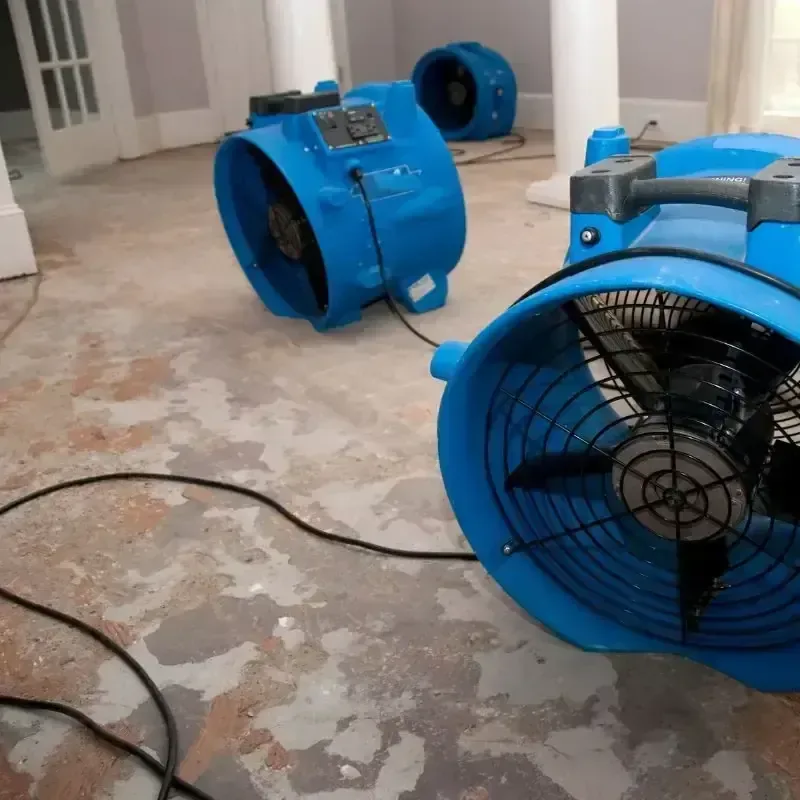 Describe the affected rooms and any active leak before anyone enters standing water or moves wet belongings.
A safer response starts outside the wet area
- Check entry conditions Standing water near electrical equipment or a sagging ceiling calls for professional assessment before anyone crosses the affected room.
- Stop an accessible source An accessible shutoff can limit a plumbing spill when reaching it does not require stepping into water or touching wet equipment.
- Keep traffic away Children, pets and visitors should remain outside the damaged area, especially when outdoor water or drain contents have entered.
- Record the visible changes Photographs taken from dry ground can capture water depth, damaged contents and the room boundaries before materials are moved.
- Describe what changed The useful starting details are the suspected source, affected levels and whether water is still entering the building right now.
Cleanup matched to the source of water
A leaking tank, an overhead drip and outdoor floodwater create different cleanup needs. Select the problem that best matches the affected room.

Water Extraction
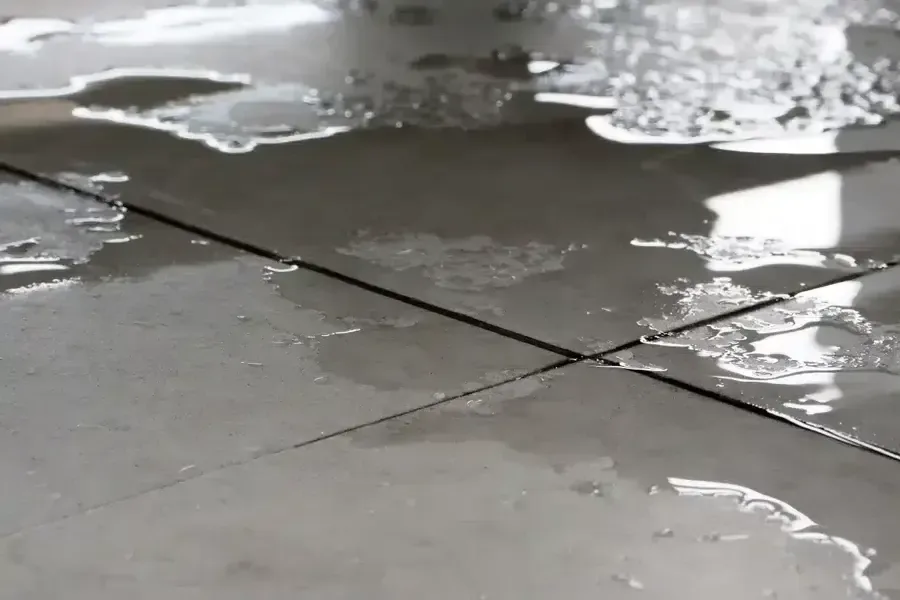
Remove pooled water from accessible rooms, then check absorbent finishes that remain wet after the visible puddles disappear.
Slab Leak Water Damage
Trace recurring moisture at concrete floors and arrange access around the plumbing repair before enclosing the wet floor assembly.
Burst Pipe Water Damage
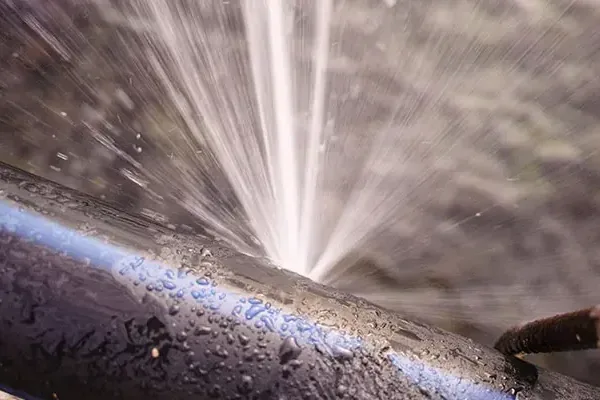
Contain water from a broken supply pipe and follow its spread through adjoining walls, doorways and rooms below.

Ceiling Leak Water Damage
Assess sagging or stained ceilings from a safe position while locating the upper source and wet concealed insulation.
Roof Leak Water Damage
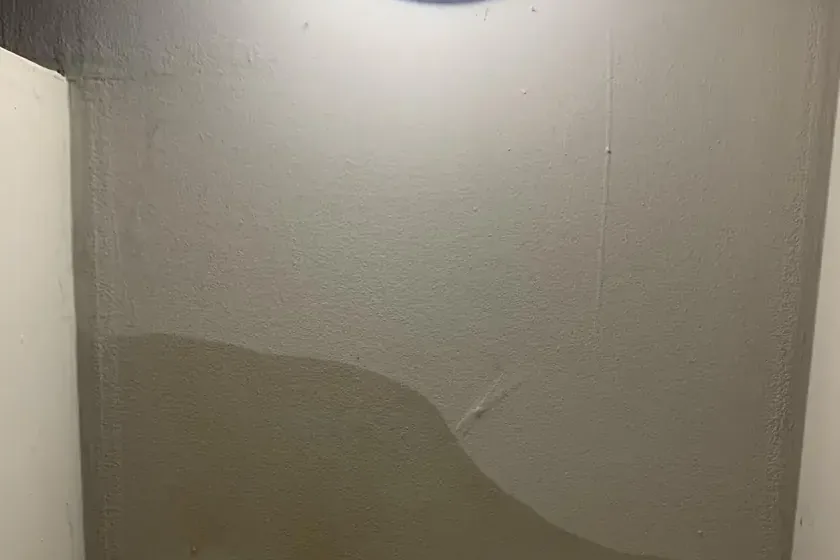
Separate roof repair from interior recovery, with attention to attic surfaces, ceiling edges and the wall beneath a drip.

Storm Flood Cleanup
Address water entering from outdoors with controlled access, debris removal and cleaning suited to the materials touched by flooding.
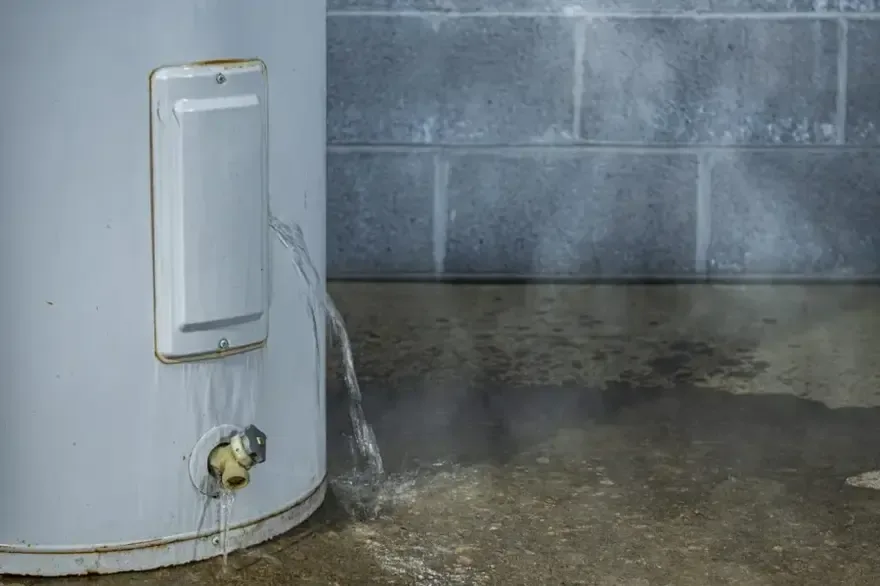
Water Heater Leak Cleanup
Evaluate the tank spill beyond its visible edge, including nearby trim, stored contents and the base of adjoining walls.
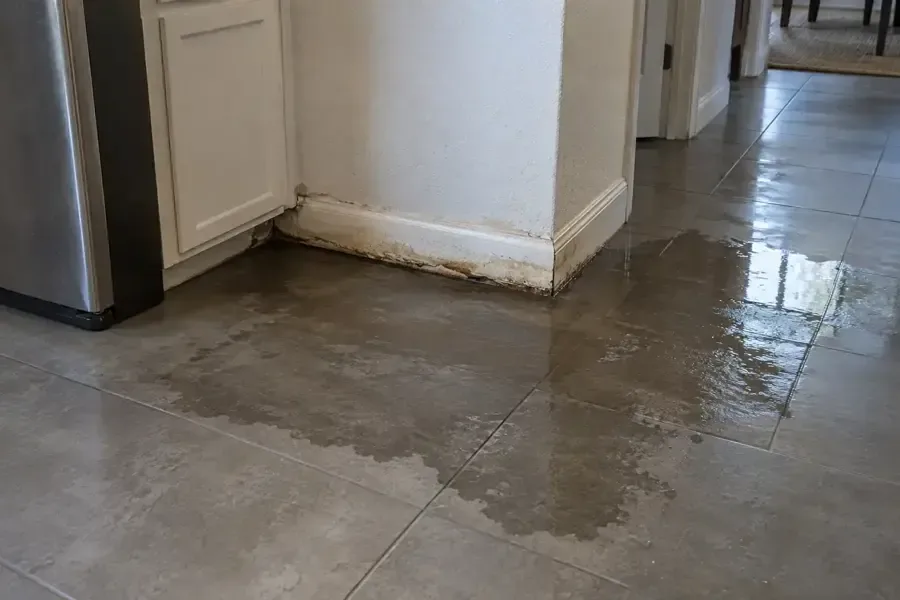
Appliance Leak Water Damage
Check beneath laundry and kitchen equipment, where a small visible escape can leave water trapped under cabinets and flooring.
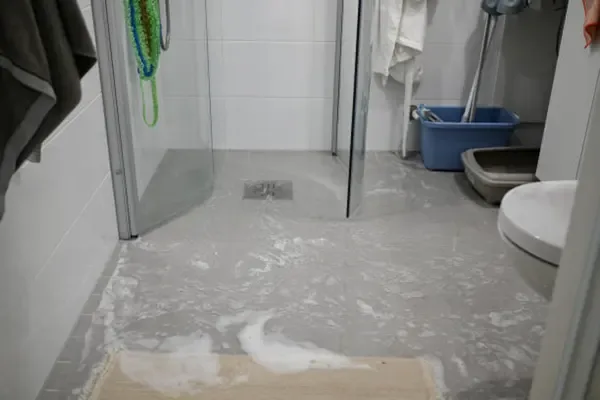
Toilet Overflow Cleanup
Restrict bathroom traffic, stop repeated flushing and identify every surface reached by overflow before cleaning or drying begins.

Sewage Backup Cleanup
Separate contaminated rooms from occupied spaces and remove unsalvageable absorbent materials before cleaning the surfaces that can remain.

Hardwood Floor Water Damage
Measure damp boards and the supporting floor together, allowing drying progress to inform repair decisions about cupping or movement.

Structural Drying
Track moisture inside retained building materials with measured equipment adjustments, keeping repairs separate from the active drying phase.
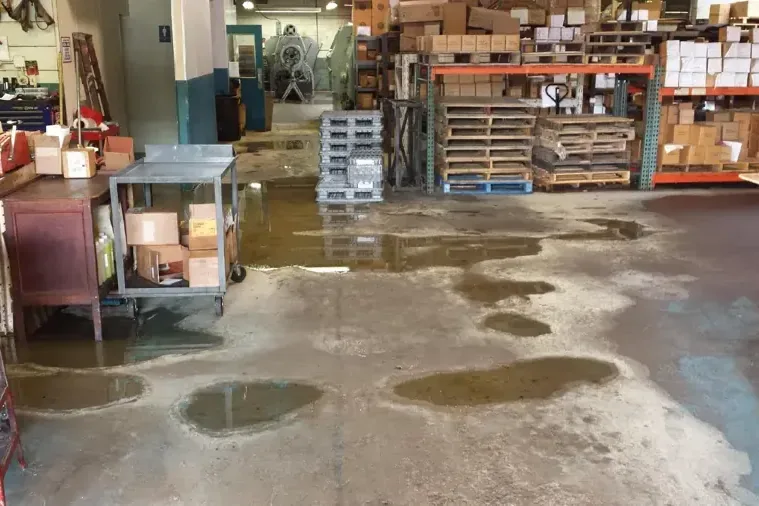
Commercial Water Damage
Plan recovery around business access, affected stock and occupied areas while documenting water movement between workrooms and shared spaces.
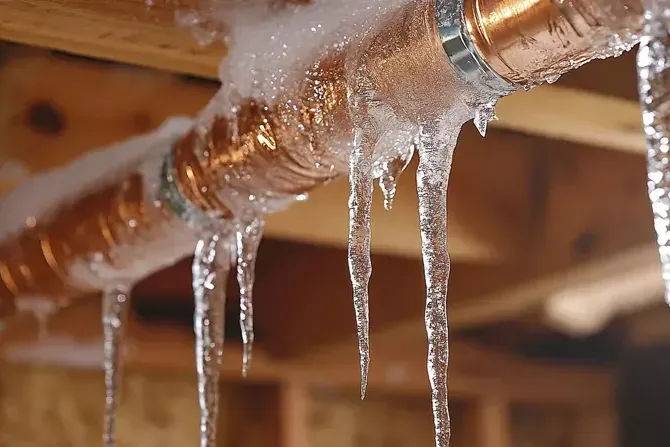
Frozen Pipe Water Damage
Prepare for water released during thawing, then inspect concealed routes after the damaged section has been isolated and repaired.

Basement Water Removal
Evaluate lower-room access and water conditions before pumping, followed by attention to floor edges, wall bases and wet storage.
From the water source to dry materials
Cleanup works best when each decision answers a physical question: where water entered, what absorbed it and whether the remaining assembly can dry. Surface appearance alone cannot settle those questions.
- 01
Locate the spread
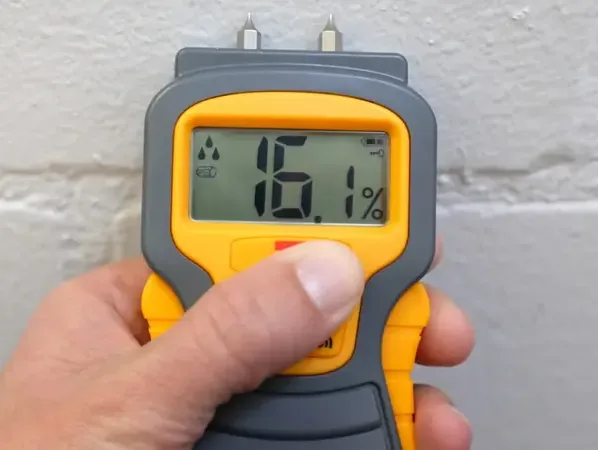
Inspection follows wet edges through connected materials, comparing suspect surfaces with suitable dry references before removal or equipment placement is decided.
- 02
Remove what obstructs recovery
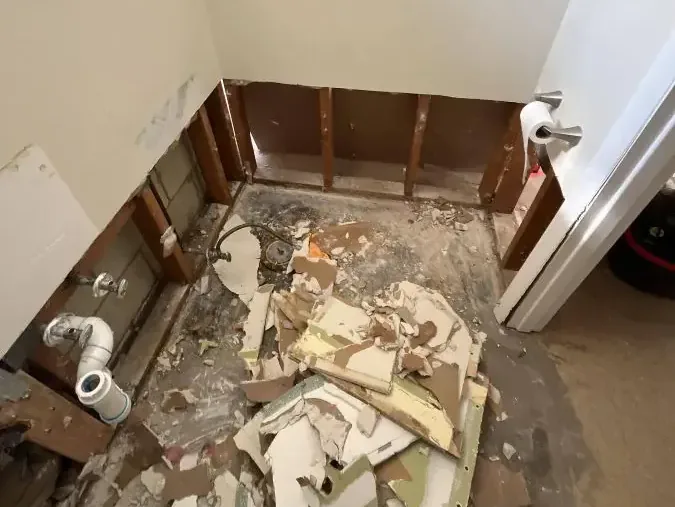
Pooled water and unsalvageable finishes are addressed so remaining framing, floors and cavities can be reached for cleaning and controlled drying.
- 03
Adjust the drying zone
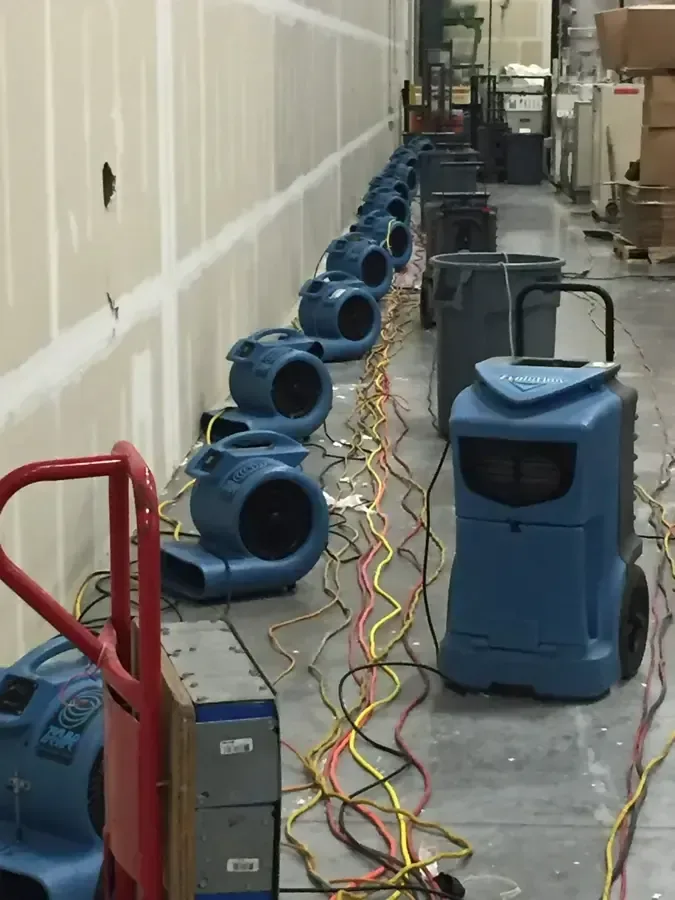
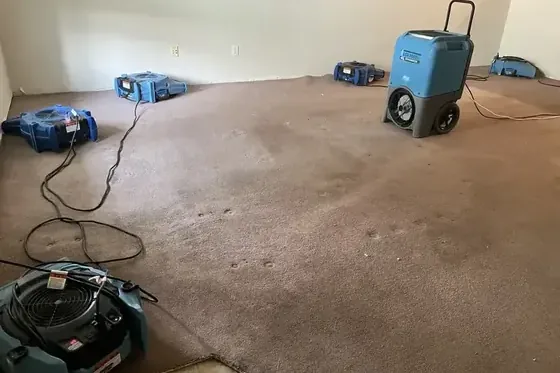
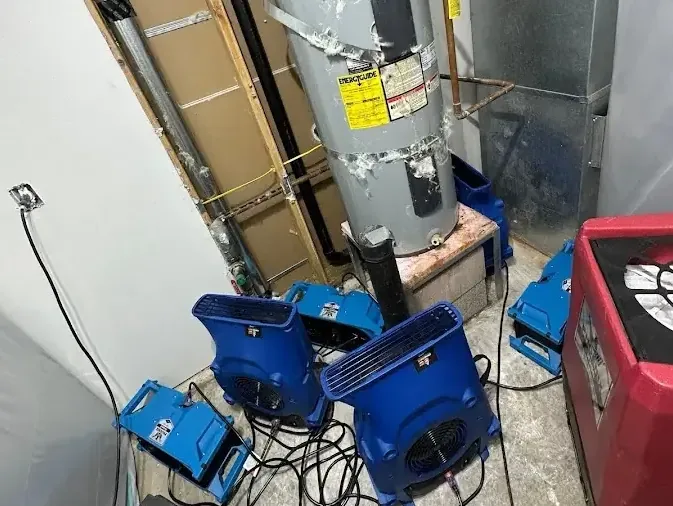
Drying equipment placement responds to the room layout, moisture readings and the materials retained, with occupied areas separated when the work requires it.
- 04
Explain the repair handoff
A final record identifies measured conditions and remaining repair needs so replacement finishes are planned around the actual condition of the assembly.
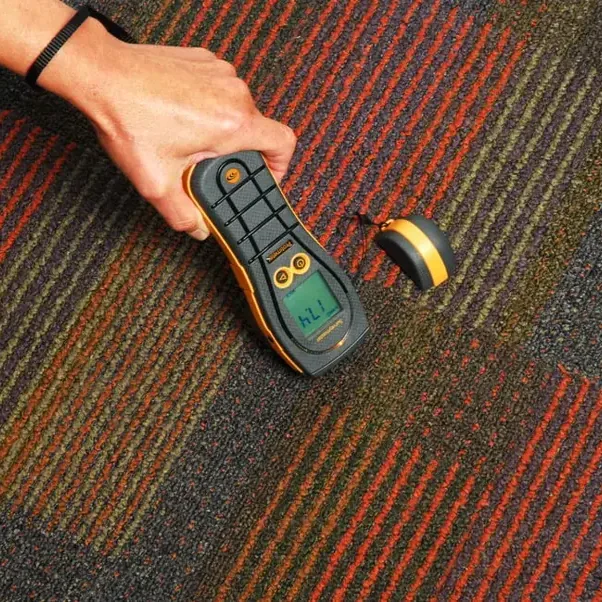
Understand what each cleanup step accomplishes
A restoration scope should describe the affected materials and the reason for each action. Clear documentation helps a property owner distinguish necessary drying work from the separate repairs that follow.
Visible boundaries
A room sketch and photographs show where the water reached, making it easier to explain changes as hidden wet areas become accessible.
Material specific choices
Carpet padding, drywall and solid flooring respond differently to water. A useful plan explains what remains, what opens and what needs replacement.
Source coordination
The plumbing or roof defect needs attention alongside cleanup. Stopping new water protects the drying work already underway inside the affected rooms.
A practical finish
Closing a cavity depends on its condition, not a calendar guess. Recorded readings support the transition from active drying to finish repairs.
Different water needs different handling
Supply water escape
A broken supply pipe can saturate adjoining finishes quickly. The first priorities are isolation and tracing the full wet boundary.
Follow the pipe spillUsed appliance water
Water leaving a dishwasher or washing machine may carry residues. Its source and contact history help determine the cleaning approach.
Check beneath the applianceDrain contamination
Sewage requires controlled handling, with attention to affected porous materials and the route workers use between contaminated and clean rooms.
Separate the contaminated spaceWhat influences restoration costs in Quincy?
Water damage restoration in Quincy may range from $1,000 to $15,000+ across the example scopes below. The affected area, contamination, access beneath finishes and amount of retained moisture determine which tasks belong in a property specific estimate.
- Accessible wet surfaces
- Small drying zone
- Simple contents handling
- Several wet assemblies
- Concealed moisture access
- Expanded equipment needs
- Multiple affected spaces
- Complex material removal
- Contamination handling needs
These examples describe cleanup scope rather than a fixed quote. The written estimate should distinguish extraction, material removal, cleaning and drying from plumbing work, roof repair and replacement finishes.
Document damage while access is safe
An insurer may ask how the water started, which materials were affected and what was done to limit further damage. A dated record makes those details easier to explain later.
When paying directly
A property owner arranging payment directly can request a scope organized by work stage, including any access work needed before the full moisture boundary can be measured.
The estimate should also explain how new findings will be recorded. That keeps a concealed wet wall or damaged floor layer from becoming an unexplained change in the work.
- Photographs showing the initial water boundary and room
- A written description of the suspected water source
- Receipts for emergency work and protected belongings
- Images of affected finishes before their removal
- Drying records and the final itemized cleanup scope
A closer look at wet rooms and drying
Restoration across residential and business areas
Neighborhoods and connecting streets
ZIP areas
Other nearby communities
Explain building access before the visit
Marina Bay includes high-rise condominiums, while Houghs Neck is a peninsular community. Building access, affected floor and entry conditions are useful details when describing a loss.
For premises along Hancock Street or in Crown Colony, include any occupied rooms, secured doors or shared spaces that could affect the route to the water.
Plan before arranging cleanup
Compare wet area, drying conditions and safe access.
Nearby service areas
Water damage articles
Read about water entry, material drying and claim records.
Read the water damage articlesCoastal conditions and indoor leaks need separate attention
Quincy Bay, the Neponset River and the Fore River form distinct parts of the city's water setting. Indoors, tracing the actual entry route determines the cleanup plan for each building.
March 1, 2018: A city storm warning identified possible isolation of Squantum and Houghs Neck and described Furnace Brook as a potential flood concern.
- Coastal access Squantum is a residential peninsula. During coastal disruption, safe access and any official restrictions take priority over entering a wet building for possessions.
- Stream conditions The city warning connected potential Furnace Brook flooding with rain and coastal water. An affected lower room needs its own source and safety assessment.
- Shared buildings Marina Bay includes high-rise condominiums. A leak above a ceiling can require coordination between occupied units before all affected surfaces become accessible.
- Busy premises North Quincy combines homes and commercial uses along Hancock Street and Quincy Shore Drive. Cleanup boundaries should keep occupants clear of active work.
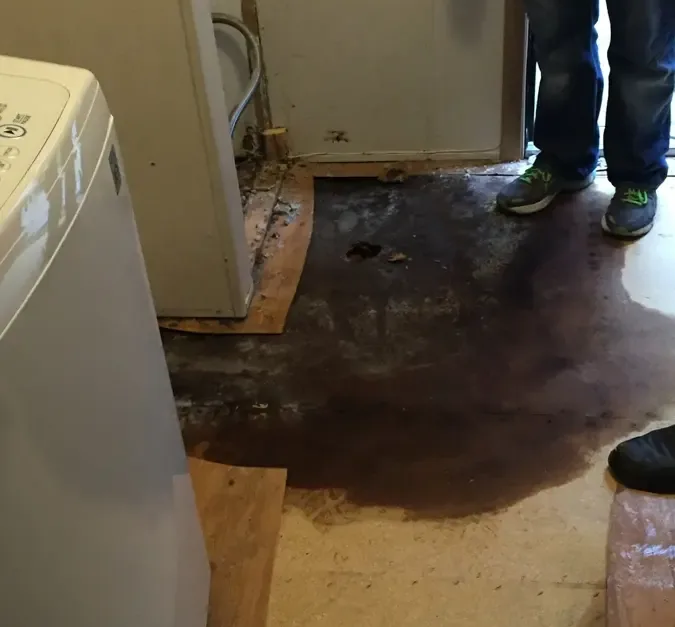
- Hidden floor moisture Merrymount is primarily residential. A household plumbing escape can leave damp floor layers after visible water has been removed from the living space.
Questions about recovering a wet property
What should happen before moving wet furniture?
The room must be safe to enter, with electrical and overhead hazards assessed. Furniture standing in contaminated water needs controlled handling. Photographs can be taken from a dry area before anything moves, preserving a record of the original damage.
Does a dry floor mean cleanup is finished?
A surface may feel dry while moisture remains underneath flooring, behind trim or inside insulation. Measurements and inspection of the affected assembly establish whether drying can end. Replacing finishes too early can conceal damp materials that still need attention.
Can work begin before an insurance decision?
Emergency measures and claim decisions are separate matters. A property owner can document the loss and discuss necessary mitigation while contacting the insurer. Coverage depends on the policy and circumstances, so receipts, photographs and a clear scope are useful.
How is outdoor flooding handled differently?
Outdoor water can carry soil and contaminants into the building. The work may involve restricted access, removal of affected porous finishes and cleaning before drying. The entry route and materials contacted determine the scope, even when the puddle looks shallow.
What information helps with a condominium leak?
The affected unit, wet ceiling location and any visible leak above are useful starting details. Building management may need to coordinate access to shared spaces or another unit. Photographs from each accessible level help connect the visible signs of damage.
Will every wet wall need to come out?
Removal depends on the material, contamination and whether the assembly can be cleaned and dried in place. A small opening may provide access in some situations. In others, damaged absorbent layers need removal before retained framing can be treated properly.
Who repairs the source of the water?
Plumbing, appliance and roof repairs are distinct from interior cleanup. The relevant repair professional addresses the defect while restoration work manages the resulting wet materials. The written plan should state those responsibilities so active leakage does not undermine drying.
Why can drying equipment remain after extraction?
Extraction removes liquid water that equipment can reach. Moisture absorbed into wood, wall materials and flooring takes additional controlled drying. Air movement and dehumidification are adjusted using readings from those materials, rather than stopping when the visible puddles have disappeared.
Can an unaffected part of a property stay occupied?
That depends on access, utilities, contamination and the work area boundaries. A separate dry room may remain usable when a safe route exists. Sewage, unstable ceilings or electrical hazards can require broader restrictions until the relevant conditions have been resolved.
Turn the visible damage into a clear plan
Describe the source and affected rooms to establish the next practical step for safe cleanup and measured drying.