Sewage Backup Cleanup in Quincy
Sewage inside a room requires a controlled working area before ordinary cleanup begins. Quincy backup recovery addresses contaminated water, contacted materials and the route between the affected space and occupied rooms.
(888) 480-6221Describe the sewage affected rooms
First steps for sewage backup cleanup in Quincy
- Exclude routine traffic
The affected space should remain outside household or business circulation. People should avoid walking through sewage to collect possessions or reach another occupied room.
- Limit fixture use
Fixtures connected to the affected drainage should remain unused pending plumbing advice, preventing additional discharge while the source and backup extent are investigated.
- Identify the full contact area
The report should include rooms, contents and passageways reached by sewage, including places where water has receded but residues or tracked contamination remain.
- Keep disposal decisions documented
Photographs and an inventory of affected porous belongings or finishes help explain removal needs before contaminated materials leave the property through the planned route.
What does sewage backup cleanup cost in Quincy, MA?
Sewage cleanup in Quincy has example scopes from $2,000 to $8,000+. Contaminated porous finishes, contents and difficult access can expand the work. The estimate should itemize removal, cleaning and drying separately from drain repair and reconstruction.
- Defined contact boundary
- Accessible retained surfaces
- Controlled liquid removal
- Contaminated layer removal
- Additional disposal needs
- Hidden surface cleaning
- Several connected rooms
- Complex access controls
- Broader drying scope
Cost factors: Water category, wet square footage, material class and the time before drying starts shape the scope. Access beneath cabinets, retained insulation and multiple affected levels increase the work.
Use the water damage cost calculator to compare conditions. These typical ranges are planning estimates, not a quote for the property.
How sewage backup cleanup proceeds
Establish a contamination boundary
The initial assessment identifies the drain source, rooms contacted and any secondary spread through foot traffic or moved contents. Occupied clean areas are separated from the work. Access for equipment and waste handling is planned before removal begins so the cleanup route supports that separation.
Remove affected liquid and porous layers
Sewage removal is coordinated with the condition of the drain and the room. Materials that cannot be appropriately cleaned are identified for controlled disposal. The work exposes retained surfaces and hidden edges, with documentation showing why each affected layer or item required removal from the assembly.
Clean the accessible retained surfaces
The cleaning stage addresses the materials that remain after damaged layers are removed. Recesses beneath fixtures and along floor edges receive attention as access improves. Handling methods reflect sewage contamination, and ordinary occupants remain outside the working area while contaminated residues are being removed and treated.
Dry and document the repair handoff
Only after the necessary contamination work does drying address absorbed moisture in retained building materials. Measurements help establish progress and readiness for repairs. The final record separates drain correction, disposal, cleaning and drying, making remaining reconstruction needs clear before the room returns to regular household or business use.
A drain backup can leave contamination on surfaces that no longer look wet by the time help is arranged. The assessment follows the original contact area, not just the liquid still present. Occupants should remain outside that area while the drain condition and the required handling of affected materials are established.
Report the backed up fixture, contacted rooms and occupied spaces sharing an entrance with the contaminated area before planning cleanup access.
(888) 480-6221Describe the sewage affected roomsSeparate people from the cleanup route
Germantown contains densely populated residential areas. In an occupied building, the route used to remove contaminated material matters as much as the room boundary. Equipment, footwear and debris should not carry residues through spaces that remain in use, and shared entrances may need a coordinated access plan during cleanup.
- Keep pets and children away from backed up fixtures and water.
- Stop using fixtures that may feed the affected drain system.
- Leave contaminated belongings separate from clean household storage.
- Describe every room showing overflow or tracked residue during the event.
Make the material decisions explicit
Quincy Point includes commercial areas along Southern Artery. For a business room there, contaminated stock and porous finishes can create different removal needs from the hard floor underneath. The inventory should distinguish contents from building materials so the reason for disposal or further cleaning remains clear in the record.
Absorbent layers may retain contaminants below their visible surface. Carpet padding, wallboard edges and similar materials require close assessment rather than a plan based only on odor or appearance. Retained hard surfaces must be accessible for appropriate cleaning, including recesses revealed when damaged finishes are removed from the room.
- Record the contact boundary before affected finishes leave the room.
- Inspect hidden edges where drain water collected beneath fixed objects.
- Keep removed contaminated materials within a controlled handling route.
Drain repair and room recovery are separate
A plumbing professional investigates and corrects the drain problem. Restoration work addresses the contamination already released inside. Both responsibilities need a clear sequence: a cleaned room should not receive another backup because normal fixture use resumed before the drainage issue was resolved and the affected system was assessed.
After removal and cleaning, structural moisture control addresses retained wet materials. Drying cannot replace the contamination work that precedes it. The handoff should document the affected area, discarded layers, cleaned surfaces and remaining repair needs, giving the property owner a practical basis for restoring ordinary use.
Sewage Backup Cleanup and the IICRC S500 standard
Moisture measurements
The technician compares wet materials with an unaffected reference of the same kind. Surface touch alone cannot show whether the full assembly has reached its drying goal.
Equipment adjustment
The drying team records temperature and relative humidity, then adjusts airflow and dehumidification when a cavity or dense material stops improving. Equipment stays until readings support removal.
Written progress
The restoration contractor records the initial condition, removal decisions and final readings. A dated record helps the homeowner understand what remains before repairs close the affected area.
Safe work boundaries
The response team separates wet work from occupied rooms, checks equipment power requirements and keeps exit routes open. Occupants keep children and pets clear of hoses and cords.
sewage backup cleanup service in Quincy
Sewage assessments include Germantown and occupied properties around Quincy Point and Southern Artery, with controlled access planned for the contaminated room and connected spaces.
The same service nearby: sewage backup cleanup in Milton, Braintree, Randolph.
Sewage Backup Cleanup questions in Quincy, MA
Is sewage still a concern after the water recedes?
Contamination can remain on contacted surfaces after the visible liquid disappears. The assessment follows the original spread and any tracked residues. Cleaning and material decisions therefore extend beyond the puddles that are still present when the room is inspected.
Can ordinary fans solve a sewage affected room?
Drying does not remove contamination from affected finishes or contents. Uncontrolled airflow can also distribute residues. The room needs appropriate removal and cleaning first, followed by a drying plan for retained building materials that remain wet after that work.
Why might porous flooring require removal?
Contaminants can penetrate absorbent layers where surface cleaning cannot reach effectively. Material type and contact conditions determine the decision. The written scope should explain why a layer is removed and how the exposed substrate will be cleaned and assessed afterward.
Should connected plumbing fixtures stay unused?
A plumbing professional should advise on the affected drainage and source correction. Continued use can add discharge to the backup area. Coordinating fixture use with the drain repair helps protect the room while contamination cleanup is underway inside the property.
How are affected belongings recorded?
A documented inventory and safe photographs can identify the items contacted before disposal or separate treatment. Contents decisions should remain distinct from building material removal. That record helps explain what happened to belongings and why particular handling was required.
What marks the transition to rebuilding?
The drain issue, contaminated surfaces and retained moisture need to be addressed. The handoff records completed removal and cleaning along with drying conditions. Replacement finishes can then be planned around the remaining assembly and any unresolved repair needs.
Related water damage services in Quincy
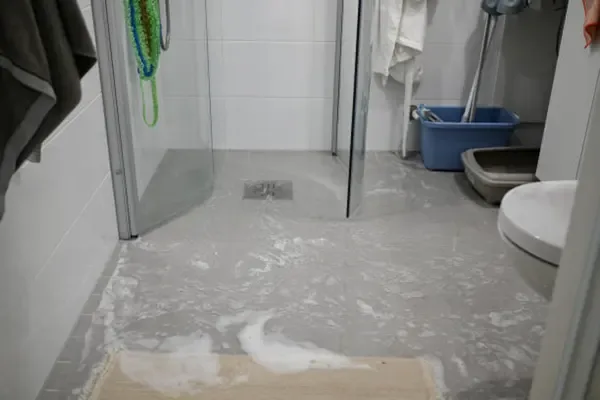

Separate contamination removal from rebuilding
A clear work record links disposed materials, cleaned surfaces and remaining moisture to the repair decisions needed for normal room use.