Water Damage Restoration in Randolph
A wet room needs a clear next step. Restoration begins by locating incoming water, checking safe access and separating surfaces that can dry from damaged materials that need removal.
(888) 480-6221Discuss the damage before cleanup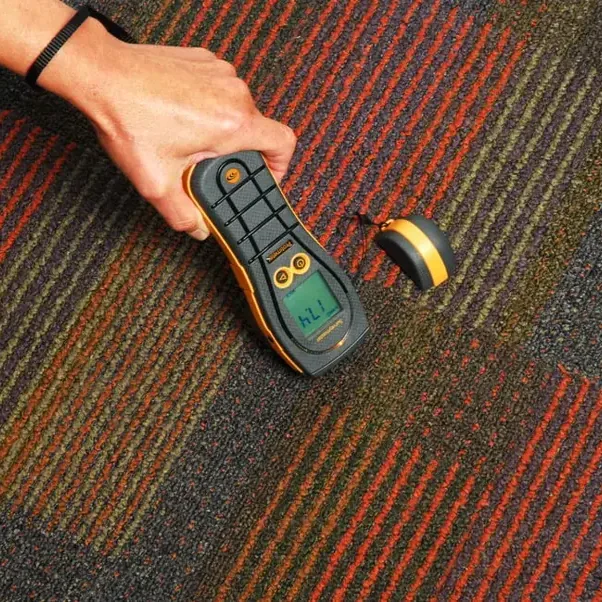 Describe the first wet area, any spreading water and whether the source has stopped.
Make the first decisions from a dry location
- Keep a safe boundary People and pets should stay outside rooms with rising water, sagging ceilings or uncertain electrical conditions until access is assessed.
- Stop an accessible source A known shutoff can limit a supply leak when it can be reached without crossing water or approaching damaged equipment.
- Record the early signs Photographs from dry areas should show where water appeared, affected belongings and any visible source before cleanup changes the scene.
- Protect an exit route Leave a clear path for occupants and responders; heavy furniture should remain in place when moving it would cross wet flooring.
- Describe the actual problem A useful damage report identifies the wet level, source status, sewage involvement and any restriction on reaching the affected room.
Help for the problem inside the property
The visible puddle is only part of the job. Each service addresses a different source, material assembly or contamination concern inside the building.

Water Extraction
Standing water gets removed with equipment suited to its depth, cleanliness and the floor beneath it before drying begins.
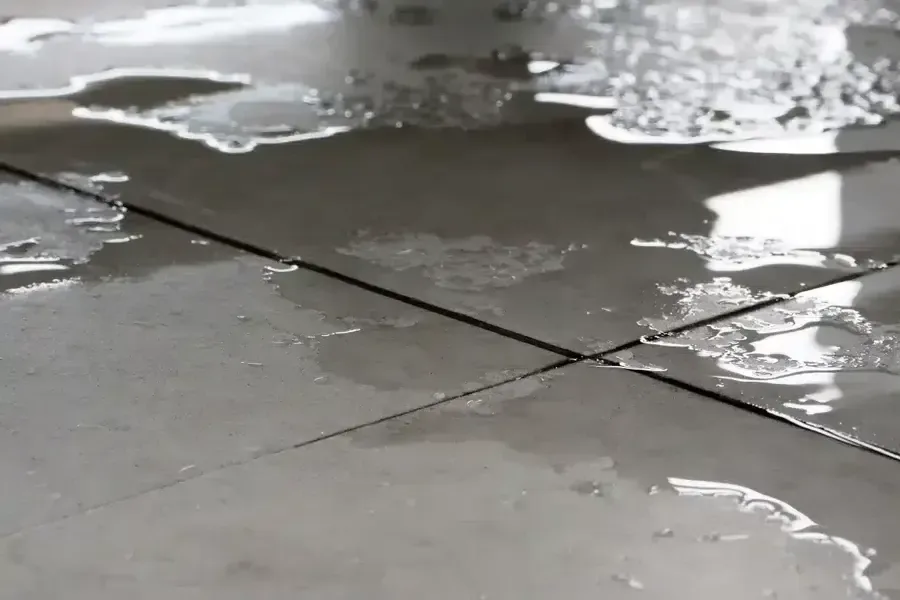
Slab Leak Water Damage
Persistent dampness beside a concrete floor calls for source testing and inspection of the finishes resting on that surface.
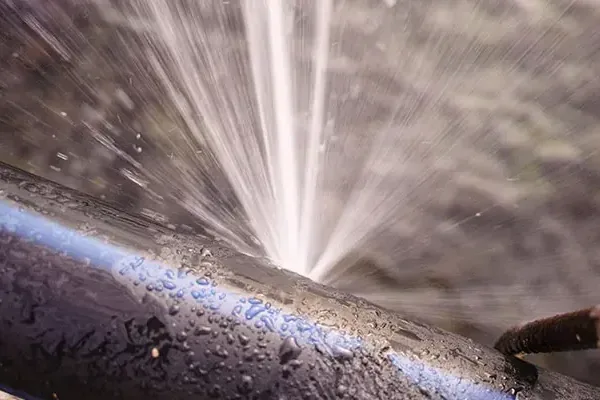
Burst Pipe Water Damage
After a supply pipe breaks, wet walls and connected rooms need attention alongside the plumbing repair that stops the release.

Ceiling Leak Water Damage
Overhead staining or sagging requires safe inspection above the ceiling, where water can travel before appearing in the room.
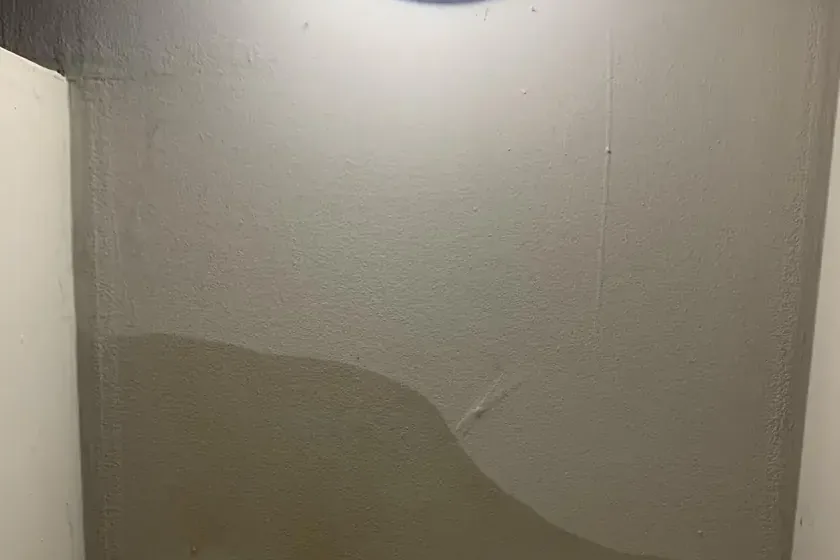
Roof Leak Water Damage
Rain entry can soak attic insulation and ceiling edges; cleanup follows the wet path while roof repairs address the opening.

Storm Flood Cleanup
Outdoor water brings debris indoors, making contamination assessment and removal decisions central to restoring the affected rooms after a storm.
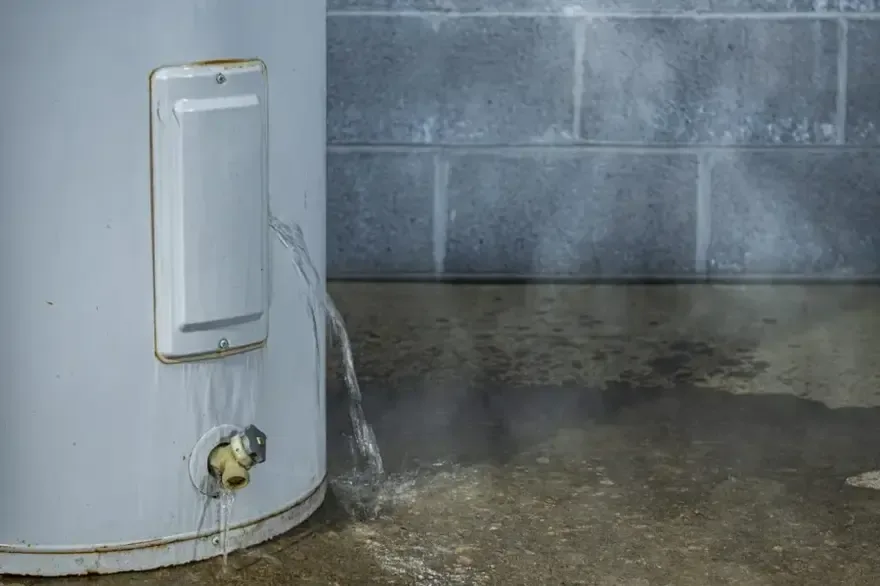
Water Heater Leak Cleanup
A tank leak may spread beneath nearby finishes even when the largest puddle stays close to the heater itself.
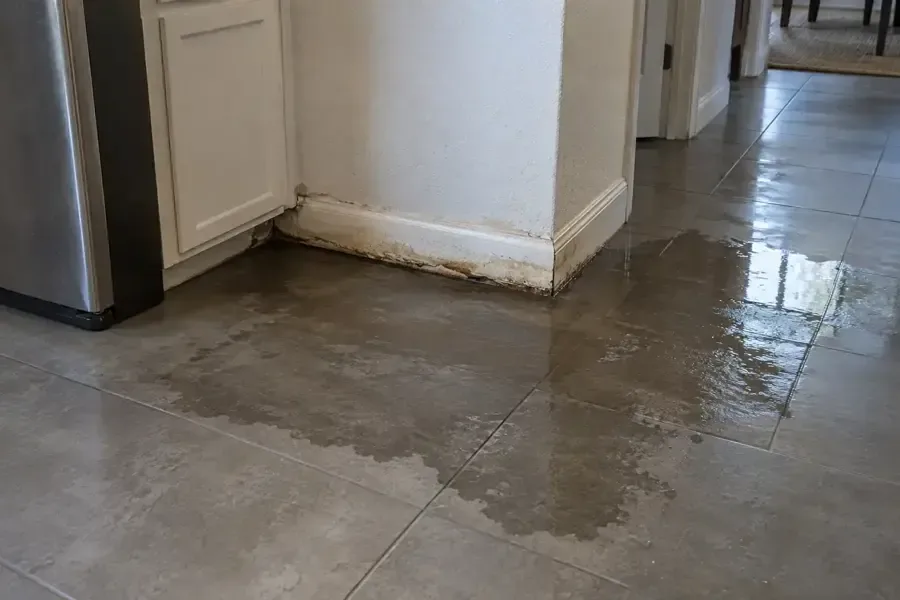
Appliance Leak Water Damage
Kitchen and laundry leaks need inspection behind appliances and below cabinets, where a visible dry edge can hide retained moisture.
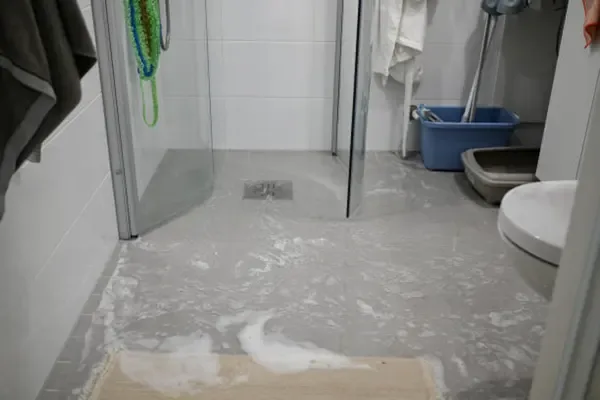
Toilet Overflow Cleanup
Bathroom overflow cleanup contains contact with wastewater and checks whether contaminated water escaped into adjoining finishes or rooms nearby.

Sewage Backup Cleanup
Wastewater entering through a drain needs controlled cleanup, removal of affected porous materials and correction of the backup source.

Hardwood Floor Water Damage
Raised board edges and damp seams call for measurements beneath the finish before sanding or replacement decisions are made.

Structural Drying
Retained walls, framing and floor assemblies need moisture checks that show whether drying equipment is reaching the wet materials.
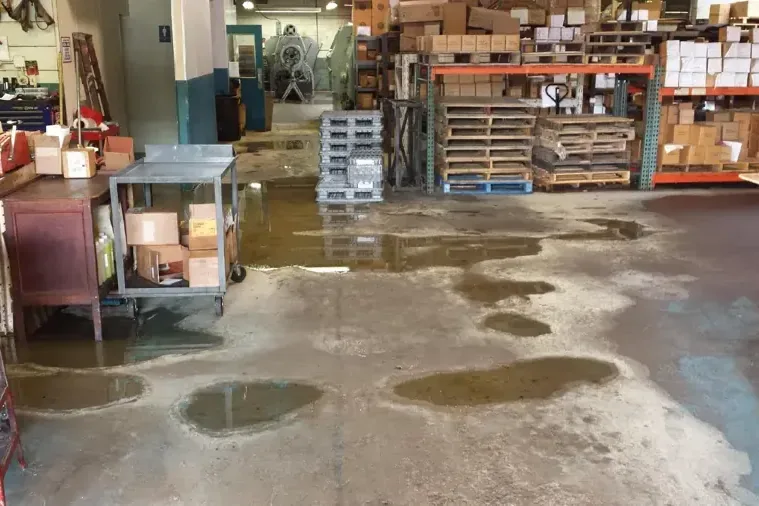
Commercial Water Damage
Business cleanup separates affected work areas from usable space while documenting wet contents, access restrictions and restoration priorities for management.
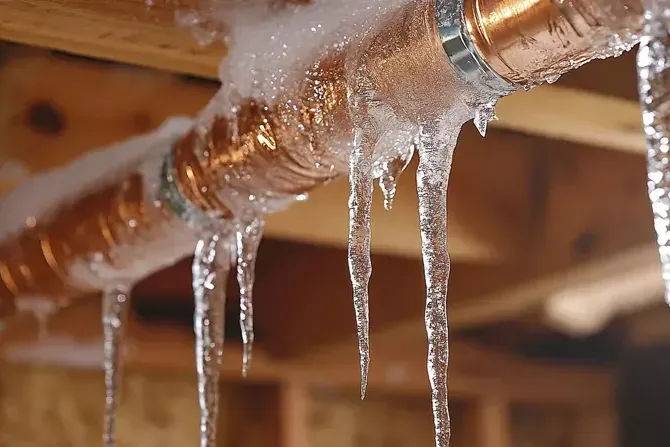
Frozen Pipe Water Damage
A pipe damaged by freezing can release water during thawing, requiring controlled restoration of supply and inspection of concealed spaces.

Basement Water Removal
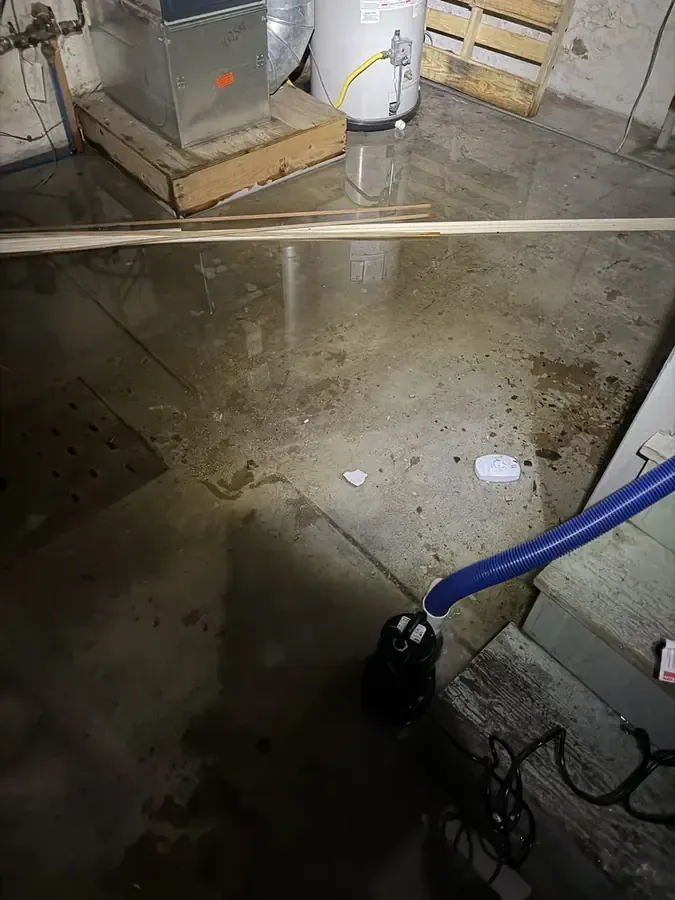
Lower room water needs a safe entry assessment, a suitable removal method and inspection of finishes at floor level.
A sequence built around the wet materials
Surface cleanup and structural drying serve different purposes. The restoration scope should explain which materials remain, how moisture reaches the equipment and what measurements support closing walls or replacing finishes afterward.
- 01
Map the spread
The inspection follows water beyond its visible edge, including adjoining rooms and concealed spaces where a floor or wall assembly continues.
- 02
Remove what cannot remain
Damaged or contaminated materials are separated from salvageable surfaces so debris removal and cleaning can proceed with a defined work boundary.
- 03
Manage retained moisture
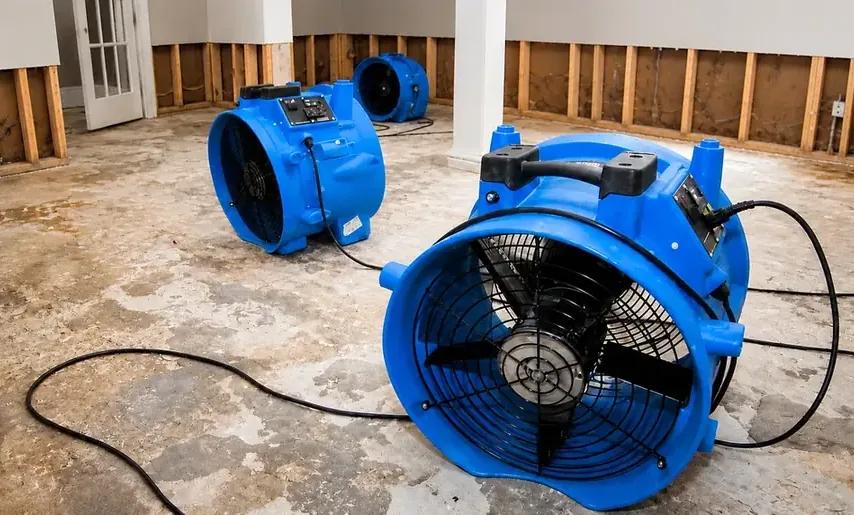
Air movement and dehumidification are positioned around accessible wet materials, with adjustments when a reading shows that progress has slowed.
- 04
Prepare the handoff
Final records identify the drying results, remaining repair work and any source correction needed before replacement surfaces cover the assembly again.
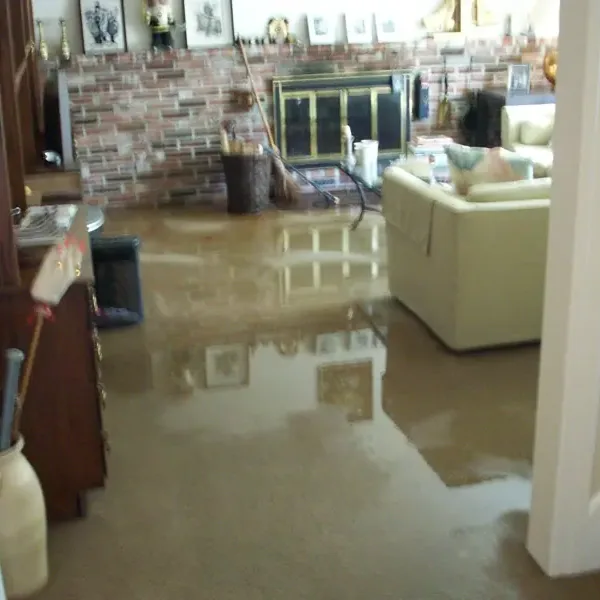
Clear decisions for each affected room
A homeowner needs more than a room full of equipment. The scope should connect visible damage, measured moisture and proposed work so each removal or drying decision has a practical purpose.
A defined boundary
The wet area is marked by inspection and readings, allowing unaffected rooms to be distinguished from spaces that need cleanup or drying access.
A reason for removal
A recommendation to lift flooring or open a wall should identify the wet layer, contamination issue or physical damage behind that choice.
A readable work record
Room photographs, material notes and moisture readings make the condition of the property easier to explain during repair planning and an insurance claim.
A repair connection
Restoration planning accounts for the plumber, roofer or other repair trade needed to correct the source before newly installed finishes become wet again.
Source and contact determine cleanup needs
Fresh supply release
Water from a broken supply pipe still needs prompt removal and inspection of every material it reached inside the building.
Follow the pipe releaseWater carrying residues
An appliance discharge may contain detergent or other residues, requiring a different cleaning decision from a simple fresh supply spill.
Inspect appliance discharge pathsWastewater contact
Sewage requires restricted access and careful handling of affected finishes before the remaining structure can move into the drying stage.
Plan wastewater containmentWhat determines the cleanup scope and cost?
Water damage restoration in Randolph may fall within the planning ranges below. The actual scope depends on the source, affected layers, contamination, access and drying needs. A written assessment should separate restoration work from plumbing or building repairs.
- Accessible wet surfaces
- Limited finish removal
- Defined drying area
- Several adjoining rooms
- Concealed moisture checks
- Larger equipment arrangement
- Broad material removal
- Complex cleanup access
- Multiple wet assemblies
These ranges support initial planning. Equipment needs, disposal, cleaning and retained material drying should be itemized, while separate repair trades explain their own work and charges before authorization.
Document damage as conditions change
A claim benefits from a clear sequence: when water was discovered, what stopped it, which rooms were affected and what cleanup changed. Coverage decisions remain with the property's insurer and policy.
Paying for the work directly
A property owner paying directly can request priorities in writing, beginning with safe access, stopping further water and removing conditions that prevent the remaining building materials from drying.
Optional finish upgrades should be distinguished from damage repairs. An itemized scope makes it easier to authorize necessary restoration and coordinate later construction without confusing those separate decisions.
- Photograph affected rooms before movable contents leave.
- Save the source repair description and invoice.
- Record damaged belongings with clear item descriptions.
- Keep drying records with the restoration scope.
- Separate replacement estimates from emergency cleanup charges.
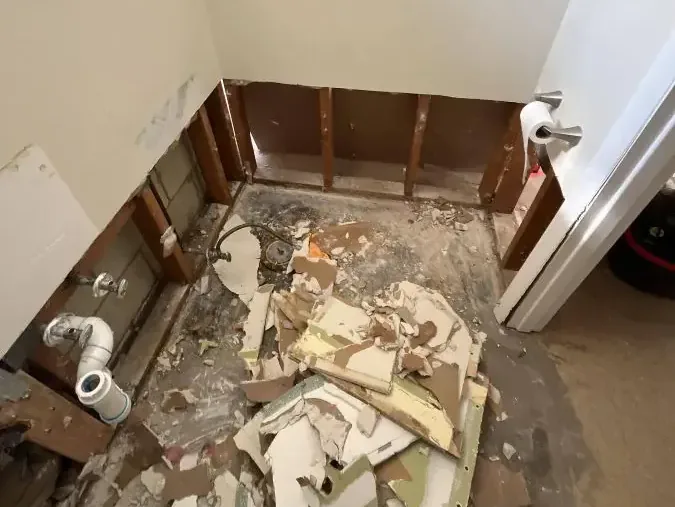
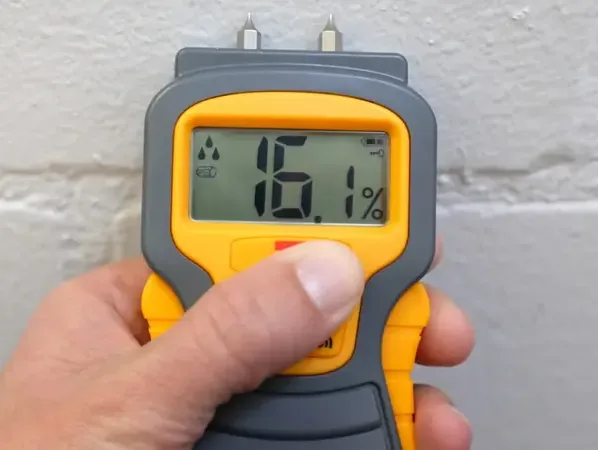
Equipment, wet finishes and opened materials
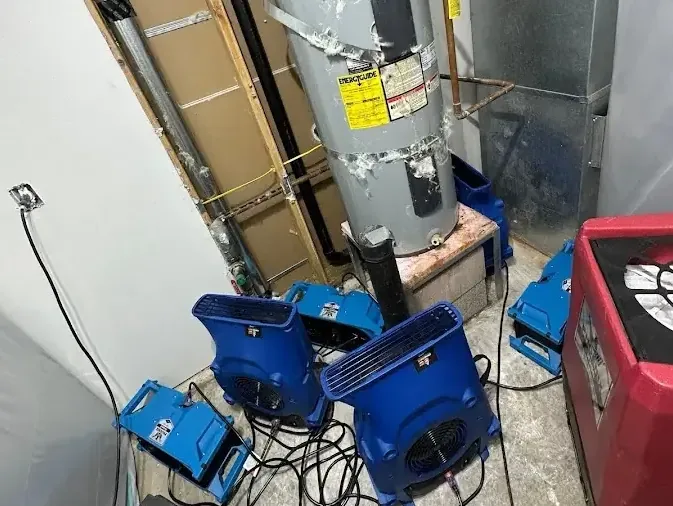
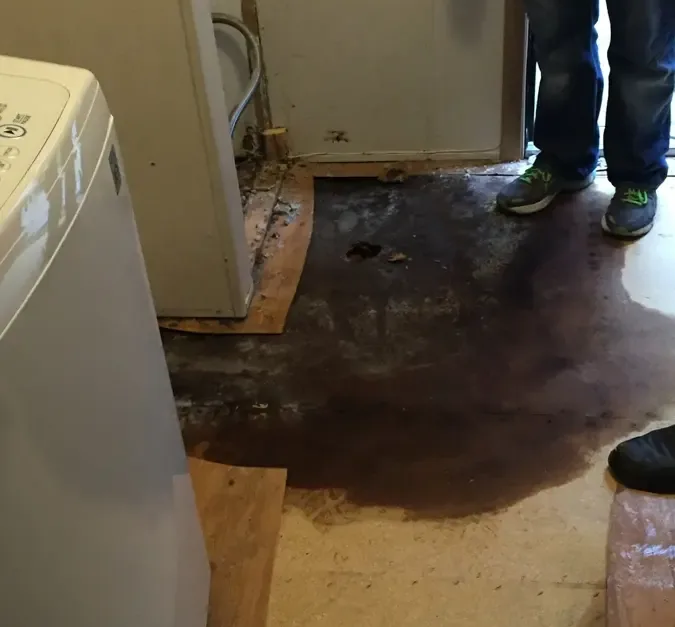
Describe the property and access
Local areas and streets
Local ZIP
Other service areas
An accurate location helps organize the visit
Properties around Crawford Square, New Dublin and Goose Corner can describe the affected entrance, floor and room when requesting an assessment. Access details help establish the work area.
Mention stairs, locked interior doors or occupied rooms that affect equipment movement. The initial description should also identify whether water is still entering and whether wastewater is involved.
Plan before arranging cleanup
Compare wet area, drying conditions and safe access.
Nearby service areas
Water damage articles
Read about water entry, material drying and claim records.
Read the water damage articlesRunoff, indoor leaks and separate repair needs
The Cochato River and Blue Hill River drain Randolph. Town stormwater guidance explains how paved surfaces shed runoff and how large runoff volumes can raise stream levels quickly.
July 6, 2026: The town scheduled blending water from the Tri-Town Water Treatment Plant into its existing supply as part of a water infrastructure transition.
- Paved surface runoff Roads, sidewalks, roofs and parking lots shed rainfall. Cleanup planning starts with the actual opening where outdoor water entered the building and spread indoors.
- Stream drainage The Cochato River runs through Broad Meadows. After outdoor water enters a room, debris and contact with finishes influence the cleanup and removal decisions.
- Indoor supply failures An isolated plumbing leak needs source repair and interior moisture inspection. The municipal Water & Sewer Division handles questions about the public water system.
- Repair approvals The town lists plumbing, gas and electrical work among activities that may require approvals. Repair arrangements should account for the work proposed at that property.
- Business premises Local service industries and light manufacturing use different interior spaces. Wet storage, occupied work areas and equipment access each need attention in a commercial restoration scope.
Questions after water appears
Where should an assessment begin?
The first visible wet spot is useful, but the inspection should also trace the source and connected materials. Water can travel beneath a floor or above a ceiling before appearing somewhere else. Safe access comes before investigating concealed spaces.
Does extraction finish the restoration job?
Removing standing water exposes the surfaces that still need inspection. Wood, wallboard and insulation may retain moisture after a floor looks clear. Drying decisions depend on those materials and readings rather than the disappearance of the original puddle alone.
Can occupants stay in unaffected rooms?
That depends on electrical safety, contamination, access routes and the work boundary. An assessment should distinguish usable areas from rooms that need restricted entry. Occupants should avoid crossing a cleanup zone merely to reach another part of the building.
What happens to soaked carpet?
The water source, backing, padding and condition of the underlying floor all matter. Carpet affected by sewage needs a different removal decision from a recent supply spill. Lifting an edge for inspection can reveal moisture that surface cleaning misses.
Who handles a leaking pipe?
A plumbing professional corrects the failed pipe or connection. Restoration addresses the water left inside rooms and building materials. Those tasks can be coordinated so a repaired source is checked before wall openings or floor finishes are closed again.
Should a ceiling stain be painted immediately?
A stained surface should first be checked for an active leak and retained moisture above it. Painting too early can conceal the visible marker while wet insulation or framing remains. Sagging ceilings also require a safe inspection boundary below them.
How are repair costs separated?
The scope should identify extraction, cleaning, removal and drying as restoration tasks. Source repairs and replacement finishes may require separate estimates. Clear descriptions help the property owner understand what each authorization includes and what work is still pending afterward.
What local information helps with a request?
The property's location, affected level and access restrictions are more useful than a general description of a wet house. A reference such as Tower Hill can help orient the request, followed by the precise entrance and room details during scheduling.
What indicates that drying can end?
Technicians compare moisture readings in affected materials with suitable dry references and track changes over time. Structural drying accounts for concealed layers as well as exposed surfaces. A dry feeling floor or quieter room alone is not the endpoint.
Start with the room that changed
Describe the water source, wet surfaces and access concerns to arrange the next practical step for the property.