Water Heater Leak Cleanup in Randolph
A leaking heater can wet a utility area and send water underneath the next doorway. Cleanup examines the tank surroundings, nearby finishes and floor transitions while a repair professional addresses the failed equipment.
(888) 480-6221Describe water beyond the tank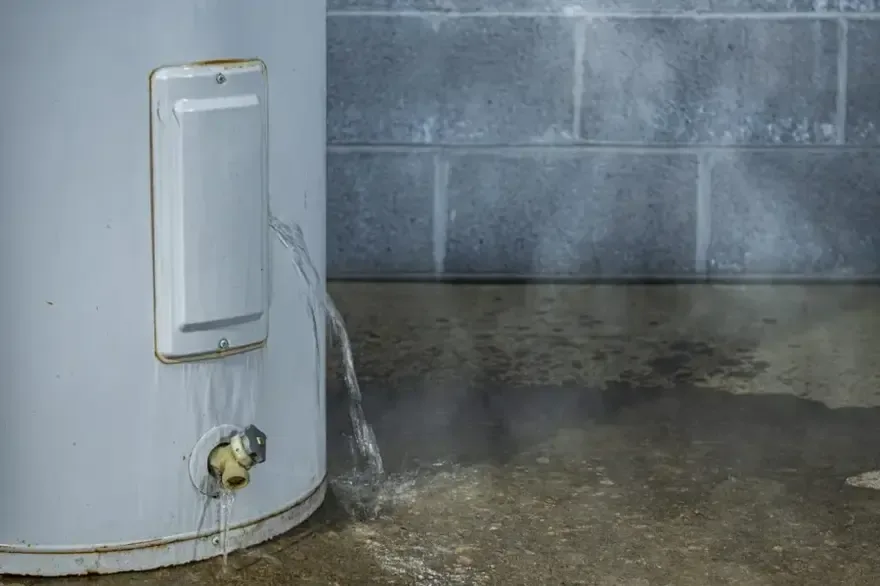
First steps for water heater leak cleanup in Randolph
- Avoid wet heater controls
Occupants should remain clear of water around powered equipment and avoid handling controls, hot discharge or any suspected gas issue while arranging a qualified source assessment.
- Describe the tank surroundings
A useful request identifies the heater room, nearby flooring, adjoining doors and whether stored items or wall finishes are wet beyond the visible tank area.
- Keep the repair route open
Movable items in a dry approach can be cleared when safe, leaving room for the repair trade to reach the heater without crossing obstructed wet space.
- Record damage beyond the puddle
Photographs should include wet wall edges, flooring transitions and affected belongings, since those materials may need restoration even after the heater itself has been replaced.
What does water heater leak cleanup cost in Randolph, MA?
Water heater leak cleanup in Randolph is shaped by escaped water volume, nearby finishes and access around the tank. These planning ranges describe restoration work. Heater repair or replacement, utility connections and associated approvals should remain clearly identified in separate repair details.
- Accessible utility floor
- Nearby edge inspection
- Localized water recovery
- Wet wall trim
- Floor transition checks
- Additional drying access
- Connected room assessment
- Wider material exposure
- Expanded moisture monitoring
Cost factors: Water category, wet square footage, material class and the time before drying starts shape the scope. Access beneath cabinets, retained insulation and multiple affected levels increase the work.
Use the water damage cost calculator to compare conditions. These typical ranges are planning estimates, not a quote for the property.
How water heater leak cleanup proceeds
Coordinate source isolation and access
The heater's condition and safe approach are assessed before cleanup equipment enters the immediate area. The repair trade determines how to address the failed tank or connection. Restoration planning accounts for that work space and identifies wet building materials that can be accessed without interfering with source correction.
Recover escaped water around obstructions
Accessible water is removed from the utility floor and connected areas. Stored items and equipment placement can conceal low spots, so recovery follows the actual spread. The assessment checks beneath reachable edges and records where a finish or obstruction prevents further inspection of the wet surface.
Assess adjoining finishes for drying
Wall trim, floor coverings and other absorbent materials are checked after the pool is cleared. Their condition determines whether they can remain or need removal for access. Drying is arranged around retained surfaces while preserving the safe access required for heater repair or replacement and related connections.
Separate room completion from equipment completion
A functioning heater addresses the source equipment, while moisture readings establish the condition of the room. The handoff identifies both milestones and any remaining finish replacement. Documentation should show what became wet, which materials were removed and what retained layers were checked before the restoration work concluded.
Replacing a failed water heater can leave an apparently manageable wet patch beside a much wetter floor edge. Water heater leak cleanup in Randolph follows escaped water away from the tank. The assessment includes surrounding wall bases, stored items and the doorway into adjoining space rather than ending at the equipment footprint.
Explain the heater location, whether water reached another room and any concern around wet controls. That description helps coordinate the source repair and interior cleanup.
(888) 480-6221Describe water beyond the tankEstablish safe equipment access
A heater involves energy as well as water. Occupants should avoid wet controls, hot water and any suspected gas problem. The repair professional needs safe access to isolate and correct the equipment, while the restoration scope identifies what can be cleaned or dried around the area without interfering with that work.
Randolph lists plumbing, gas and electrical activities among work that may need approvals. The proposed heater repair should account for applicable requirements. Cleanup planning can proceed around the actual damage while the repair trade establishes the necessary source correction and equipment arrangements for the property.
Follow water past the utility area
Horse Heaven is associated with Mill Street, and Goose Corner is at West Street and Cross Street. For a property in either area, reporting the heater's room and the next wet doorway helps organize inspection. The floor surface and storage arrangement influence where escaped water may remain concealed.
- Check the wall base directly behind the heater location.
- Inspect adjoining flooring where water crossed a threshold.
- Record soaked boxes or belongings resting on the floor.
- Leave adequate room for safe equipment repair and removal.
A floor drain nearby does not mean every released drop reached it. Water can remain in a low spot or enter an absorbent edge along the way. Once accessible water is recovered, measurements help distinguish a cleared utility floor from wet material extending into the adjacent finished room.
Coordinate drying with the replacement work
If standing water remains, water extraction provides the first recovery stage. A heater in a lower room may also require basement water removal. The access route should allow the repair trade to move equipment without carrying wet debris into clean areas.
After source correction, retained floor and wall materials need structural drying based on their readings. The closing record should distinguish the repaired heater from the restored room. Replacement trim or flooring can then follow the moisture assessment instead of being installed simply because the new tank is operating.
Water Heater Leak Cleanup and the IICRC S500 standard
Moisture measurements
The technician compares wet materials with an unaffected reference of the same kind. Surface touch alone cannot show whether the full assembly has reached its drying goal.
Equipment adjustment
The drying team records temperature and relative humidity, then adjusts airflow and dehumidification when a cavity or dense material stops improving. Equipment stays until readings support removal.
Written progress
The restoration contractor records the initial condition, removal decisions and final readings. A dated record helps the homeowner understand what remains before repairs close the affected area.
Safe work boundaries
The response team separates wet work from occupied rooms, checks equipment power requirements and keeps exit routes open. Occupants keep children and pets clear of hoses and cords.
water heater leak cleanup service in Randolph
Heater leak cleanup assessments include properties around Horse Heaven, Mill Street and Goose Corner, accounting for utility room access and water spreading into adjoining finishes.
The same service nearby: water heater leak cleanup in Milton, Braintree, Canton.
Water Heater Leak Cleanup questions in Randolph, MA
Is heater replacement the end of cleanup?
A replacement tank corrects the equipment problem, but escaped water may remain in nearby flooring or walls. Those materials need their own inspection. The room's drying condition should be documented separately from the repair professional's confirmation that the new equipment is functioning.
What if the heater sits on bare concrete?
The concrete and surrounding edges still need assessment, particularly where water reached trim, stored belongings or an adjoining finished space. Bare flooring makes some recovery easier but does not reveal every connected wet layer. Inspection follows the water beyond the tank footprint.
Should occupants adjust wet controls?
Water around energy equipment calls for a qualified assessment. Occupants should avoid handling wet controls or approaching hot discharge. The source repair professional can establish safe isolation, while restoration work addresses the water and affected building materials once access is suitable.
Can a floor drain leave damage nearby?
Water may spread into edges, low spots or absorbent materials before it reaches a drain. The visible puddle can recede while those materials remain wet. Inspection should check the path from the tank to the drain and any adjoining surface contacted along the way.
Who handles approvals for the repair?
The proposed plumbing, gas or electrical work should be assessed by the responsible repair professional for applicable town requirements. The restoration scope describes cleanup and drying. Keeping those descriptions separate helps the property owner coordinate equipment correction with repair of the wet room.
What information helps plan equipment access?
Describe the room entrance, surrounding storage and any narrow passage leading to the heater. Mention water outside the utility area and any unsafe condition visible from a dry position. These details help arrange assessment and protect the route used for repair and restoration.
Related water damage services in Randolph


Restore the room surrounding the failed heater
Plan recovery for the floor, walls and contents reached by escaped water before new finishes are installed.