Water Damage Restoration in Dedham
A spreading puddle can reach far beyond the room where it started. Dedham property owners can arrange water removal, careful moisture checks and a drying plan for affected building materials.
(888) 480-6221Discuss the damage and next steps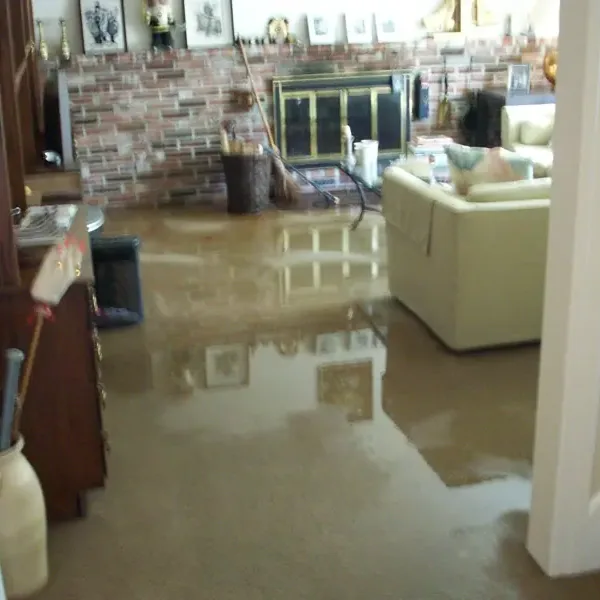 Describe the water source and affected floor before entering any room with electrical or overhead hazards.
Keep the first decisions simple and safe
- Stay outside unsafe rooms Standing water beside outlets, sagging ceilings and floating debris call for restricted access until the relevant hazards have been addressed.
- Stop an accessible source An accessible shutoff may stop a supply leak, provided reaching it requires no contact with water or unsafe equipment.
- Record the visible changes Photograph the affected doorway, floor and contents from a safe position. Keep the first observations together for the assessment.
- Separate dry belongings Move reachable dry items away from wet surfaces. Leave heavy furniture and contaminated belongings for a controlled handling plan.
- Describe the route indoors Explain which entrance remains usable, which rooms are wet and whether water continues to arrive or has already stopped.
Choose the cleanup that fits the damage
A leaking fixture, outside floodwater and a wet ceiling need different responses. Select the affected material or source for practical information about assessment and cleanup.

Water Extraction
Pooled water needs removal before finishes can dry. Extraction reaches open floor areas and checks where liquid has spread beneath belongings.
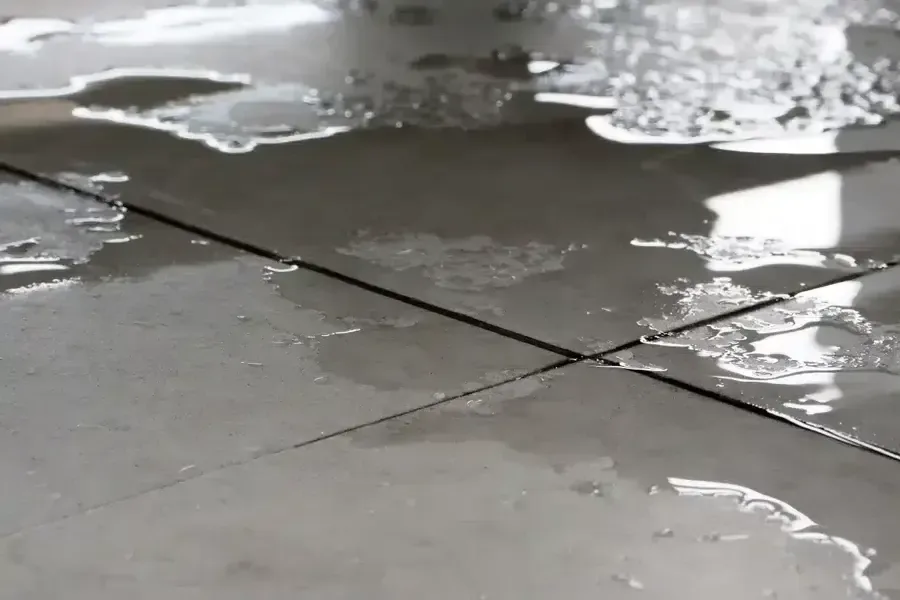
Slab Leak Water Damage
Moisture rising beside a floor joint calls for leak tracing, targeted access and assessment of the finishes resting above concrete.
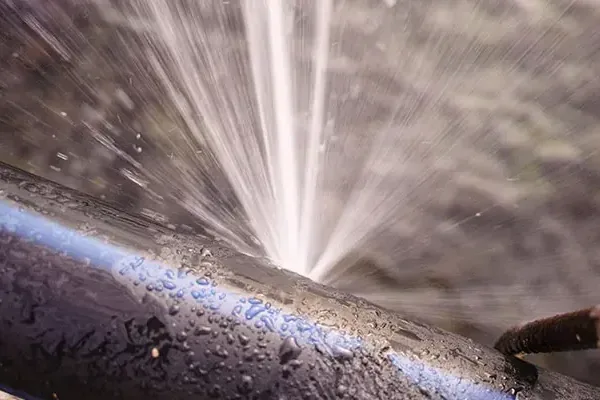
Burst Pipe Water Damage
A broken supply pipe can wet several rooms. Shutoff, plumbing repair and a mapped drying area help organize the response.

Ceiling Leak Water Damage
Overhead staining needs investigation above the visible mark. Unstable ceiling sections require controlled access before the room can be dried.
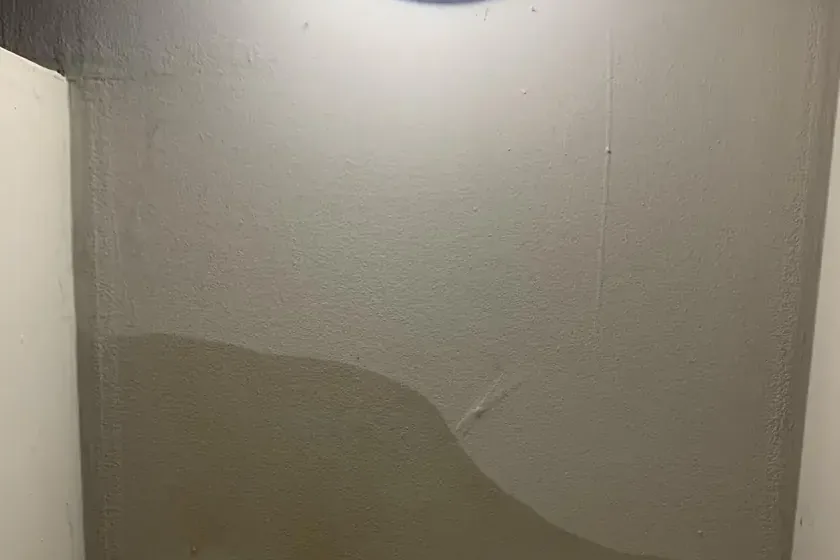
Roof Leak Water Damage
Rainwater may travel along framing before appearing indoors. Interior cleanup follows the wet path while roof repair stops further entry.

Storm Flood Cleanup
Water arriving from outside carries a different cleanup burden. Debris removal, affected material decisions and cleaning precede the drying phase.
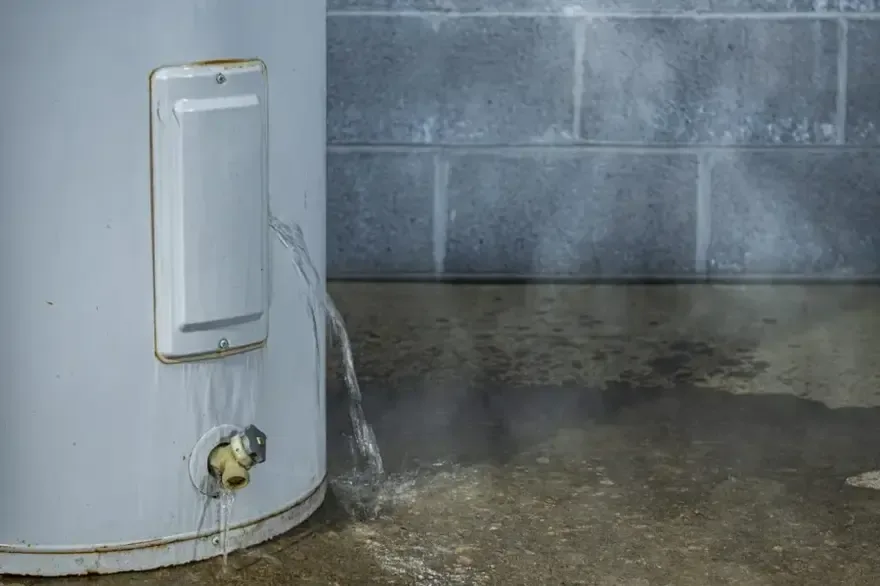
Water Heater Leak Cleanup
A leaking tank can soak nearby trim and stored items. Equipment isolation and floor assessment establish the limits of the damage.
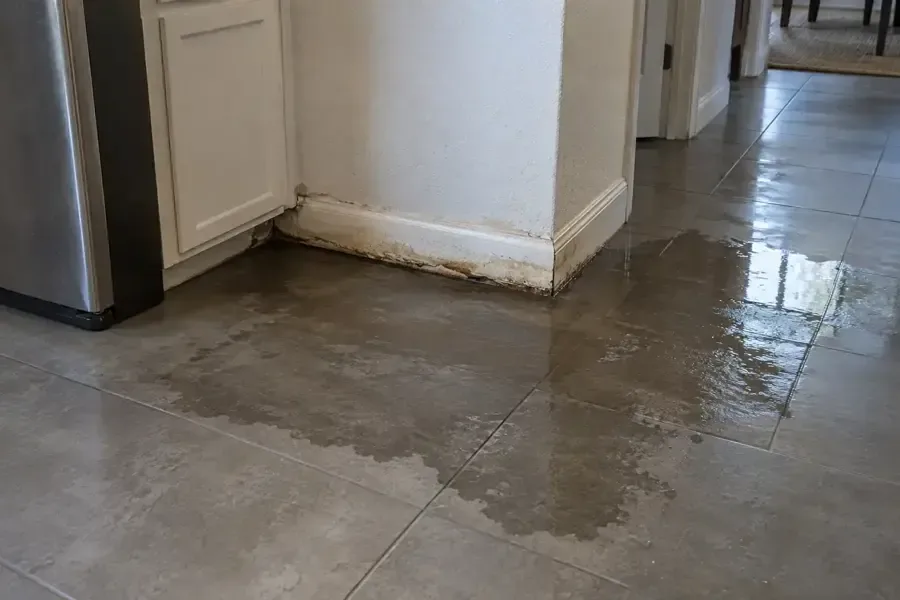
Appliance Leak Water Damage
Water behind an appliance can escape beneath cabinets. Inspection includes the recess, adjoining finishes and any room directly below it.
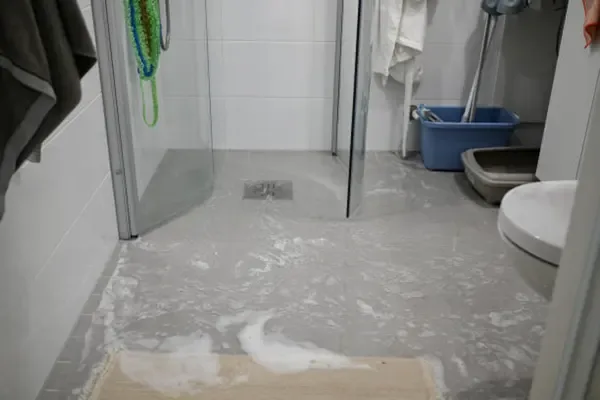
Toilet Overflow Cleanup
Bathroom overflow cleanup begins with controlling access. The water source and its contact with waste determine the handling of affected materials.

Sewage Backup Cleanup
Wastewater needs controlled removal and cleaning. A separate plumbing investigation resolves the backup while contaminated contents and finishes are assessed.

Hardwood Floor Water Damage
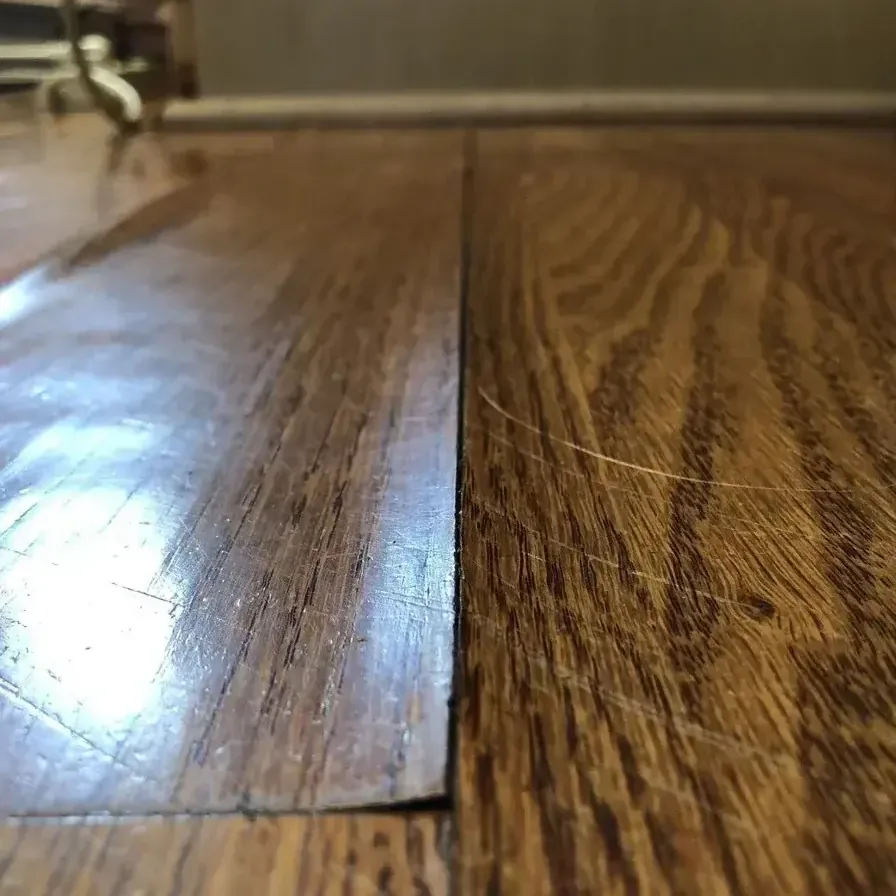
Raised board edges can signal retained moisture. Measurements across the flooring and underlying layers inform drying and later repair decisions.

Structural Drying
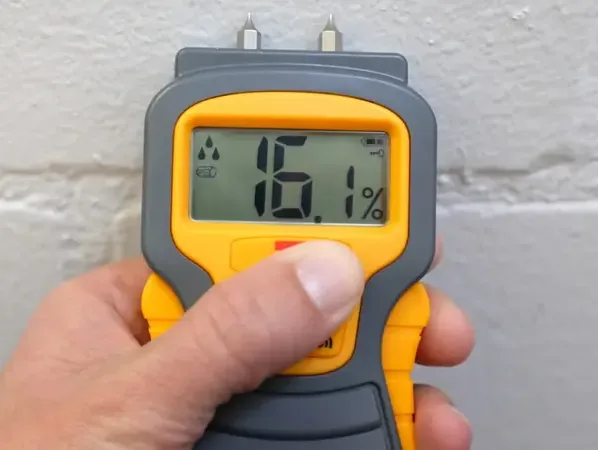
Dry surfaces can conceal wet assemblies. Equipment placement and repeat readings track moisture within accessible framing, walls and floor layers.
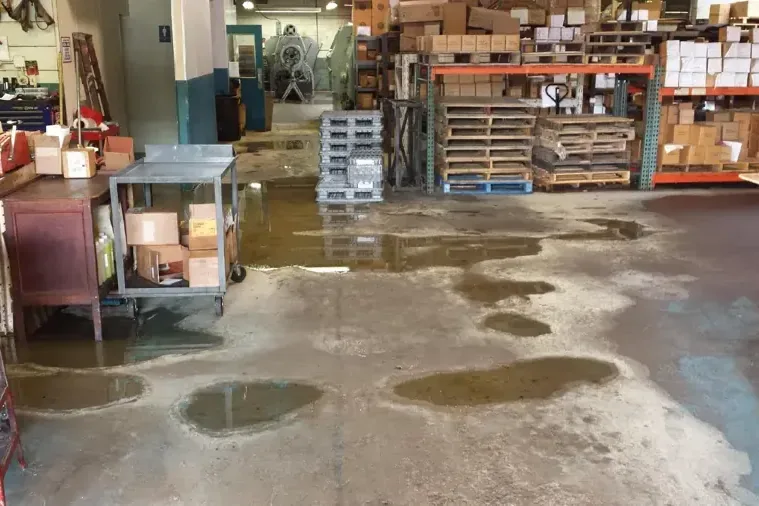
Commercial Water Damage
Business water losses need a workable access plan. Cleanup can separate affected rooms, protect contents and document changes for management.
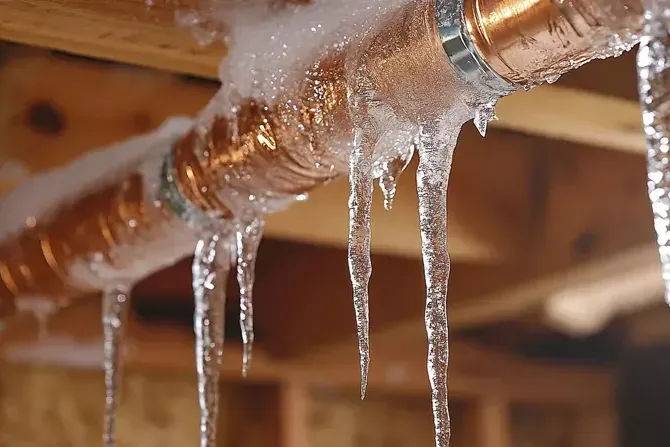
Frozen Pipe Water Damage
A thawing split can release hidden water. Plumbing isolation and checks around the damaged section help reveal the full wet area.

Basement Water Removal
Lower rooms need attention to water entry and safe access. Pumping, extraction and wall assessment prepare the space for drying.
Measure the damage before closing the repair
The cleanup scope follows water through accessible materials. Removal of pooled liquid comes first, followed by decisions about affected finishes and a drying setup that can be checked against recorded measurements.
- 01
Identify the starting point
The assessment records how water entered, whether the source remains active and which rooms connect to the visible damage through floors or walls.
- 02
Remove what holds water
Extraction tackles standing liquid while damaged contents and finishes are evaluated. Items that cannot remain are separated before the drying area is arranged.
- 03
Adjust the drying conditions
Air movement and dehumidification address retained moisture. Equipment changes follow the condition of the materials rather than the appearance of the room alone.
- 04
Document the remaining work
Final measurements and photographs explain the condition at handoff. Plumbing, finish replacement and other repairs are identified separately when they remain necessary.
Know what happens to each material
A useful cleanup plan explains what can stay, what needs access and what requires removal. That clarity helps homeowners organize belongings and understand the work still ahead after extraction.
Room by room scope
Each affected area receives a place in the work description, including connected closets, floor edges and accessible cavities that may hold moisture beyond sight.
Contents with a destination
Furniture and personal belongings need an agreed location during work. Separating dry, wet and contaminated items keeps handling decisions clear throughout the cleanup.
Changes explained promptly
Opening an assembly may reveal additional wet layers. The reason for expanded access should be described before the proposed work and estimate are updated.
A useful finish record
The closing record connects material readings with photographs and outstanding repairs, so a dry room and a fully rebuilt room remain distinct milestones.
Understand what entered the room
Supply water release
A broken pipe starts with source control and assessment of materials reached by the escaping water before conditions change.
Trace the pipe releaseAppliance discharge
An appliance spill may contain residues. The failed connection and the water path help determine cleaning and finish decisions.
Check behind the applianceWastewater intrusion
Sewage contamination calls for restricted access, controlled removal and careful handling of porous finishes and exposed household belongings.
Plan contaminated area cleanupWhat can water damage cleanup cost in Dedham?
Planning ranges for Dedham cleanup depend on the water source, affected rooms and materials that need access. A small accessible loss differs from contaminated water beneath several finish layers. An inspection establishes the actual work and written price.
- Accessible water removal
- Focused material checks
- Contained drying area
- Wider wet footprint
- Additional finish access
- More drying equipment
- Multiple damaged layers
- Complex contents handling
- Expanded cleaning scope
These ranges support early planning. Source repair, replacement finishes and concealed damage can change the final scope. A written estimate should identify included work and any separately priced repair needs.
Prepare clear claim documentation
Coverage decisions belong to the insurer. Property owners can make the conversation more useful by keeping photographs, the source description, cleanup estimates and repair records together as the work develops.
Paying directly for cleanup
For a direct payment, ask for a scope that separates water removal, cleaning and drying. Decisions about replacement materials can then be considered against the actual condition of the property.
If additional wet areas appear during access, the estimate should explain the change. Clear photographs and itemized work make it easier to compare the initial plan with the finished cleanup.
- Photographs showing the source and affected room boundaries
- A dated note describing when water first appeared
- An inventory of belongings moved or discarded
- Written cleanup scope with separately identified repair work
- Drying records and receipts retained with claim correspondence
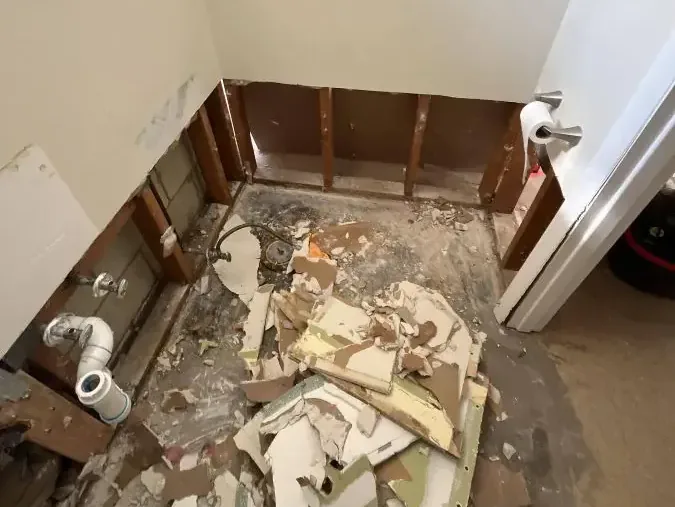
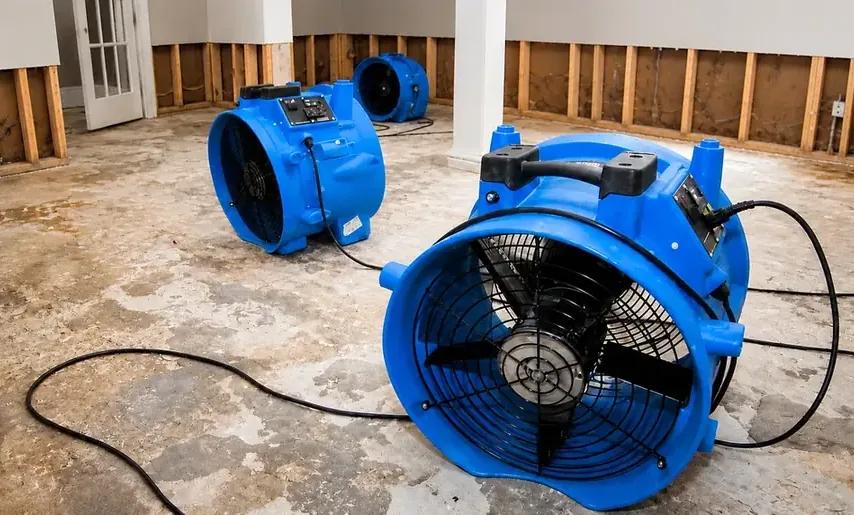
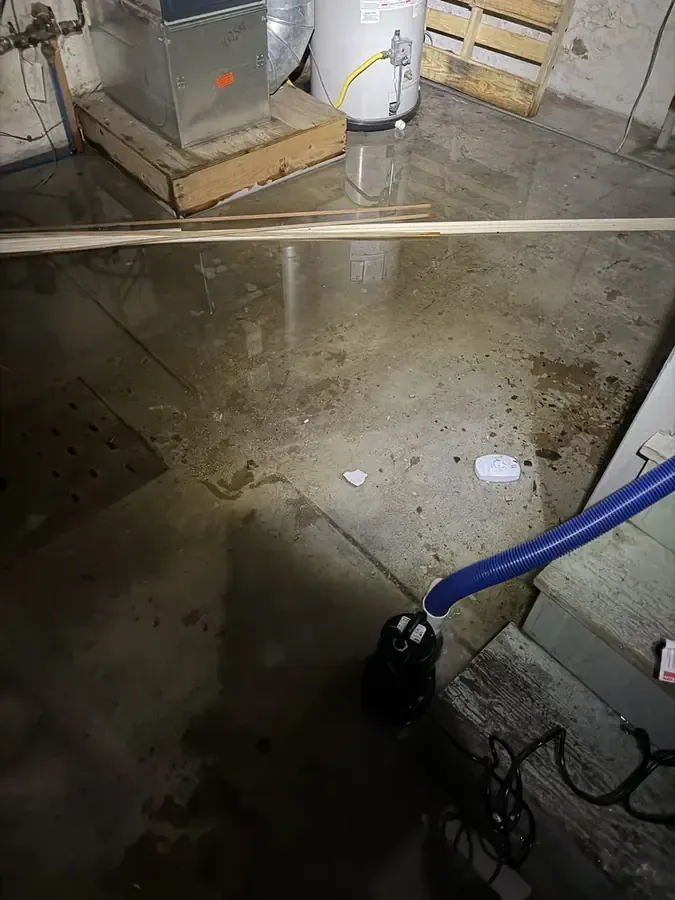
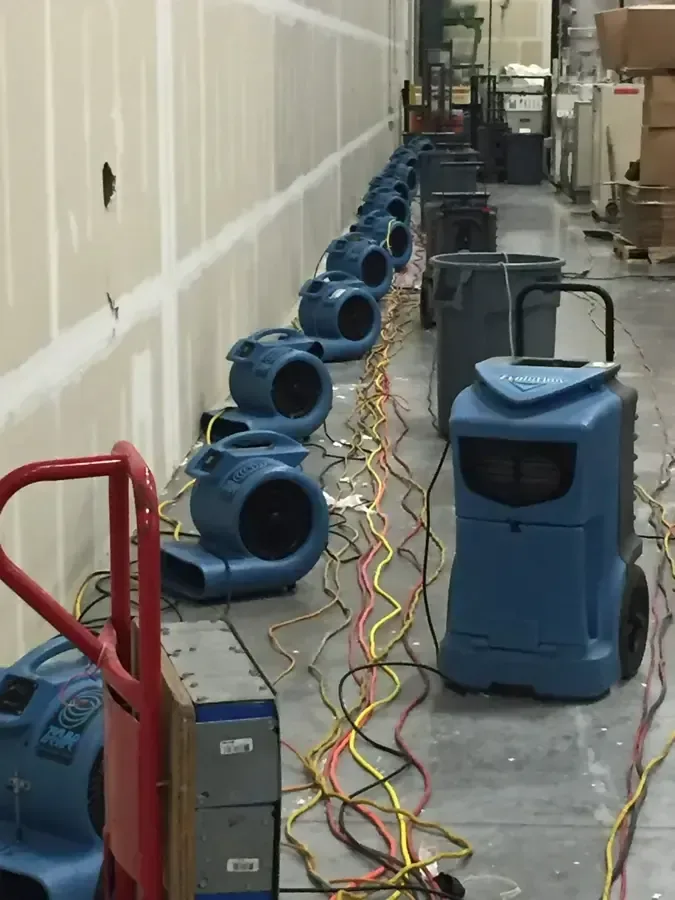
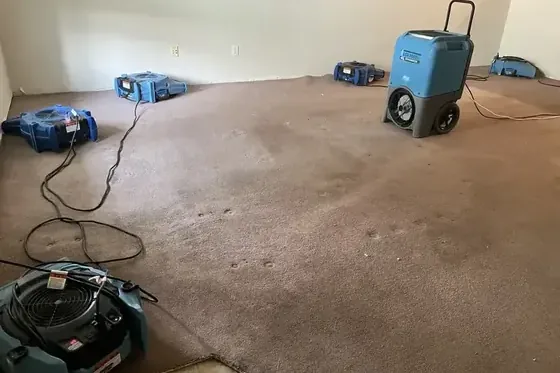
Materials and equipment seen during water damage work
Dedham neighborhoods and property access
Neighborhoods for access planning
Residential ZIP
Other area pages
Explain the entrance and the affected rooms
Oakdale occupies the town's geographical center, while Riverdale is surrounded by the Charles River and Long Ditch. An accurate neighborhood description helps establish the property setting before assessment.
Provide the building type, usable entrance and location of the water. Include stairs, occupied rooms and any restrictions that affect moving equipment or keeping dry areas accessible.
Plan before arranging cleanup
Compare wet area, drying conditions and safe access.
Nearby service areas
Water damage articles
Read about water entry, material drying and claim records.
Read the water damage articlesRivers, drainage and indoor water losses
Mother Brook diverts water from the Charles River to the Neponset River and forms part of a flood-control system. Indoors, the response still begins with the specific source and affected materials.
1948: Rainfall and melting snow caused the Charles River and Mother Brook to overflow, flooding portions of town during that event.
- Riverdale waterways The Charles River and Long Ditch surround Riverdale. After water enters a building, inspection must distinguish outside intrusion from a supply or drain failure.
- Manor sewer project The sewer inspection area includes Manor and portions of Oakdale and Greenlodge. The town documented sewage backups within the designated project area.
- Year-round precipitation The local climate includes precipitation throughout the year. A roof leak needs source repair as well as attention to any ceiling and insulation it wets.
- Historic timber construction The Fairbanks House dates to 1637. At older properties, cleanup planning should account for the actual materials encountered and the access needed to dry them.
- Water supply connections Dedham-Westwood Water District serves residents and businesses. A building leak still requires its own plumbing assessment and a separate plan for damaged interior materials.
Questions before water damage cleanup
What information helps with the first call?
Describe the room where water appeared, whether it continues to spread and any visible electrical or ceiling hazards. Mention contaminated water and access restrictions early. Photographs taken from a safe position can help explain areas that cannot currently be entered.
Can a room look dry before cleanup finishes?
Yes. A floor surface can lose its visible sheen while material underneath remains wet. Structural drying uses measurements to assess that difference. Drying decisions should consider wall bases, floor layers and accessible cavities before finishes are closed or belongings return.
Does every wet finish require removal?
No. Material condition, contamination and access for drying determine the recommendation. Sound finishes may be retained when the affected layers can be treated effectively. Swollen, detached or contaminated materials need separate decisions, with the reason recorded in the proposed scope.
What should happen after a sewage backup?
Keep people and animals out of the affected space and stop using fixtures that worsen the backup. A plumbing assessment addresses the obstruction or failure. Sewage cleanup handles wastewater, exposed contents and affected finishes before the remaining structure is dried.
Is historical flooding enough to identify today's source?
The current water path must be inspected. A wet lower room may involve exterior water, a plumbing release or a drain problem. Note the weather, fixture use and visible entry points so the assessment can focus on the actual conditions.
Can belongings stay inside during the work?
That depends on their exposure and the space needed for equipment. Dry belongings may be relocated within the property when a suitable area exists. Wet or contaminated items require their own handling decisions, and heavy objects should remain undisturbed until assessed.
Does the cleanup estimate include plumbing repairs?
The estimate should state whether source repair is included or arranged separately. Water removal and drying address the resulting damage. A failed pipe, heater or drain needs appropriate repair before ordinary use resumes, even if the surrounding room has dried.
When can replacement flooring be installed?
Installation follows assessment of the supporting materials and the replacement product requirements. A dry appearance alone is insufficient. The closing moisture record should help the repair contractor understand the condition of the substrate before a new floor conceals it.
How can the disruption be kept organized?
Agree on an equipment route, a place for relocated belongings and an area that occupants can use safely. Keep cleanup records together and clarify changes as they arise. A defined handoff separates completed drying from reconstruction or other work still outstanding.
Make the next decision with a clear scope
Describe the affected space, identify any ongoing water entry and arrange an assessment of removal, cleaning and drying needs.