Sewage Backup Cleanup in Dedham
Wastewater in an occupied building changes how the entire affected area is handled. Restrict access, stop activities that worsen the backup and coordinate plumbing investigation with controlled removal, cleaning and material assessment.
(888) 480-6221Plan the wastewater cleanup boundary
First steps for sewage backup cleanup in Dedham
- Stop use that worsens the backup
Keep affected fixtures unused. Describe the existing drain behavior to the plumber without adding more water to the wastewater-affected property.
- Keep household traffic outside
Restrict access to exposed rooms and keep animals away. Leave contaminated belongings within the work boundary until their removal or treatment has been planned.
- Describe all visible exposure
Mention wastewater in closets, around stored contents or beyond a doorway. The cleanup scope needs the full footprint rather than only the drain where overflow appeared.
- Coordinate drain and cleanup access
Share plumbing findings and the planned repair route. Both tasks need access, but wastewater handling and retained-material cleaning remain separate from clearing the obstructed drain.
What does sewage backup cleanup cost in Dedham, MA?
Sewage cleanup in Dedham depends on contamination spread, porous material exposure and the access needed for controlled handling. The ranges describe cleanup work; drain repair and reconstruction may be separate. A written assessment establishes the actual material and cleaning scope.
- Localized wastewater removal
- Accessible surface cleaning
- Limited contents exposure
- Affected finish removal
- Concealed surface access
- Expanded cleaning work
- Broader exposure boundary
- Complex contents handling
- Multiple drying areas
Cost factors: Water category, wet square footage, material class and the time before drying starts shape the scope. Access beneath cabinets, retained insulation and multiple affected levels increase the work.
Use the water damage cost calculator to compare conditions. These typical ranges are planning estimates, not a quote for the property.
How sewage backup cleanup proceeds
Establish the controlled work area
The assessment identifies wastewater exposure, access hazards and unaffected occupied rooms. A route for equipment and removed contents is arranged to limit transfer into clean spaces. Source status is recorded so the cleanup sequence can be coordinated with the plumber's investigation and any continuing release.
Remove wastewater and unsuitable materials
Liquid collection is followed by assessment of exposed finishes and contents. Porous materials that cannot remain are documented and removed through the established route. The crew records additional contamination found behind accessible surfaces and explains changes when the observed footprint extends beyond the original visible area.
Clean accessible retained surfaces
Once removal provides access, cleaning addresses the surfaces and assemblies suitable for retention. Material condition and exposure determine the treatment sequence. This stage prepares the structure for moisture control, with equipment and contents handling organized so previously cleaned areas do not become routes for untreated items.
Dry and document the remaining assembly
Measured drying follows the cleaned structure and any exposed wet framing or floor layers. The completion record identifies removed materials, source repair status and outstanding replacement work. Those details help occupants understand the usable space and give subsequent contractors a clear account of the condition left after cleanup.
Dedham's sewer inspection project covers the Manor neighborhood and portions of Oakdale and Greenlodge. The town documented sewage backups into homes, onto properties and along nearby roads within its project area. An indoor backup needs a property-specific response that addresses the drain problem and the contaminated rooms as separate coordinated tasks.
Explain where wastewater appeared and which rooms or belongings it contacted so access, handling and drain investigation can be coordinated.
(888) 480-6221Plan the wastewater cleanup boundaryKeep the exposure area contained
Occupants should stay out of wastewater and avoid using fixtures that worsen the release. Exposed contents and footwear can transfer contamination into otherwise dry rooms. Cleanup planning therefore establishes a boundary and a handling route before belongings are moved or equipment enters the affected portion of the building.
- Describe the lowest fixture or drain where wastewater appeared.
- Report other affected fixtures without operating them for testing.
- Keep animals and household traffic away from exposed surfaces.
- Leave wet porous belongings for a documented handling decision.
July 15, 2024: Door-to-door inspections began in the designated sewer project area. The program identifies sump pumps and exterior roof drains connected to the sanitary sewer as prohibited connections. For a current backup, a plumbing investigation establishes the condition requiring repair while cleanup follows the actual wastewater footprint indoors.
Make material decisions before circulating air
Wastewater trapped in porous finishes requires more than ordinary surface drying. The assessment considers contamination, absorbency and access to concealed layers. Unsuitable materials are removed through the controlled route, and retained surfaces receive cleaning appropriate to their exposure before the drying arrangement is established around the remaining assembly.
Floor coverings, wall bases and contents touching the floor need individual attention. The exposed area may include a closet or adjacent room even where no liquid remains visible. Documentation should show why each material is retained or removed, including hidden damage discovered as accessible finishes are opened during cleanup.
- Record the exposure boundary before removing damaged floor coverings.
- Separate dry stored items from belongings contacted by wastewater.
- Explain concealed access through the contamination and moisture findings.
Connect cleaning, drying and source correction
A cleared drain does not clean the materials it overflowed onto. Likewise, removing wastewater does not resolve the underlying drain failure. The work plan needs both tracks visible, with source findings shared between the plumbing professional and cleanup crew so another release does not undo completed cleaning.
After the retained structure is prepared, structural drying addresses residual moisture. If a bathroom is the initial affected space, toilet overflow assessment can help describe the fixture pathway. The handoff records cleaned areas, removed materials, drying results and the repairs needed before the space returns to ordinary use.
Sewage Backup Cleanup and the IICRC S500 standard
Moisture measurements
The technician compares wet materials with an unaffected reference of the same kind. Surface touch alone cannot show whether the full assembly has reached its drying goal.
Equipment adjustment
The drying team records temperature and relative humidity, then adjusts airflow and dehumidification when a cavity or dense material stops improving. Equipment stays until readings support removal.
Written progress
The restoration contractor records the initial condition, removal decisions and final readings. A dated record helps the homeowner understand what remains before repairs close the affected area.
Safe work boundaries
The response team separates wet work from occupied rooms, checks equipment power requirements and keeps exit routes open. Occupants keep children and pets clear of hoses and cords.
sewage backup cleanup service in Dedham
Wastewater cleanup assessment includes Manor, Oakdale and Greenlodge properties, with the treatment boundary determined by actual sewage exposure, accessible materials and the plumbing findings at the building.
The same service nearby: sewage backup cleanup in Milton, Canton, Quincy.
Sewage Backup Cleanup questions in Dedham, MA
Does clearing the drain complete sewage cleanup?
Drain repair resolves the source problem. Contaminated rooms still need removal, cleaning and assessment of retained moisture. Those separate tasks prepare affected materials for drying and subsequent repairs.
Can an ordinary fan be used on the wet floor?
Do not start airflow across an untreated sewage-affected area. The cleanup sequence needs to address contamination and unsuitable materials first. Drying equipment is arranged after the retained surfaces have been prepared, with the work boundary protecting occupied areas from the exposure zone.
What information helps identify the affected area?
Describe where wastewater appeared, which rooms it entered and what contents it contacted. Include closets and low storage areas. Existing observations about other drains also help the plumbing investigation, without requiring occupants to operate fixtures or walk through the contaminated space.
Why are porous finishes considered separately?
Absorbent materials can hold contamination below the surface and prevent access to the assembly behind them. Their condition affects whether removal is needed. The scope should explain those decisions and distinguish damaged materials from suitable retained surfaces that can receive cleaning and drying.
Can belongings be carried outside before assessment?
Handling should be planned to avoid transferring contamination through clean rooms or onto dry contents. Leave exposed items in place when practical and keep people clear. Documentation and a controlled removal route help organize decisions about disposal, treatment or further evaluation of affected belongings.
What records show the cleanup outcome?
Useful documentation identifies the exposure footprint, removed finishes, cleaned retained areas and drying measurements. Source repair findings belong alongside that record. Outstanding replacement work should be explicit so the property owner can distinguish completed cleanup from the remaining tasks needed to restore the space.
Related water damage services in Dedham
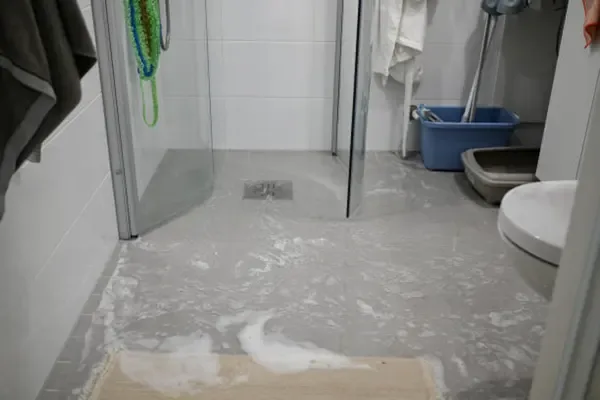

Restore control over the affected rooms
A defined boundary and documented material decisions organize removal, cleaning and drying while the underlying plumbing problem is addressed.