Commercial Water Damage in Milton, MA
Water in a business affects access, equipment and the rooms around the spill. Milton restoration crews map the wet area, coordinate with the property contact and organize extraction and drying around safe work boundaries.
(888) 480-6221Plan the wet business areas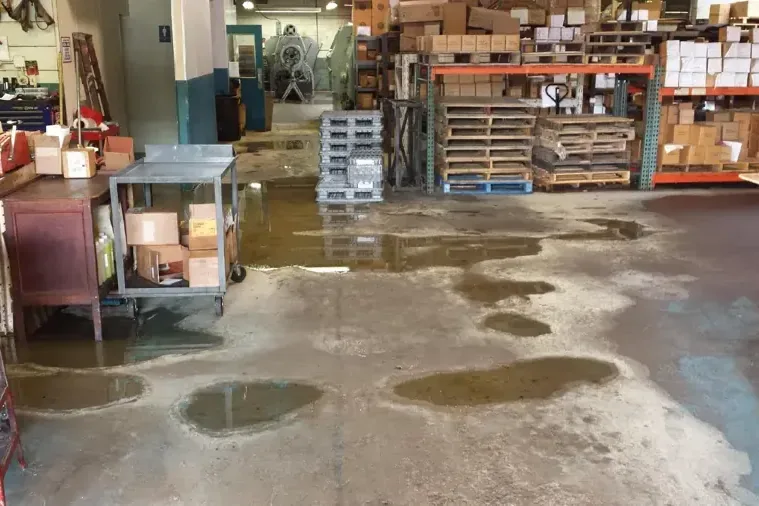
First steps for commercial water damage in Milton
- Limit unsafe room access
Keep employees and visitors away from wet circuits, contaminated surfaces or unstable ceilings. Preserve clear exits and use the building's emergency procedures.
- Identify the decision contact
Provide a property manager or authorized representative who can approve access and explain tenant responsibilities. Confirm how the crew can enter outside normal operating hours.
- Protect dry contents safely
Move accessible dry records or stock away from the water path only when the route is safe. Do not handle energized equipment or contaminated belongings.
- Document business impacts
Record affected rooms and contents separately from operating interruptions. Photographs and an inventory help the contractor and insurer understand the observed loss.
What does commercial water damage cost in Milton, MA?
Commercial water restoration can range from $2,000 to $12,000 or more. Floor area, operating access, contamination, contents and equipment needs drive the scope. Source repairs, reconstruction and business-interruption costs should be evaluated separately.
- Room-level extraction
- Carpet and wall checks
- Focused drying setup
- Controlled access routes
- Additional equipment zones
- Contents coordination
- Expanded removal scope
- Power and zone planning
- Detailed project records
Cost factors: Water category, wet square footage, material class and the time before drying starts shape the scope. Access beneath cabinets, retained insulation and multiple affected levels increase the work.
Use the water damage cost calculator to compare conditions. These typical ranges are planning estimates, not a quote for the property.
How commercial water damage proceeds
Survey use and water spread
The technician maps the affected assemblies, checks occupancy and contamination, and coordinates source repair and authorization with the property contact before defining the mitigation zones. The scope identifies shared partitions and any special contents requiring separate handling, giving the business contact a clear basis for authorizing work.
Extract with controlled access
The crew removes water while protecting exits and clean circulation routes, documenting damaged finishes and coordinating contents movement where it is safe and authorized. The contractor records which materials belong to the building and which items are contents, supporting a clearer review of tenant and owner responsibilities.
Manage equipment and monitoring
The drying specialist checks electrical capacity, places equipment for the material load and logs moisture progress while coordinating access to occupied and restricted parts of the premises. The equipment arrangement preserves required circulation and allows repeat inspections, with changes discussed when the business needs access to a restricted work area.
Document the reopening handoff
The contractor records final retained-material conditions, identifies remaining repairs and provides the property contact with drying logs and scope details for operational and insurance decisions. The closing record separates dry retained assemblies from unfinished reconstruction and contents decisions, allowing management to plan the next stage using documented conditions.
A business water loss needs one clear picture of the affected space before equipment arrives. The restoration contractor identifies the source, building contact, occupied areas and any special contents. The plan separates urgent water removal from decisions about tenant improvements, damaged stock and the return of rooms to use.
Business access and wet materials need one coordinated plan. Identify the property contact, affected rooms and any shared entry route.
(888) 480-6221Plan the wet business areasOrganizing access and responsibilities
At premises in Milton Village or Lower Mills, a narrow entrance or shared corridor can affect the equipment route. The response team asks who can authorize access and whether neighboring units share the wet wall or ceiling. The crew protects exits and keeps hoses from disrupting necessary circulation.
- Identify the property manager and the person approving the work.
- List affected rooms, stock, records and electronic equipment.
- Report public access routes that cross the wet area.
- Keep staff out of rooms with electrical or structural hazards.
Canton Avenue provides another useful location reference when arranging the visit. The building's actual use and floor plan determine the cleanup sequence. An office with wet records requires different contents handling from a storage area with water beneath shelving.
Building a drying plan around the premises
The extraction crew removes accessible water while the technician maps materials that retain it. The contractor checks power capacity and equipment placement, then establishes drying zones that can be monitored without unnecessary interference from open doors or changing occupancy.
Some unaffected rooms may remain usable after a safety assessment, while other losses require broader closure. The restoration team documents that distinction and coordinates with the property contact. No drying plan should promise uninterrupted operations before the hazards and contamination are known.
- Wet partitions may affect adjoining tenants or shared spaces.
- Carpet tiles, wall bases and raised storage can conceal moisture.
- Equipment circuits and access requirements belong in the work plan.
Keeping structure and contents records separate
Milton Inspectional Services administers building, electrical, plumbing and gas codes. The repair scope should account for applicable requirements when work changes the affected assembly. The contractor distinguishes source correction, mitigation, contents handling and reconstruction so the business can review each task.
The Ready.gov business planning information helps organizations prepare for disruption. The EPA flooded-building cleanup information explains material and contamination considerations. The property contact retains photos, inventory notes and the contractor's daily drying record for the insurance review.
24/7 dispatch supports urgent commercial water losses in Milton. The first discussion should identify the source status, affected use and safe entrance. The crew then plans an assessment based on the building condition, with no fixed reopening date until the required work is understood.
Commercial Water Damage and the IICRC S500 standard
Moisture measurements
The technician compares wet materials with an unaffected reference of the same kind. Surface touch alone cannot show whether the full assembly has reached its drying goal.
Equipment adjustment
The drying team records temperature and relative humidity, then adjusts airflow and dehumidification when a cavity or dense material stops improving. Equipment stays until readings support removal.
Written progress
The restoration contractor records the initial condition, removal decisions and final readings. A dated record helps the homeowner understand what remains before repairs close the affected area.
Safe work boundaries
The response team separates wet work from occupied rooms, checks equipment power requirements and keeps exit routes open. Occupants keep children and pets clear of hoses and cords.
Commercial Water Damage service in Milton
Water damage service covers ZIP 02186, including Brush Hill, Milton Hill, Milton Village and Lower Mills. Describe the building entrance and affected level when arranging access.
Commercial Water Damage questions in Milton, MA
Can a business remain open during drying?
The contractor assesses contamination, electricity, exits and the separation between wet and usable areas. Some rooms may remain available, while other losses require closure. The property contact makes operational decisions using the safety assessment and work requirements.
Who should authorize the restoration work?
An owner, property manager or other authorized representative should confirm access and scope. Tenant and building responsibilities may differ. Clear authorization helps the contractor coordinate source repair, contents handling and reconstruction with payment responsibilities stated for each item.
What happens to wet records or electronics?
Those contents need their own assessment and handling plan. Staff should not operate wet electronics or move contaminated materials through clean space. Document the affected items and discuss appropriate specialist recovery or disposal with the contractor and insurer.
Why does the crew ask about electrical capacity?
Drying equipment needs safe, reliable power. The team checks circuit availability and placement so equipment does not overload the building or block circulation. A larger loss may require a different power arrangement agreed before setup.
How are neighboring rooms checked?
Water can move through partitions, beneath flooring and into shared ceilings. The technician follows the observed path and obtains access where needed to inspect adjoining assemblies. The moisture map records those findings rather than stopping at a tenancy boundary.
Can the contractor promise a reopening date immediately?
The required drying and repair work depends on source control, contamination and material response. The contractor can explain the sequence and provide progress records. Operational reopening follows the actual condition and any remaining safety or repair requirements.
Related water damage services



Organize recovery around the premises
The restoration team documents access, extraction and measured drying for the authorized property contact.