Burst Pipe Water Damage in Milton, MA
A broken supply pipe can wet more than the room where it fails. The Milton extraction crew follows the release through connected surfaces, removes free water and measures hidden moisture after the pipe repair.
(888) 480-6221Contain the supply-pipe release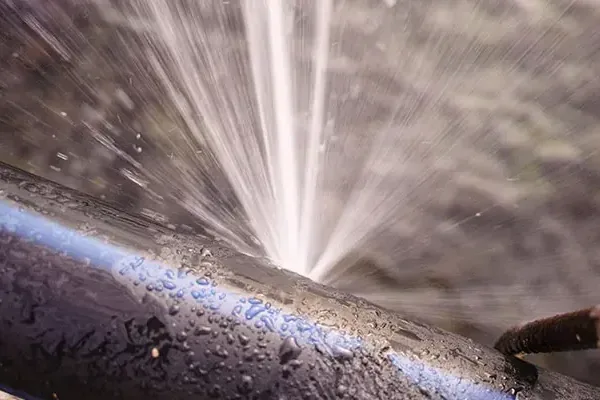
First steps for burst pipe water damage in Milton
- Stop the continuing release
Close the household supply from a safe, dry position if the valve is accessible. Leave dangerous access to the appropriate emergency professional.
- Avoid wet electrical areas
Keep occupants away from sockets, lights and equipment touched by the water. An electrician determines when affected circuits can safely return to service.
- Trace the visible path
Photograph the source area and water reaching neighboring rooms from dry ground. Tell the contractor whether the leak began above a ceiling or inside a wall.
- Keep repairs coordinated
Allow the plumber to address the failed pipe while the restoration crew assesses the wet materials. Do not close the cavity before moisture checks finish.
What does burst pipe water damage cost in Milton, MA?
Burst-pipe cleanup commonly costs $1,200 to $5,500, with larger multi-level losses exceeding that range. Plumbing repair is separate. Water volume, time before shutoff, concealed cavities and the number of wet finishes determine the restoration scope.
- Quick source isolation
- Floor extraction
- Limited cavity checks
- Selective opening
- Insulation assessment
- Room-by-room drying
- Vertical water tracing
- More equipment zones
- Expanded repair record
Cost factors: Water category, wet square footage, material class and the time before drying starts shape the scope. Access beneath cabinets, retained insulation and multiple affected levels increase the work.
Use the water damage cost calculator to compare conditions. These typical ranges are planning estimates, not a quote for the property.
How burst pipe water damage proceeds
Map the pressure release
The technician follows the pipe route and water marks, checking adjacent floors and ceilings so the scope includes concealed travel beyond the first puddle. The inspection includes the room beneath the break and pipe penetrations that could carry water beyond the first visible damage.
Extract and open selectively
The crew removes accessible water, protects unaffected rooms and opens damaged finishes where wet insulation or trapped water prevents effective drying of the assembly. The contractor records the condition of each removed layer and preserves access for the plumbing repair before arranging the drying zone.
Control the drying conditions
The drying team balances air movement with dehumidification, checks power availability and logs material readings at repeatable locations throughout the affected rooms. Equipment adjustments respond to the recorded wet boundary, including slower wall bases and enclosed spaces that receive less direct air movement.
Document the final condition
The contractor verifies drying goals, records areas still needing replacement and provides the repair scope with source photographs and the equipment history for the homeowner. The homeowner receives a clear distinction between the completed source correction, retained dry materials and finishes that still require rebuilding.
A burst pipe releases water under pressure until the supply stops. Water may run along framing, through a ceiling opening or beneath a doorway before anyone sees the first puddle. The restoration technician starts with the pipe location and traces that route instead of treating only the most visibly damaged room.
A repaired pipe can leave wet framing behind. Describe both the source room and any water appearing on another level.
(888) 480-6221Contain the supply-pipe releaseFollowing a pipe release through the building
Homes around Brush Hill and Milton Hill can have altered room layouts and repaired finishes. The town's housing construction slowed after the 1960s, so the contractor checks the actual layers and additions at the property. The age of the neighborhood does not replace an inspection of the leaking pipe and wet assembly.
- Check both sides of a wet partition where access allows.
- Inspect the room below a leak on an upper floor.
- Record water at door thresholds and built-in cabinet bases.
- Separate source-repair photographs from cleanup progress images.
The plumber stops the release and evaluates the failed component. The mitigation crew removes water and checks the resulting damage. Coordinating those tasks keeps a new repair from closing over wet insulation or saturated framing.
Choosing what stays after a clean-water release
A sanitary supply starts as Category 1, but contact with dirty materials and time affect the cleanup decision. The contractor checks the path the water took before deciding to retain carpet, insulation or composite flooring. A clean origin does not make every downstream surface suitable for drying in place.
The extraction crew pulls accessible water promptly. The drying specialist then uses controlled airflow and dehumidification to move moisture out of retained materials. Wall cavities need a way for moisture to escape; an intact paint surface can slow that process even after the room air becomes drier.
- Swollen composite trim may not recover its original shape.
- Wet cavity insulation can obstruct airflow and hold moisture.
- Electrical fixtures in the water path need appropriate assessment.
Documenting the burst and the drying finish
In Lower Mills, the homeowner can identify the affected floor and entrance while the response team plans access. The contractor records the source location, extent of damage and moisture measurements before opening finishes. Daily records show whether drying reaches concealed edges as well as exposed surfaces.
The EPA water-damage cleanup material explains cleanup considerations for wet homes. The Ready.gov household planning information helps residents prepare contacts and safe actions before an emergency. A shutoff location known in advance can make a future supply release easier to isolate.
24/7 dispatch supports an active pipe loss after safe access is established. The restoration team bases equipment removal on readings, while the plumber confirms the supply can return to service without another release.
Burst Pipe Water Damage and the IICRC S500 standard
Moisture measurements
The technician compares wet materials with an unaffected reference of the same kind. Surface touch alone cannot show whether the full assembly has reached its drying goal.
Equipment adjustment
The drying team records temperature and relative humidity, then adjusts airflow and dehumidification when a cavity or dense material stops improving. Equipment stays until readings support removal.
Written progress
The restoration contractor records the initial condition, removal decisions and final readings. A dated record helps the homeowner understand what remains before repairs close the affected area.
Safe work boundaries
The response team separates wet work from occupied rooms, checks equipment power requirements and keeps exit routes open. Occupants keep children and pets clear of hoses and cords.
Burst Pipe Water Damage service in Milton
Water damage service covers ZIP 02186, including Brush Hill, Milton Hill, Milton Village and Lower Mills. Describe the building entrance and affected level when arranging access.
Burst Pipe Water Damage questions in Milton, MA
Is the cleanup finished when the plumber repairs the break?
The pipe repair stops new water. The restoration team still checks water already in floors, insulation and framing. Drying continues until the retained materials meet the chosen goal, and damaged finishes may need replacement after that stage.
Can supply water become contaminated?
Yes. Water can pick up contamination as it passes through dirty cavities or contacts other materials. The technician evaluates the actual route and condition rather than relying only on the original supply source when choosing cleaning or removal.
Should a wet wall be opened immediately?
A contractor first checks electricity, the water category and the assembly. Controlled opening may be needed to remove wet insulation or reach trapped water. Random holes can miss the affected area and create avoidable damage or safety hazards.
Why inspect the room below the leak?
Gravity carries water through gaps around pipes and along framing. The ceiling below may retain moisture before staining becomes obvious. Meter checks and source tracing help the crew find that damage while the initial loss is still being assessed.
What helps support an insurance review?
Keep the source-repair record, discovery time and safe photographs. The restoration contractor adds moisture maps, equipment notes and an itemized work scope. The insurer applies the policy terms and decides how the reported cause affects coverage.
Can the household request help after normal hours?
24/7 dispatch is available for urgent pipe-related water damage. The response team needs the location, active flow status and affected rooms. Safe electrical conditions and access remain the priorities before extraction equipment enters the building.
Related water damage services


A stopped pipe is the start of recovery
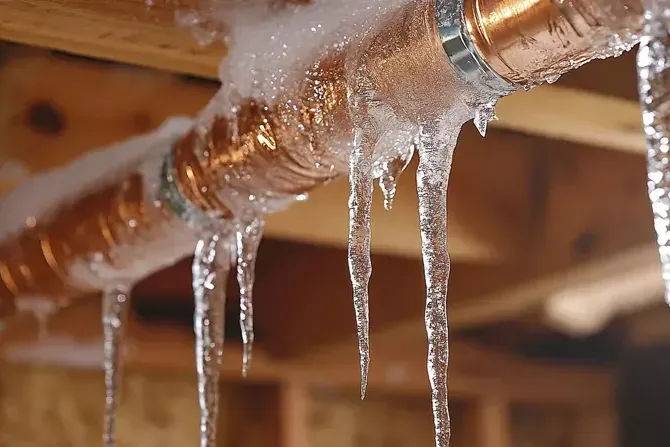
The drying team checks connected materials and keeps a clear record through the final moisture readings.