Water Damage Restoration in Canton
A wet floor can conceal damage beneath cabinets, inside partitions and below finished rooms. Restoration starts by finding that hidden spread, removing accessible water and measuring what still needs drying.
(888) 480-6221Discuss the damage beneath the surface Describe the source, affected rooms and any electrical concerns before entering a water damaged space.
Make the wet space safer to assess
- Keep the doorway clear People and pets should stay outside rooms with standing water, sagging finishes or possible contamination until hazards are assessed.
- Stop a reachable supply An accessible shutoff may limit a plumbing release when it can be reached without crossing water or approaching damaged equipment.
- Record from dry ground Photographs of visible damage, furniture and water marks help preserve a useful record without disturbing materials or entering unsafe areas.
- Protect unaffected belongings Move dry items away from the boundary of the loss when the route remains safe and does not cross wastewater.
- Describe the changing conditions Report new dripping, spreading water or changing ceiling shape so the assessment can account for conditions that are still developing.
Cleanup matched to the damaged space
Different water losses need different access, cleaning and drying decisions. Select the problem that best describes the property before arranging an assessment.

Water Extraction
Standing water removal reaches beyond open floor areas to edges, furniture footprints and thresholds where moisture can remain trapped.
Slab Leak Water Damage
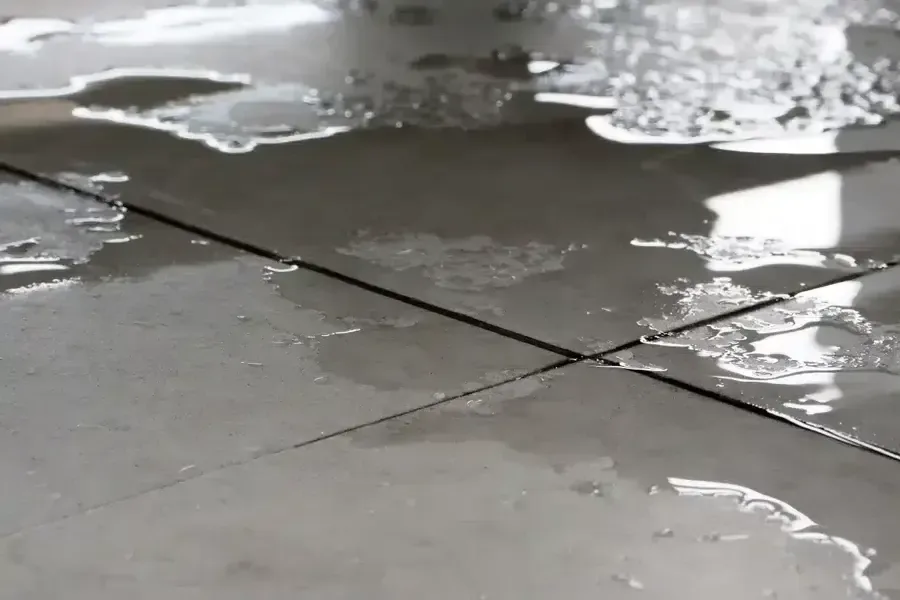
Moisture beneath a floor needs source testing before openings are made, followed by drying of the affected floor assembly.
Burst Pipe Water Damage
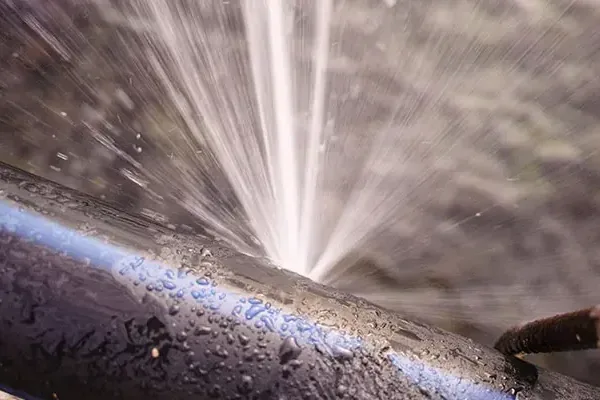
A ruptured supply pipe can soak connected rooms; cleanup follows the released water through finishes and hidden cavities.

Ceiling Leak Water Damage
Dripping overhead requires a clear exclusion area while the source, ceiling stability and wet materials above are evaluated.
Roof Leak Water Damage
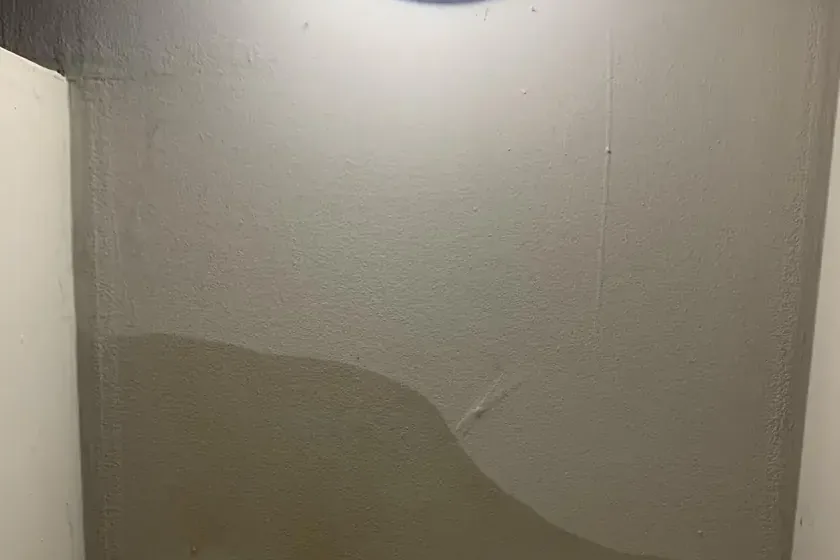
Rain entering overhead can travel along framing before appearing indoors, leaving attic insulation and ceiling edges wet.

Storm Flood Cleanup
Runoff brings sediment through entry points, requiring controlled removal, surface cleaning and a drying plan for exposed building materials.
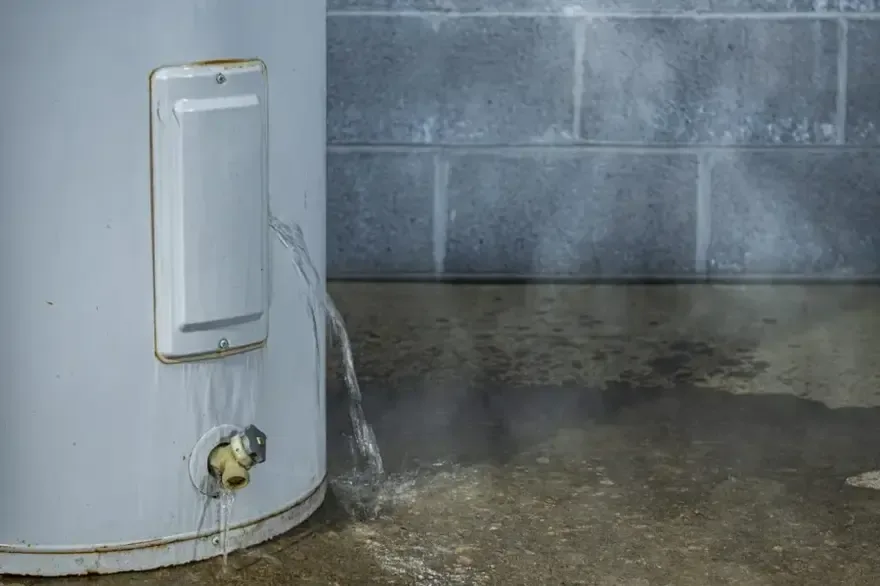
Water Heater Leak Cleanup
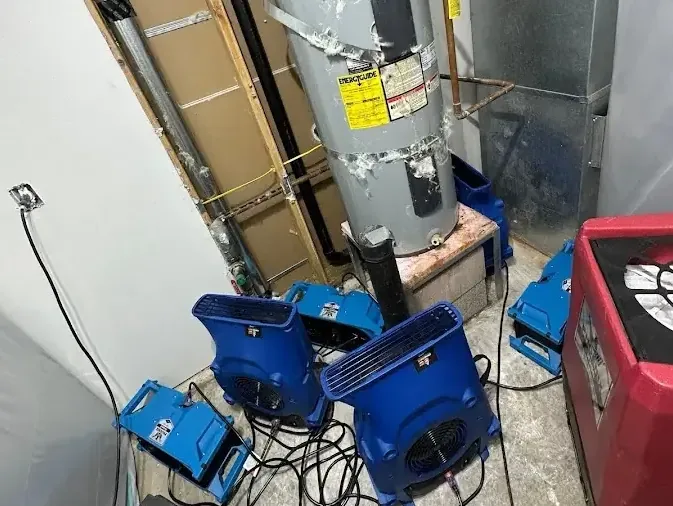
Water beneath a tank may reach wall bottoms and stored belongings before the heater failure becomes visibly obvious.
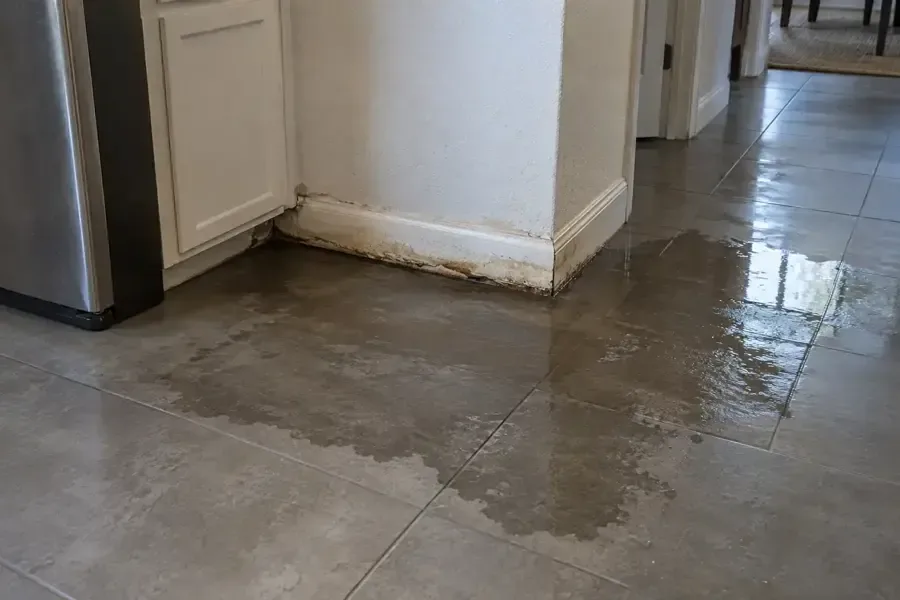
Appliance Leak Water Damage
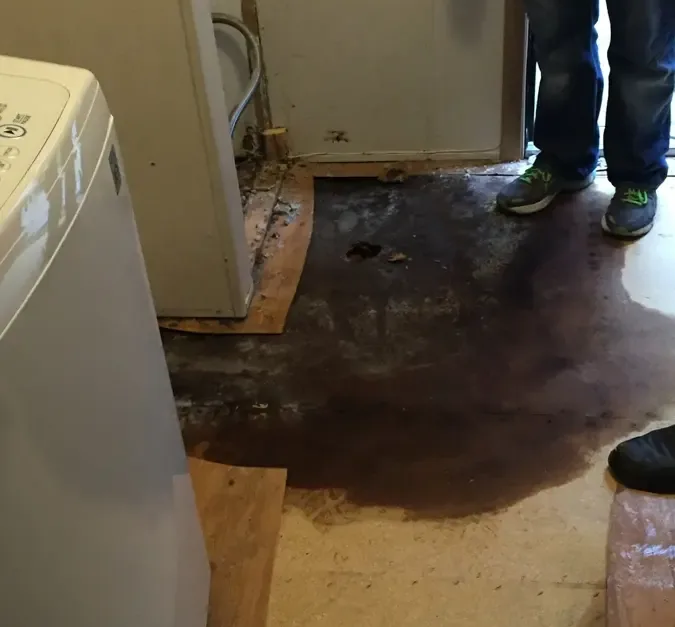
An appliance spill can hide under cabinetry and layered flooring, making access beneath the machine essential to assessing damage.
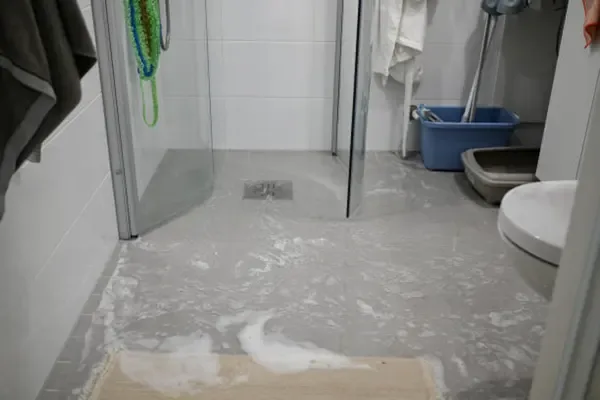
Toilet Overflow Cleanup
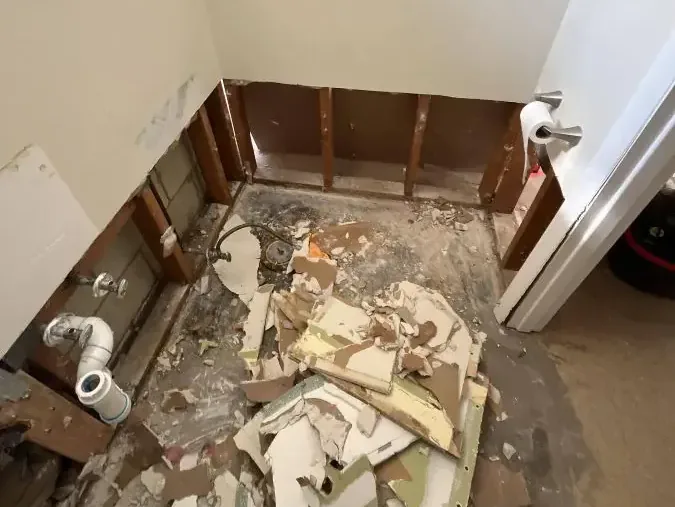
Bathroom overflow cleanup separates affected surfaces from clean rooms and checks whether water escaped beneath the threshold or fixture.

Sewage Backup Cleanup
Wastewater indoors needs restricted access, controlled disposal and cleaning before any remaining structural materials are considered for drying.

Hardwood Floor Water Damage
Raised board edges and damp seams call for moisture comparisons through the flooring assembly before decisions about refinishing.

Structural Drying
Material readings track moisture in framing, walls and floors so equipment changes follow the building's progress toward drying targets.
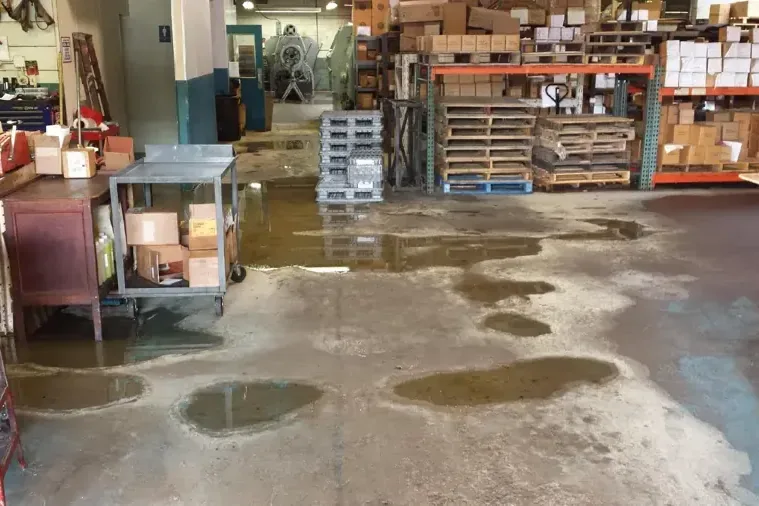
Commercial Water Damage
Business losses require practical plans for inventory, tenant access and equipment placement while wet rooms are cleaned and dried.
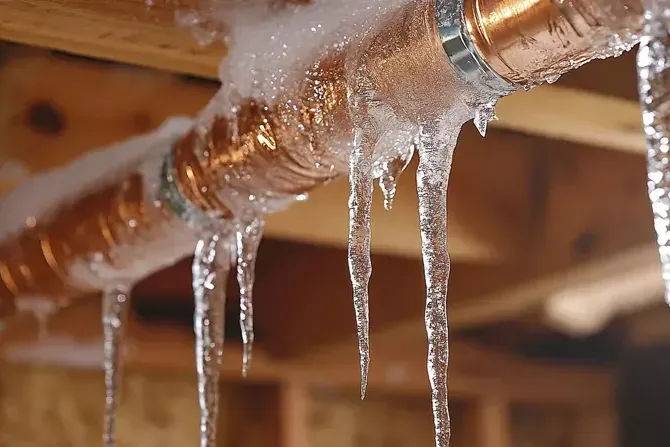
Frozen Pipe Water Damage
A pipe damaged during freezing may release water during thawing, soaking concealed areas before a puddle is noticed.

Basement Water Removal
Lower rooms need a safe pumping approach that considers continuing entry, submerged utilities and water beneath finished flooring.
The finish surface tells only part
A floor that looks dry can still cover a wet backing or subfloor. The work needs a record of the water route, the materials affected and the readings that support each decision.
- 01
Map adjoining spaces
The assessment follows thresholds, wall junctions and rooms below the source, then marks where moisture readings differ from comparable unaffected material.
- 02
Remove accessible water
Extraction clears pooled water and recoverable wet surfaces while the team evaluates materials that need opening, removal or separate handling before drying.
- 03
Adjust the drying setup
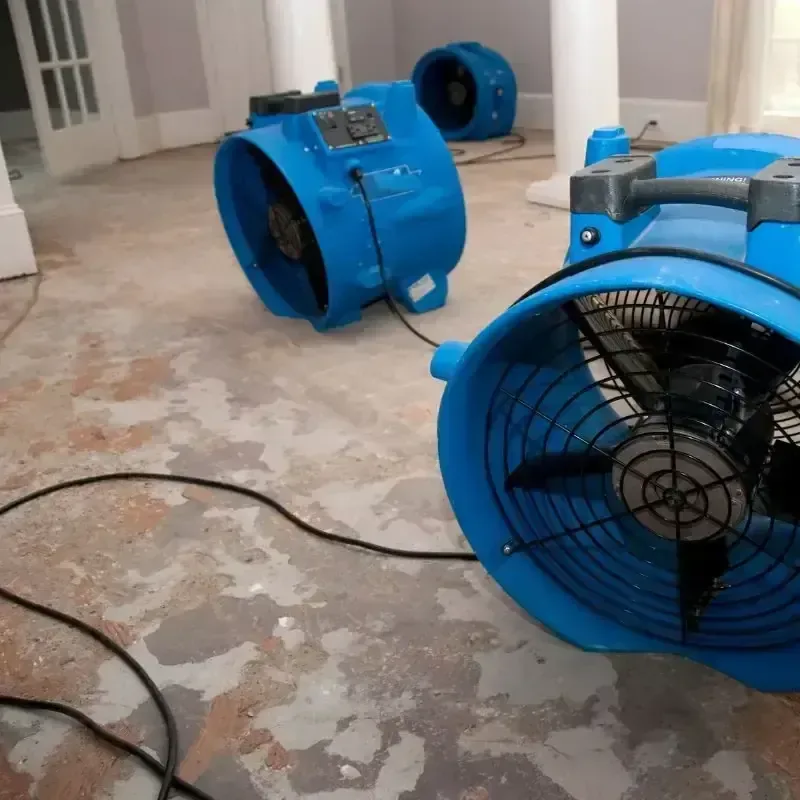
Equipment placement responds to room access, material density and moisture trends, with electrical capacity and occupied areas included in the arrangement.
- 04
Document the handoff
Closing notes identify materials retained, sections removed and any source repairs or finish work still needed before the room returns to service.
Clarity about the next decision
Homeowners need more than a count of machines. A useful assessment explains where the water traveled, which materials can remain and what finding would change the proposed cleanup scope.
Visible scope boundaries
The affected area should be described by actual rooms and assemblies, including concealed moisture that could extend beyond the first visible stain.
Material specific decisions
Floor coverings, insulation and framing respond differently to water, so removal and drying choices should reflect their condition and the water source.
Useful progress records
Moisture notes connect equipment adjustments with changes in the building, helping explain why a stubborn wet area needs more access or time.
Clear repair coordination
Source repair, cleanup and finish replacement have different purposes; the work plan identifies dependencies so repairs do not close over remaining moisture.
Separate supply water, spills and wastewater
Pressurized plumbing escape
A broken pipe can keep feeding a loss until its supply is isolated, leaving several connected assemblies wet.
Trace a pipe releaseWater beneath an appliance
A small puddle may hide a larger spread behind a machine or under a cabinet base and floor.
Check concealed appliance moistureContaminated drain return
Sewage reaching living space calls for exclusion and controlled cleaning before decisions about retaining absorbent materials or furnishings.
Plan wastewater containmentWhat affects restoration costs in Canton?
Restoration costs depend on water depth, contamination, the materials reached and access to concealed damage. A small accessible release differs from flooding across finished rooms. The assessment should explain removal, drying and repair boundaries before a price is accepted.
- Accessible wet surfaces
- Targeted material checks
- Compact drying area
- Several affected assemblies
- Expanded moisture mapping
- More equipment access
- Broad contamination handling
- Complex material removal
- Multiple drying zones
These planning ranges describe cleanup scope, with the actual estimate tied to observed conditions. Ask whether plumbing repairs, replacement finishes and disposal are included or priced separately in the written proposal.
Connect damage to the work
A claim record is easier to follow when photographs, damage descriptions and work notes tell the same story. Policy questions belong with the insurer; cleanup documentation records the physical loss.
When paying directly
A written scope helps compare proposals by the work included, rather than by the equipment count alone. Ask which rooms, materials and disposal tasks the amount covers.
If new damage appears during opening, request an explanation of the changed conditions and the added work. Keep the original estimate alongside any later scope revisions for reference.
- Photograph affected rooms before belongings are moved.
- Record when the first water was noticed.
- Keep repair invoices and cleanup scope documents.
- List damaged belongings with supporting purchase details.
- Retain moisture logs and final material notes.
Examples of water damage assessment and cleanup
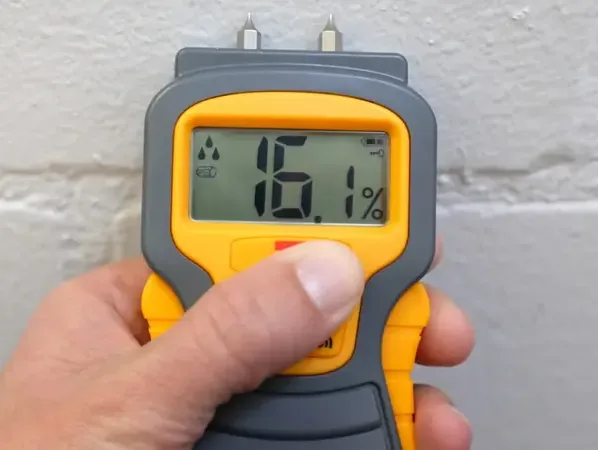
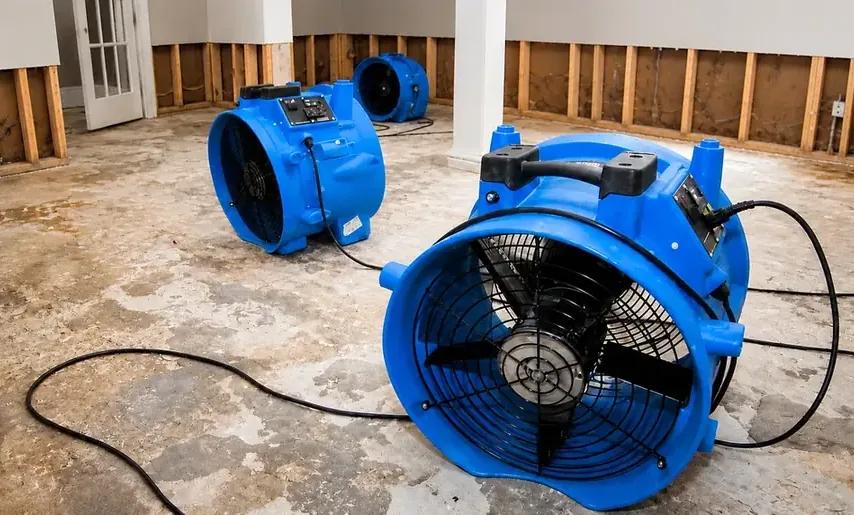
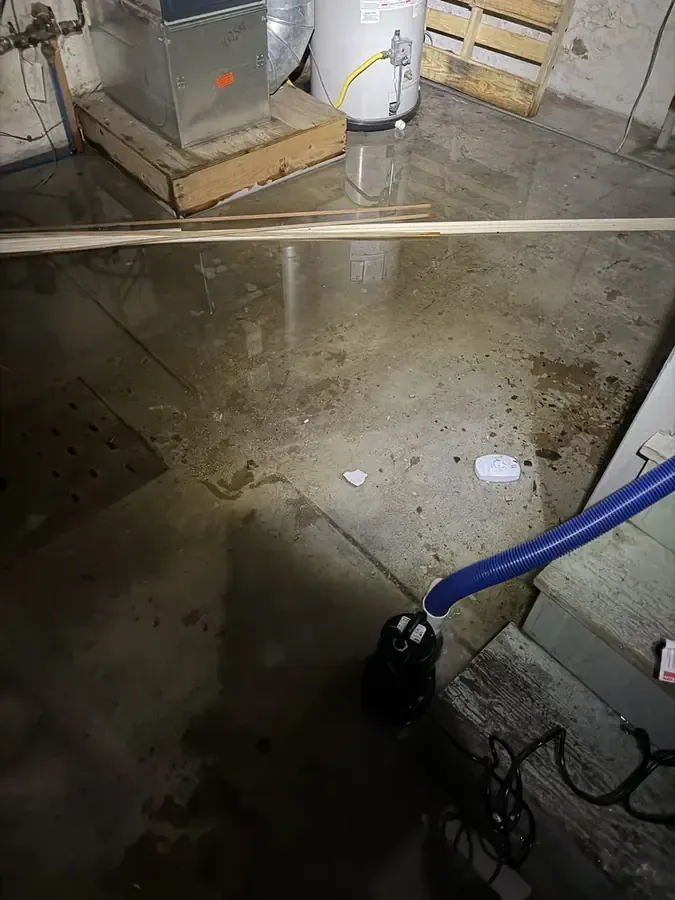
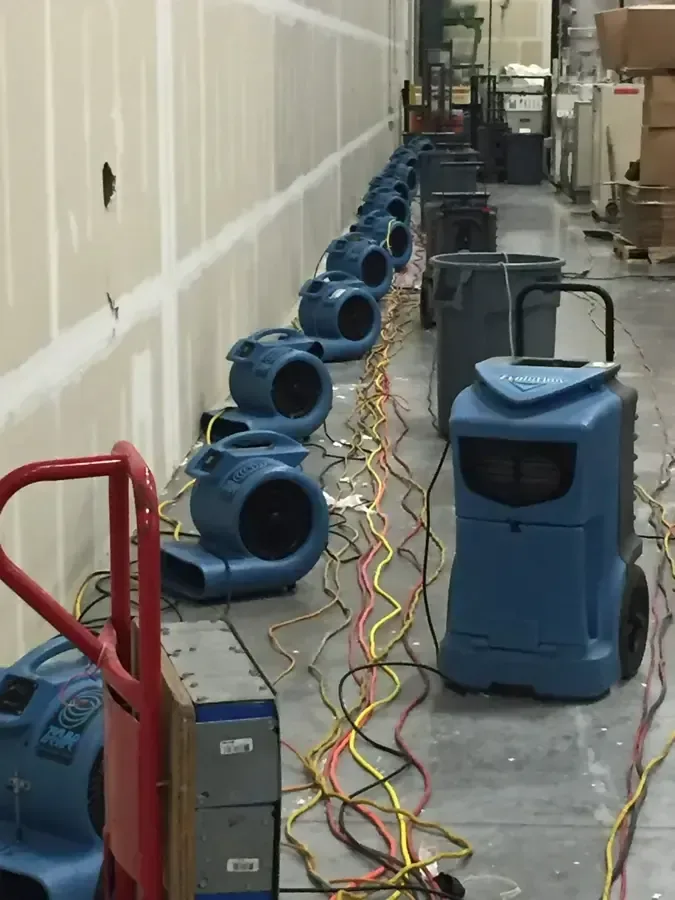
Canton cleanup assessment details
Areas and access references
Town ZIP code
Nearby service areas
Describe the room as well as the location
Useful access details include the affected level, available dry entrance and any locked interior rooms. Mention whether a tenant, owner or property manager controls access to the damaged space.
For a shared building, identify who can authorize opening finishes and who can arrange entry to adjoining units. Those details help prevent gaps in the inspection.
Plan before arranging cleanup
Compare wet area, drying conditions and safe access.
Nearby service areas
Water damage articles
Read about water entry, material drying and claim records.
Read the water damage articlesLocal drainage and varied buildings
The Canton River connects Bolivar Pond and Forge Pond before reaching the Neponset River. Indoor cleanup still starts with the entry point and the materials that water actually reached.
July 10, 2025: Canton was among the towns receiving 4 to 6 inches of rain, a useful reminder to document storm entry promptly.
- Pond connections Pequid Brook was dammed to form Reservoir Pond. After rainfall, note the actual doorway, joint or opening where water enters the building.
- Wetland settings Eastern wetlands lie along Route 138, while western wetlands run along I-95. Keep drainage observations separate from indoor plumbing symptoms during assessment.
- Historic district buildings Housing styles in Canton Corner Historic District span more than 250 years. Identify the actual wall and floor layers before planning access.
- Mixed occupied spaces Canton Center has mixed-use development. Water moving between occupied spaces needs coordinated entry and inspection of adjoining rooms as well as visible damage.
- Town drainage maintenance The town maintains a written Stormwater Management Program. Property cleanup also needs direct observation of blocked openings, accumulated debris and continuing interior seepage.
Questions after water gets inside
Does a dry surface mean cleanup is finished?
Moisture can remain beneath flooring or inside a wall after the exposed surface changes appearance. Completion should rely on readings from the affected materials, compared with suitable dry references, together with the condition of any retained finishes.
What information matters most before an assessment?
Describe whether water is still arriving, which rooms are affected and whether any electrical equipment or ceiling has been exposed. A dry entrance, the position of the source and access to rooms below also help define the initial inspection.
Should furniture stay on a wet floor?
Furniture can obstruct extraction and transfer staining to damp surfaces. Accessible items may need relocation or protection, but heavy pieces and belongings in contaminated areas require planned handling. Photograph their original position when it is safe to do so.
How are hidden wet areas located?
Visual inspection is combined with moisture measurements around seams, wall bottoms and adjoining spaces. Where finishes prevent a useful assessment or trap moisture, selective access may be needed. The proposed opening should have a clear purpose before work begins.
Can every soaked material be dried in place?
Some materials lose shape, strength or cleanliness after wetting and need removal. Others may remain when their condition and accessibility permit effective drying. The water source, exposure and construction details matter more than the appearance of the room alone.
Who repairs the leak itself?
The source may require a plumber, roofing contractor or another appropriate repair provider. Restoration deals with the resulting water and damaged materials. The schedule should connect source control with cleanup so new water does not undo completed drying work.
What changes when the water contains sewage?
Access and movement need tighter control to keep contamination from spreading into clean rooms. Affected absorbent materials may require disposal, while suitable hard surfaces need cleaning. Drying equipment is arranged after the contamination handling plan has been established.
Are cleanup and rebuilding the same estimate?
An estimate may cover only removal, cleaning and drying, with reconstruction addressed separately. Ask for a written description of included rooms, disposal and equipment work, along with any exclusions. This makes later repair decisions easier to understand and compare.
How should an active ceiling drip be handled?
Keep people away from the area underneath, especially when the finish bulges or sags. Avoid touching fixtures or puncturing the ceiling. Report the shape of the damage and any possible upstairs source from a position that remains dry and safe.
Turn visible damage into a clear scope
A useful next step identifies the source, affected assemblies and access needed to remove water and begin controlled drying.