Slab Leak Water Damage in Canton
An unexplained damp floor needs a traced source before demolition. A concealed supply leak can leave moisture beneath finishes, where cleaning the surface does little to resolve the underlying water damage.
(888) 480-6221Explain the recurring floor dampness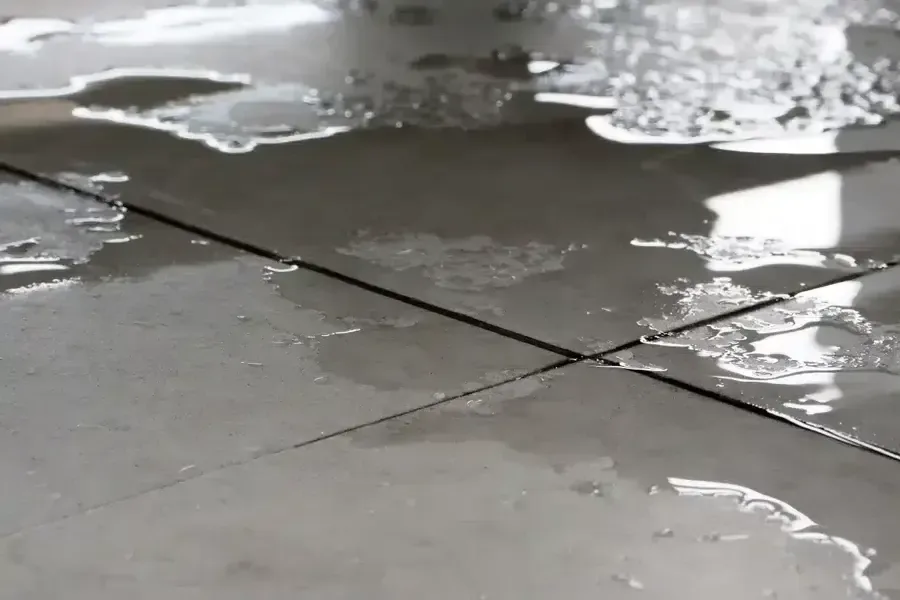
First steps for slab leak water damage in Canton
- Mark recurring symptoms
Photograph the damp patch and its edges from an accessible position, noting whether the area changes after normal plumbing use or source isolation.
- Arrange source testing
A plumber should investigate suspected concealed supply failure before floor opening is treated as the solution to an unexplained wet surface.
- Preserve access details
Identify fixed cabinets, heavy furnishings and adjoining rooms that could restrict inspection or make access to the wet assembly more involved.
- Keep repairs sequenced
Source repair, material removal and finish replacement need a coordinated order so newly installed coverings do not conceal unresolved moisture beneath them.
What does slab leak water damage cost in Canton, MA?
Slab leak water damage costs in Canton reflect access to the affected floor, the layers that require removal and the moisture left after plumbing repair. Ask for separate descriptions of source repair, drying and replacement flooring when comparing the proposed scope.
- Targeted edge opening
- Limited finish removal
- Substrate moisture checks
- Covering and backing
- Adjacent wall assessment
- Broader drying access
- Larger removal footprint
- Multiple material conditions
- Detailed repair coordination
Cost factors: Water category, wet square footage, material class and the time before drying starts shape the scope. Access beneath cabinets, retained insulation and multiple affected levels increase the work.
Use the water damage cost calculator to compare conditions. These typical ranges are planning estimates, not a quote for the property.
How slab leak water damage proceeds
Compare visible symptoms and readings
The inspection maps recurring wet areas, changes at seams and moisture along nearby wall bases. It also identifies the actual floor layers where access permits. These observations define the damage investigation while plumbing tests determine the location and nature of any concealed supply fault.
Plan a purposeful opening
The proposed access separates plumbing repair needs from restoration needs. Damaged coverings, trapped wet backing and inaccessible edges are considered individually. The written scope explains which openings are necessary to expose moisture and which materials may remain for further evaluation after the source is controlled.
Dry the exposed assembly
Moisture removal is matched to the materials left in place and the available evaporation path. Equipment does not replace access where a covering traps water. Progress readings track the affected substrate and adjoining materials so persistent wet spots can receive a revised approach when necessary.
Prepare a documented flooring handoff
The closing record identifies the repaired source, removed layers and remaining material readings. The flooring provider can then evaluate the substrate against the requirements for the intended replacement. Any unfinished plumbing patch or remaining access opening should be stated clearly before decorative work begins.
A recurring wet patch in a Canton room calls for a different investigation from a visible appliance spill. The first question is whether a pressurized pipe is feeding the floor assembly. Plumbing testing establishes that source; restoration then addresses the water already held in the materials around it.
Describe recurring dampness, tested plumbing and inaccessible floor edges so the conversation can distinguish source investigation from work on wet building materials.
(888) 480-6221Explain the recurring floor dampnessUse the building's actual construction
The David Tilden House and Bessie Estey House represent different housing eras in the Canton Corner Historic District. For a damaged property, the inspection needs its actual floor buildup: the finish, backing, substrate and accessible edges. Those layers determine where moisture can be measured and how repair access should be planned.
- Lifted seams may reveal movement in a wet finish layer.
- Damp skirting can show that moisture has reached a partition.
- Adhesive deterioration can complicate retaining an otherwise intact covering.
- A covered floor needs checks beyond its exposed perimeter.
Opening a large area without a source location can create avoidable repair work. A coordinated scope records the plumber's access needs, the restoration access needed to reach wet layers and the finish areas already damaged. Those boundaries may overlap, but each has a clear purpose.
Resolve moisture below the clean surface
Concrete and a finished floor do not respond to drying in the same way. A covering can slow moisture release from the material beneath it. The assessment therefore considers whether that covering can remain, whether removal exposes a usable drying path and what conditions a replacement finish will require.
Rooms near Pleasant Street or Washington Street need the same property specific investigation: symptoms should be mapped across the actual assembly. A damp floor edge may connect to a wet wall base, while a separate dry area provides a useful comparison for readings taken during the work.
Coordinate closure with the next trade
Once the supply fault is repaired, fresh readings help distinguish remaining stored moisture from continuing wetting. Structural drying can then be adjusted around exposed materials. Surface appearance alone is a poor basis for installing a moisture sensitive floor covering over a recently affected assembly.
Keep plumbing repair notes, photographs of exposed layers and the drying record together. This makes it easier to explain why some finishes were removed while others remained. If boards are affected, the hardwood floor assessment also considers movement, attachment and moisture below the visible wood.
The town restoration page connects related cleanup options. When describing the problem, include where dampness returns, whether plumbing has been tested and which floor areas remain covered by cabinets or fixed furnishings.
Slab Leak Water Damage and the IICRC S500 standard
Moisture measurements
The technician compares wet materials with an unaffected reference of the same kind. Surface touch alone cannot show whether the full assembly has reached its drying goal.
Equipment adjustment
The drying team records temperature and relative humidity, then adjusts airflow and dehumidification when a cavity or dense material stops improving. Equipment stays until readings support removal.
Written progress
The restoration contractor records the initial condition, removal decisions and final readings. A dated record helps the homeowner understand what remains before repairs close the affected area.
Safe work boundaries
The response team separates wet work from occupied rooms, checks equipment power requirements and keeps exit routes open. Occupants keep children and pets clear of hoses and cords.
slab leak water damage service in Canton
Floor damage assessments can account for access near Ponkapoag, Pleasant Street and Washington Street, including fixed furnishings and the rooms adjoining a recurring damp patch.
The same service nearby: slab leak water damage in Milton, Randolph, Dedham.
Slab Leak Water Damage questions in Canton, MA
Does a damp floor always mean a slab leak?
Several sources can produce floor moisture, including nearby appliances and water entering through the building enclosure. The source needs investigation. Plumbing testing is especially useful when a concealed supply failure is suspected but no exposed fitting is visibly leaking.
Can cleanup begin before the pipe is repaired?
Accessible water may need removal while repair is being arranged, provided conditions are safe. Lasting drying progress depends on stopping the release. The scope should explain any temporary work and how the source repair affects the rest of the schedule.
Will the whole floor need to come up?
Removal depends on the location of trapped moisture, the type of covering and its condition. A limited opening may provide useful access, while broader damage can require more removal. The inspection should connect each proposed opening with a specific material problem.
Why measure a nearby dry area?
A comparable unaffected area helps interpret moisture readings from the damaged assembly. The comparison is most useful when materials and conditions are similar. It supports drying decisions alongside the condition of the covering, substrate and any wall material reached by water.
Can new flooring go down after surface cleaning?
A clean surface may still cover moisture that affects a replacement floor. The substrate needs assessment after source repair and drying. Installation decisions should include the requirements of the intended flooring system rather than relying only on how the surface looks.
What belongs in the repair record?
Keep the plumber's findings, the location of openings and photographs of the exposed floor layers. Add moisture notes and the final cleanup scope. Together these records explain both the original source and the condition left for the next repair trade.
Related water damage services in Canton


Give the wet floor a traced repair path
A clear source location and material map help connect plumbing repair with the drying and flooring decisions that follow.