Slab Leak Water Damage in Randolph
A damp floor that returns after wiping needs a source investigation. Cleanup follows the moisture through finishes and wall bases while plumbing assessment determines whether a concealed supply leak is responsible.
(888) 480-6221Explain the recurring floor dampness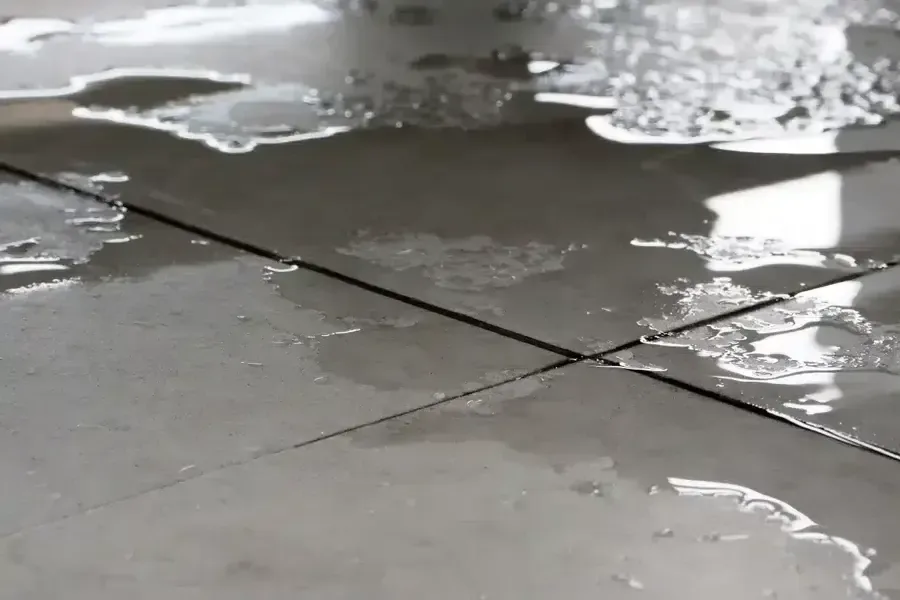
First steps for slab leak water damage in Randolph
- Mark the recurring area
A photograph and a simple room description can show where dampness returns without requiring occupants to lift flooring or open the concrete themselves.
- Arrange source investigation
A plumbing assessment should establish whether a supply leak is active and identify a safe way to isolate it before repair access is planned.
- Leave wet finishes exposed
Avoid placing rugs, storage boxes or temporary coverings over the damp area, since they can conceal changes and obstruct the inspection of floor edges.
- Coordinate the repair opening
The repair trade and restoration scope should identify their access needs so source correction and damaged material removal can proceed with a clear boundary.
What does slab leak water damage cost in Randolph, MA?
Slab leak water damage restoration in Randolph varies with access to the wet floor layers and the extent of finish damage. These ranges support cleanup planning. Leak location, plumbing correction, concrete repair and replacement flooring should be clearly distinguished in the written scope.
- Limited finish access
- Perimeter moisture checks
- Exposed substrate drying
- Covering removal decisions
- Adjoining wall inspection
- Broader drying setup
- Larger affected assembly
- Complex material access
- Detailed repair handoff
Cost factors: Water category, wet square footage, material class and the time before drying starts shape the scope. Access beneath cabinets, retained insulation and multiple affected levels increase the work.
Use the water damage cost calculator to compare conditions. These typical ranges are planning estimates, not a quote for the property.
How slab leak water damage proceeds
Trace moisture across the assembly
The inspection records the visible patch and checks adjacent flooring, wall bases and transitions. Readings are compared across the area to map the affected layers. Plumbing findings are considered alongside that map so the water source and the visible damage remain distinct parts of the assessment.
Agree on targeted access
The scope identifies which covering or trim prevents inspection and where a repair opening is needed. Materials are evaluated for physical damage and ability to remain. Access decisions should preserve unaffected areas while exposing enough of the wet assembly for cleaning, measurement and effective drying afterward.
Dry the retained substrate
Following source correction, accessible water is removed and retained concrete or adjoining materials are dried with suitable equipment. The arrangement depends on the installed layers and available drying surfaces. Readings help show whether a covered edge or dense section needs a revised approach before finish replacement.
Document readiness for flooring
The closing assessment records conditions in the substrate and nearby materials, together with any remaining repair work. A flooring installer may have specific moisture requirements for the intended covering. The handoff should provide usable measurements so a new finish is not selected solely because the exposed surface looks dry.
The damp patch may be beside a wall while the source sits beneath another part of the room. Slab leak water damage work in Randolph should begin by distinguishing a plumbing release from water entering elsewhere. The cleanup scope then follows the affected floor assembly, including coverings that keep moisture concealed.
Persistent dampness deserves a source and material assessment before new flooring covers the spot. Describe the recurring patch, adjoining wall and current floor finish.
(888) 480-6221Explain the recurring floor dampnessLocate the source before expanding an opening
For a property in New Dublin, the location can be described using Warren Street, Silver Street or Fowler Street. Inside the building, a useful description identifies the wet seam, recurring spot or adjoining wall. A plumbing professional can investigate the suspected supply leak while restoration measurements map the damage above it.
Cutting concrete and removing finishes are separate decisions. The plumber needs access to correct the source, while restoration needs access to clean or dry affected materials. Coordinating those decisions can avoid opening an unrelated area merely because moisture appeared there first. The proposed access should have a stated purpose.
- Compare repeated damp areas with the layout of nearby fixtures.
- Inspect flooring transitions where trapped moisture can become visible.
- Record lifted edges, loose adhesive or softened wall trim.
- Separate source repair access from removal of damaged finishes.
Assess what sits on the concrete
A resilient covering, wood floor and carpet assembly respond differently to moisture underneath. The assessment should identify the installed layers and their condition rather than treating the entire room as a bare slab. Water trapped below a covering may require lifting selected materials to make the substrate accessible.
Nearby wall bases also matter. A wet floor edge can feed moisture into trim or wallboard while the open center appears to improve. Measurements at the perimeter help define how far the inspection should extend. At a property around Tower Hill, inspection identifies the installed floor construction before access is planned.
Prepare the substrate for the next finish
After the source is repaired, removal and structural drying address what remains wet. Concrete and adjoining materials need suitable moisture assessment before a replacement covering is installed. A surface that looks pale or feels dry can still require attention below a moisture sensitive finish.
Where boards have changed shape, hardwood floor water damage assessment adds a closer look at the wood and subfloor. The final scope should record retained layers, removed finishes and repair access. General property restoration options remain available through the town hub when water has crossed into another room.
Slab Leak Water Damage and the IICRC S500 standard
Moisture measurements
The technician compares wet materials with an unaffected reference of the same kind. Surface touch alone cannot show whether the full assembly has reached its drying goal.
Equipment adjustment
The drying team records temperature and relative humidity, then adjusts airflow and dehumidification when a cavity or dense material stops improving. Equipment stays until readings support removal.
Written progress
The restoration contractor records the initial condition, removal decisions and final readings. A dated record helps the homeowner understand what remains before repairs close the affected area.
Safe work boundaries
The response team separates wet work from occupied rooms, checks equipment power requirements and keeps exit routes open. Occupants keep children and pets clear of hoses and cords.
slab leak water damage service in Randolph
Properties in New Dublin and around Tower Hill can request floor moisture assessment, including inspection of wet coverings, wall bases and access for source repair.
The same service nearby: slab leak water damage in Milton, Braintree, Canton.
Slab Leak Water Damage questions in Randolph, MA
Does recurring dampness always identify a slab leak?
Recurring floor moisture calls for investigation of the source and the path through the building. Plumbing testing, the room layout and moisture mapping help distinguish a concealed supply leak from other entry. Cleanup should follow those findings rather than an assumed pipe location.
Must the whole floor covering come out?
Removal depends on the material, damage, contamination and access needed below it. A localized opening may reveal whether moisture extends farther. The scope should explain which layers can remain and why other sections prevent effective assessment or drying of the substrate.
Can a concrete surface hold moisture?
Concrete can retain moisture even after visible water has been removed. Coverings may slow drying by limiting exposed surface area. Appropriate readings and the intended replacement finish help determine when the substrate is ready for the next stage of work.
Who repairs the concealed pipe?
A plumbing professional locates and corrects the failed supply component. Restoration work addresses affected finishes and retained moisture. The two scopes should coordinate access and the repair sequence so the pipe correction can be checked before the assembly is closed again.
Why inspect walls when the floor is wet?
Water at a floor perimeter can reach trim, wallboard and other absorbent materials. Those edges may stay wet longer than an exposed central area. Checking them helps prevent a floor only scope from missing a connected section of the damaged room.
When can replacement flooring be scheduled?
Scheduling should follow source correction and a suitable moisture assessment of the remaining assembly. The installer needs a substrate that meets the intended covering's requirements. Restoration records can support that decision and identify any concrete repair or other preparation still required.
Related water damage services in Randolph


Resolve the source before recovering the floor
Plan access, cleanup and substrate checks around the materials actually wet inside the room.