Slab Leak Water Damage in Braintree
A damp patch that returns over concrete needs its source traced before flooring is replaced. Assessment separates plumbing correction from the wet finish layers and substrate that still require drying.
(888) 480-6221Trace recurring moisture below flooring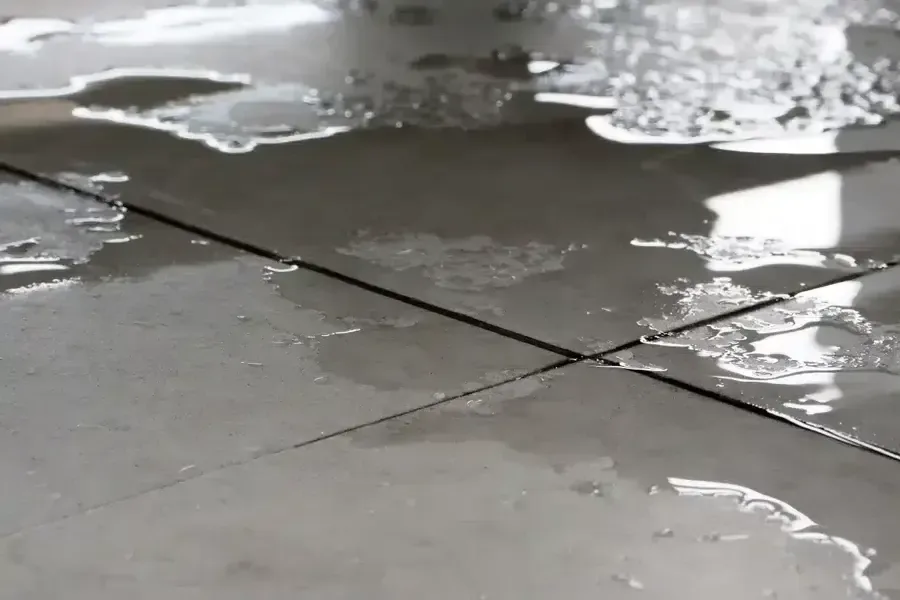
First steps for slab leak water damage in Braintree
- Mark the returning patch
Record the location of repeated dampness and any nearby lifted seams without prying at finishes or opening the floor with household tools.
- Arrange source investigation
An appropriate plumbing assessment locates the suspected failure and determines safe repair access before demolition expands beyond the area that needs opening.
- Protect the repair boundary
Keep occupants away from loose flooring and exposed openings. Move dry contents only where access does not cross the affected or unstable surface.
- Retain the material record
Save photographs of flooring layers and the pipe access area so the cleanup scope and subsequent replacement estimate describe the same affected assembly.
What does slab leak water damage cost in Braintree, MA?
Slab leak water damage work in Braintree varies with access to the wet floor layers, the spread beyond the repair opening and the substrate drying needs. Plumbing location, pipe repair and finish replacement should be identified separately from restoration charges in the written scope.
- Limited finish opening
- Exposed wet perimeter
- Focused moisture checks
- Underlayment removal needs
- Broader substrate exposure
- Multiple drying locations
- Larger damaged assembly
- Restricted perimeter access
- Detailed replacement coordination
Cost factors: Water category, wet square footage, material class and the time before drying starts shape the scope. Access beneath cabinets, retained insulation and multiple affected levels increase the work.
Use the water damage cost calculator to compare conditions. These typical ranges are planning estimates, not a quote for the property.
How slab leak water damage proceeds
Correlate moisture with the source
The inspection maps damp finishes and compares their pattern with the plumbing investigation. This separates the leak access point from the broader water damage footprint. Notes identify nearby cabinets, partitions and floor transitions that might conceal spread or restrict the equipment and access required for subsequent drying work.
Open only the necessary layers
Removal follows the source findings and the condition of the finish system. Deteriorated or obstructing layers are lifted to expose wet surfaces, with the work area kept protected. Concrete repair access and restoration removal are documented separately so the owner can understand the purpose of each opening.
Manage moisture at the substrate
Drying conditions are adjusted to the materials that remain after pipe correction. The plan accounts for exposed concrete, adjoining walls and retained floor sections. Repeat readings help locate moisture pockets or continued entry, and equipment placement changes when an edge or recess is not responding as expected.
Define the flooring handoff
The final assessment records substrate conditions and any outstanding repair needs before installation is scheduled. The flooring contractor checks compatibility with the proposed finish and adhesive. This handoff connects measured moisture with the replacement specification and avoids relying solely on how the surface feels beneath a hand.
Repeated dampness at a flooring seam can be the first visible sign of water moving below the finish. For a Braintree property with an affected concrete floor, the investigation starts with the actual assembly and water source. It needs to establish where plumbing access is required and where moisture has spread beyond that opening.
Recurring damp seams deserve a source and material assessment together. Describe when the patch returns and whether any floor finish has lifted or softened.
(888) 480-6221Trace recurring moisture below flooringLocate the failure before opening the floor
The water service responsibility changes at the property boundary: the owner maintains the portion on the property, while the municipal system maintains the portion beneath the road. Source location therefore matters to coordination as well as demolition. The cleanup scope addresses interior damage, with plumbing investigation and repair handled as distinct work.
Near Sunset Lake, a damp floor may have several possible entry routes. The inspection compares the pattern with plumbing observations and surrounding conditions before access is selected. No flooring should be cut simply because a stain sits above the suspected pipe. A deliberate opening helps preserve sound surrounding material.
- Record where seams lift and where dampness returns after wiping.
- Check adjoining wall bases for moisture extending above the floor.
- Identify finishes that prevent access to the underlying concrete surface.
- Keep repair openings protected until the work area is ready.
Separate the concrete from its coverings
Concrete, adhesive, underlayment and the finish floor behave differently when wet. A surface covering may look normal while moisture remains underneath. Measurements and targeted access help determine which layers can dry in place. Deteriorated underlayment or detached finishes may require removal even where the concrete itself remains structurally usable.
A room near Pond Meadow Park may include cabinetry or fixed shelving that limits access at the perimeter. Those obstructions belong in the scope before equipment is placed. Water extraction handles accessible liquid, while the slower release from retained layers needs a separate drying strategy and repeated observation.
Prepare for the replacement material
The end point depends on the floor system planned for the room. A coating, adhesive or wood finish can have its own substrate requirements. Structural drying documentation should identify the locations measured and distinguish progress in the concrete from a dry looking surface or a corrected pipe.
For owners around Weymouth Landing, the practical handoff includes the pipe repair location, the exposed floor area and the material condition before rebuilding. If finished boards were affected, hardwood floor assessment can address their shape and attachment. Reclosing the floor follows that evaluation, keeping access and replacement choices connected to the damage actually found.
Slab Leak Water Damage and the IICRC S500 standard
Moisture measurements
The technician compares wet materials with an unaffected reference of the same kind. Surface touch alone cannot show whether the full assembly has reached its drying goal.
Equipment adjustment
The drying team records temperature and relative humidity, then adjusts airflow and dehumidification when a cavity or dense material stops improving. Equipment stays until readings support removal.
Written progress
The restoration contractor records the initial condition, removal decisions and final readings. A dated record helps the homeowner understand what remains before repairs close the affected area.
Safe work boundaries
The response team separates wet work from occupied rooms, checks equipment power requirements and keeps exit routes open. Occupants keep children and pets clear of hoses and cords.
slab leak water damage service in Braintree
Slab leak damage assessments in Braintree consider the actual floor assembly, including properties around Sunset Lake and Weymouth Landing where access varies by building.
The same service nearby: slab leak water damage in Milton, Randolph, Quincy.
Slab Leak Water Damage questions in Braintree, MA
Does a warm patch identify the damaged pipe?
A temperature change can help direct an investigation, but the pipe location and failure still need assessment. The moisture map and plumbing findings should be considered together before opening finishes or deciding how much flooring requires removal.
Must the whole room floor come out?
Removal depends on the water footprint, material condition and access needed for repair and drying. Some sections may remain usable. The scope should explain why a layer must be lifted and where the removal boundary will stop.
Can concrete hold water after the leak stops?
Yes. Correcting the pipe stops the source, while the concrete and adjacent layers may still retain moisture. Drying conditions and repeated measurements address that separate problem before a new floor covering is installed over the affected area.
Who addresses the buried supply problem?
Plumbing investigation and repair belong with the appropriate plumbing contractor. Restoration handles the damaged materials and drying. Coordinating the opening, repair sequence and moisture checks keeps those tasks connected without treating the cleanup estimate as a plumbing replacement quote.
Will surface fans reach beneath attached flooring?
Air moving over a finish may not reach moisture trapped underneath. The assembly needs assessment for access, permeability and deterioration. Opening selected areas or removing damaged layers may be necessary before controlled drying can reach the wet substrate.
What should the replacement installer receive?
Useful records include the exposed layers, repaired source, moisture measurement locations and remaining substrate concerns. The installer then checks the requirements of the chosen flooring system. A photograph of a dry surface alone cannot provide that information.
Related water damage services in Braintree


Resolve the moisture beneath the finish
A coordinated opening, pipe repair and substrate assessment makes the next flooring decision more useful.