Slab Leak Water Damage in Quincy
A floor that becomes damp again after cleaning needs more than another wipe. Quincy slab leak recovery links plumbing investigation with the wet finishes, wall edges and concealed floor layers nearby.
(888) 480-6221Explain the recurring floor dampness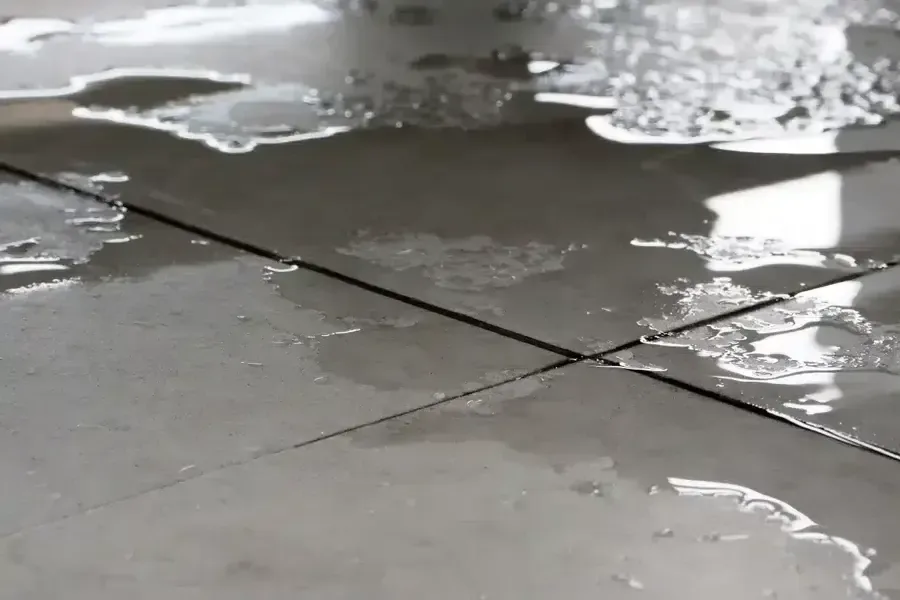
First steps for slab leak water damage in Quincy
- Track the returning patch
A written note about when dampness reappears can help the plumbing investigation, especially when the visible floor changes after normal fixture use.
- Protect the room boundary
Occupants should avoid loose flooring and any exposed access opening. A clear separation keeps routine household traffic away from active investigation and drying.
- Arrange source investigation
A plumbing professional locates and addresses the defect before replacement finishes are planned. Restoration assessment follows the materials affected by the escaping water.
- Preserve useful photographs
Images of the original patch, nearby trim and removed floor layers create a record that can explain why the work area expanded during inspection.
What does slab leak water damage cost in Quincy, MA?
Slab leak water damage work in Quincy spans example scopes from $1,500 to $6,000+. The floor layers, repair opening and moisture spread influence the estimate. Plumbing correction and replacement flooring should be identified separately from access, removal and drying.
- Exposed wet boundary
- Limited finish removal
- Localized drying access
- Adjoining trim damage
- Multiple floor materials
- Expanded moisture checks
- Broad substrate wetness
- More access openings
- Complex finish coordination
Cost factors: Water category, wet square footage, material class and the time before drying starts shape the scope. Access beneath cabinets, retained insulation and multiple affected levels increase the work.
Use the water damage cost calculator to compare conditions. These typical ranges are planning estimates, not a quote for the property.
How slab leak water damage proceeds
Compare wet and unaffected surfaces
The assessment establishes where moisture appears in the floor assembly and checks adjacent materials for related changes. Suitable comparison areas help interpret the readings. The initial map records symptoms without treating every mark or loose finish as evidence of the same plumbing problem.
Link repair access with restoration
Plumbing investigation may require an opening that exposes wet concrete or concealed layers. Restoration planning accounts for that opening and the separate moisture boundary. The work sequence aims to provide access for the repair while keeping debris, equipment and occupants in clearly defined areas.
Dry the accessible affected layers
Following source control, retained materials are assessed for drying. Floor coverings that obstruct access or have lost integrity may need removal. Equipment and ventilation are selected around the exposed assembly, with repeated measurements used to judge whether the remaining moisture is continuing to decline.
Prepare the finish replacement decision
The closing record describes which layers remain and what conditions were measured. Replacement flooring may have specific substrate requirements that need separate confirmation. The owner receives a distinction between completed water damage work, plumbing repairs and the installation decisions still belonging to the finishing stage.
A damp patch at the edge of a concrete floor can have a larger footprint beneath the finish. The restoration task is to connect the visible symptom with wet materials while a plumbing professional investigates the source. Repeated surface cleaning cannot resolve an active escape beneath the room.
Recurring moisture needs assessment of the floor assembly, adjoining wall edges and the plumbing repair access beneath the room.
(888) 480-6221Explain the recurring floor dampnessBegin with a floor map
Montclair lies along West Squantum Street. At a residential property there, the useful starting description is the room containing the dampness, whether the patch returns and which nearby surfaces have changed. Lifted flooring, softened trim and wet cabinet bases can each point to a different part of the affected assembly.
- Record the damp boundary before coverings are lifted for access.
- Note any change after the relevant plumbing supply is isolated.
- Keep removed finish samples available for documenting affected materials.
- Separate access work for plumbing from the interior drying scope.
Concrete can retain moisture after the liquid source has stopped. A dry looking surface may therefore be an incomplete basis for replacing adhesive, resilient flooring or wood. Measurements need to suit the material and the intended finish, with the repair professional's installation requirements addressed before closure.
Coordinate openings instead of guessing
Merrymount is primarily residential, and Adams Shore is a year-round residential area. For a household in either neighborhood, opening a floor changes how the room can be used. A defined working area protects occupants from loose materials and makes the route for equipment and debris easier to manage.
The plumbing access point and the moisture boundary may not occupy the same space. Water can travel along interfaces between materials before reaching an exposed edge. Inspection around partitions and adjoining floor finishes helps distinguish a localized opening from a larger drying problem across the room.
- Check base trim beside the visible concrete moisture patch.
- Inspect transitions where different floor coverings meet each other.
- Keep replacement materials away from an actively damp substrate.
Let the remaining layers determine recovery
Some finishes must be lifted to allow investigation or because water has damaged their bond. Other materials may remain when their condition and drying access support that choice. The scope should explain the reason for each removal, including any work needed to reach an enclosed wet edge.
After the plumbing defect is addressed, material drying focuses on the floor and adjoining surfaces that still hold moisture. A useful completion record identifies the measurements, the remaining repair needs and the boundaries of the restoration work. Replacing the finish is a separate decision informed by the substrate beneath it.
Slab Leak Water Damage and the IICRC S500 standard
Moisture measurements
The technician compares wet materials with an unaffected reference of the same kind. Surface touch alone cannot show whether the full assembly has reached its drying goal.
Equipment adjustment
The drying team records temperature and relative humidity, then adjusts airflow and dehumidification when a cavity or dense material stops improving. Equipment stays until readings support removal.
Written progress
The restoration contractor records the initial condition, removal decisions and final readings. A dated record helps the homeowner understand what remains before repairs close the affected area.
Safe work boundaries
The response team separates wet work from occupied rooms, checks equipment power requirements and keeps exit routes open. Occupants keep children and pets clear of hoses and cords.
slab leak water damage service in Quincy
Floor moisture assessments are available for homes in Montclair, Merrymount and Adams Shore, with the plumbing access and affected finishes considered together for each room.
The same service nearby: slab leak water damage in Milton, Braintree, Randolph.
Slab Leak Water Damage questions in Quincy, MA
Does a damp concrete patch identify a broken pipe?
The source requires investigation. Plumbing leakage, surface entry and other moisture routes can produce different patterns. Recording when the patch appears and checking the surrounding assembly helps the appropriate professional decide what needs testing before concrete or finishes are opened.
Can the finish stay over wet concrete?
That depends on its condition and whether the underlying assembly can be assessed and dried. Some finishes trap moisture or lose adhesion. The proposed scope should explain when lifting a covering provides necessary access and when retaining it remains practical.
Why check the wall beside the floor?
Water reaching a floor edge can wet trim and adjoining wall materials. Inspecting those surfaces prevents the repair from ending at the most obvious patch. Readings and material condition determine whether an adjacent wall needs drying access or removal of damaged layers.
Is pipe repair included in drying work?
The plumbing defect and the resulting material damage are separate tasks. A coordinated plan identifies who handles the pipe and who manages wet surfaces. The repair needs to stop continuing leakage before replacement finishes can safely complete the room.
When can new flooring be installed?
The substrate must meet the requirements of the selected flooring system. A cleared room or dry surface appearance is not enough. Moisture assessment and any installation testing should be completed before adhesive or replacement finish covers the concrete again.
What should the owner keep from the work?
Useful records include photographs of the original dampness, images of opened layers, the repair description and drying measurements. An itemized scope also shows which costs relate to investigation access, water damage recovery and the separate replacement of finished surfaces.
Related water damage services in Quincy


Resolve the source before replacing the finish
A coordinated assessment connects the repair opening with the materials that still need drying and documents the next practical decisions.