Water Heater Leak Cleanup in Milton, MA
A leaking tank can send water beyond the heater closet before anyone notices. Milton restoration pros extract the spill, check nearby finishes and dry the affected floor assembly around the plumbing repair.
(888) 480-6221Follow the water beyond the tank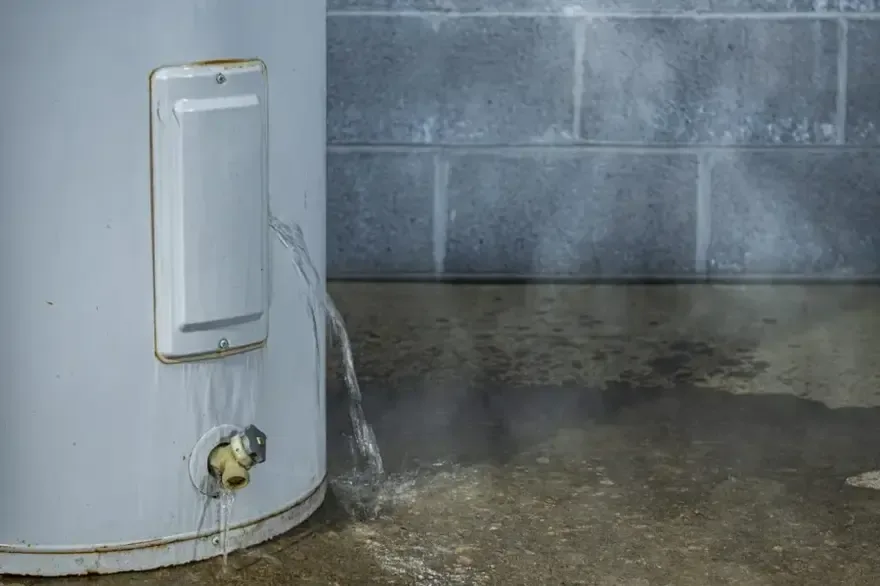
First steps for water heater leak cleanup in Milton
- Keep clear of hot water
Avoid the tank area when escaping water is hot or reaches electrical equipment. Do not touch wet switches, wiring or appliance controls.
- Use only a safe shutoff
An accessible water valve may stop the release, but do not force damaged controls. A plumber handles appliance isolation when access or operation is uncertain.
- Check the next room
From dry ground, look for water beyond the closet and at nearby wall bases. Report those rooms so the crew maps the whole spill.
- Save the appliance record
Keep source-repair photographs and replacement paperwork with the discovery timeline. The restoration contractor adds the moisture measurements and drying equipment log.
What does water heater leak cleanup cost in Milton, MA?
Water-heater spill restoration commonly costs $800 to $3,800, excluding tank replacement or plumbing repair. A contained closet release costs less than water beneath finished flooring, wall cavities or adjoining storage areas. Access and drying duration affect the total.
- Floor extraction
- Closet moisture checks
- Small drying setup
- Wall-base access
- Trim assessment
- Expanded floor drying
- Connected room mapping
- More material removal
- Longer equipment monitoring
Cost factors: Water category, wet square footage, material class and the time before drying starts shape the scope. Access beneath cabinets, retained insulation and multiple affected levels increase the work.
Use the water damage cost calculator to compare conditions. These typical ranges are planning estimates, not a quote for the property.
How water heater leak cleanup proceeds
Identify the spill route
The technician marks water around the tank and adjoining rooms, checks floor layers and coordinates with the plumber before selecting access and extraction methods. The map includes adjoining storage and the opposite side of wet partitions, where the tank spill may have traveled unnoticed.
Extract around the installation
The crew removes free water and damaged finish layers while protecting safe work space for source repair, including areas beneath shelving and at closet thresholds. The contractor keeps source-repair access available and notes surfaces that a replacement tank or shelf would otherwise cover before final checking.
Dry confined materials
The drying specialist manages airflow in the tight space, removes evaporated moisture and checks adjacent wall bases where a closed cavity can delay progress. The record separates the visible closet floor from slower hidden edges, allowing equipment changes to address the parts still retaining water.
Confirm before equipment reset
The contractor records the final substrate condition and remaining finish repairs, ensuring the appliance installation and restoration scopes address separate parts of the recovery. The homeowner can then review the completed plumbing work and the building-material condition without confusing appliance replacement with the entire recovery.
A water heater leak may begin at a connection, valve or tank body. The plumber identifies the failed part and handles safe shutdown and repair. The restoration crew follows the resulting spill into nearby walls, floor layers and storage areas, checking beyond the visible water surrounding the appliance.
Water around a tank can reach the next room beneath the finish. Explain the heater location and whether the supply is isolated.
(888) 480-6221Follow the water beyond the tankFinding the full tank-spill footprint
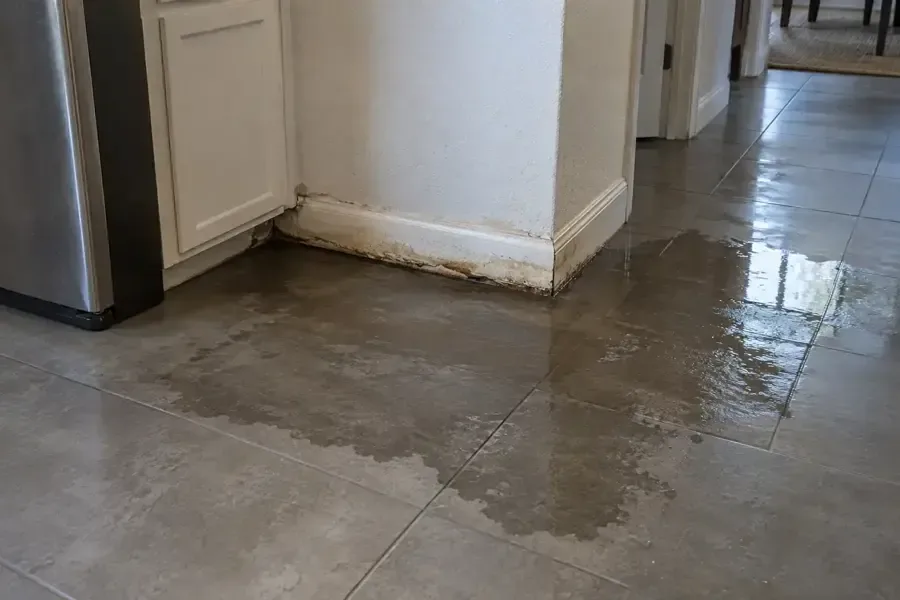
In a home around Milton Hill, water can leave the heater area through a doorway or beneath a partition. The technician checks wall bases and floor transitions, including the room on the opposite side of the closet. A narrow visible puddle can sit above a wider wet underlayment.
- Identify the tank location and the safest approach to it.
- Report hot water, unusual sounds or water near electrical components.
- Keep stored belongings out of the work route when safe.
- Photograph the leak area without operating unfamiliar controls.
Properties near Brush Hill and Canton Avenue need the same careful source-to-material tracing. The actual heater location matters: a spill beside an unfinished floor has different access needs from water behind a finished wall or beneath fixed shelving.
Separating appliance replacement from drying
A new tank stops the equipment failure but does not remove water already beneath floor coverings. The mitigation crew extracts accessible water and checks damaged composite trim, insulation and cabinet bases. The contractor coordinates access with the plumber so new equipment does not cover an area that still needs drying.
The drying specialist places air movers and dehumidifiers around retained materials. Tight closets may restrict airflow, requiring careful access or selective removal. The team checks the floor beneath and beside the installation as well as the wall surface that first showed damage.
- Wet porous finishes receive a category and condition assessment.
- Gas or electrical equipment stays under the appropriate trade's control.
- Replacement work should preserve necessary measurement access.
Preparing a clear record of the heater loss
Milton purchases MWRA water supplied by Quabbin Reservoir and Wachusett Reservoir. Inside the building, the private heater and its connections need their own source assessment. The restoration record identifies the observed release, affected rooms and cleanup work alongside the plumber's diagnosis of the failed component.
The EPA WaterSense information offers practical water-efficiency and leak-awareness material. The Ready.gov household planning page helps residents organize emergency contacts. The contractor records appliance repair separately from the extraction and drying scope.
24/7 dispatch is available for a spreading heater spill. The homeowner can describe whether the supply has been isolated and which nearby rooms are wet, leaving power, fuel and appliance controls to a qualified trade when conditions are unsafe.
Water Heater Leak Cleanup and the IICRC S500 standard
Moisture measurements
The technician compares wet materials with an unaffected reference of the same kind. Surface touch alone cannot show whether the full assembly has reached its drying goal.
Equipment adjustment
The drying team records temperature and relative humidity, then adjusts airflow and dehumidification when a cavity or dense material stops improving. Equipment stays until readings support removal.
Written progress
The restoration contractor records the initial condition, removal decisions and final readings. A dated record helps the homeowner understand what remains before repairs close the affected area.
Safe work boundaries
The response team separates wet work from occupied rooms, checks equipment power requirements and keeps exit routes open. Occupants keep children and pets clear of hoses and cords.
Water Heater Leak Cleanup service in Milton
Water damage service covers ZIP 02186, including Brush Hill, Milton Hill, Milton Village and Lower Mills. Describe the building entrance and affected level when arranging access.
Water Heater Leak Cleanup questions in Milton, MA
Does a new water heater finish the recovery?
Replacement addresses the failed appliance. The restoration crew still checks water beneath flooring and inside nearby walls. Drying and finish repair can continue after the tank is replaced, especially where the spill reached an enclosed assembly.
Can the homeowner turn off a leaking tank?
Only use an accessible, familiar water shutoff from a safe position. Hot water, fuel controls and wet electrical parts create hazards. A plumber or other appropriate trade should manage unsafe appliance isolation and source repair.
Why inspect a room beside the closet?
Water can move beneath a partition or across a floor layer before emerging elsewhere. The technician checks adjoining surfaces and thresholds to define the actual wet area. Treating only the tank footprint can leave hidden moisture behind.
Are stored items part of the assessment?
The contractor documents affected belongings and separates movable items from the work route where safe. Porous possessions need their own condition assessment. The homeowner keeps an inventory and photographs for the insurer before disposal when practical.
Can a closed heater closet slow drying?
Yes. Restricted airflow and wet materials behind the tank can make drying harder. The specialist plans access, dehumidification and measurement points around the installation, then adjusts the setup when readings show a concealed area is not improving.
Which costs are separate from cleanup?
The tank, plumbing repair, electrical work and major reconstruction may be separate from extraction and drying. The written scope should identify each task. The homeowner reviews coverage and payment terms directly with the insurer and contractor.
Related water damage services


Dry the materials around the replacement
The restoration team checks the floor and wall assembly beyond the visible tank puddle.