Commercial Water Damage in Canton
A business water loss affects work routes as well as building materials. The cleanup plan needs authority to enter, a way to protect unaffected stock and clear boundaries around rooms that cannot remain occupied.
(888) 480-6221Describe the affected business operation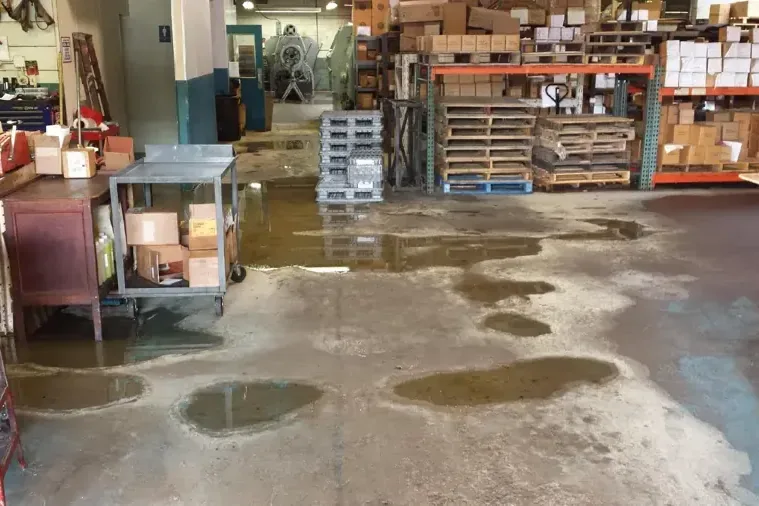
First steps for commercial water damage in Canton
- Name the authorized contact
Identify the owner, manager or other responsible person who can approve entry and material removal, including work inside tenant controlled or secured spaces.
- Describe operations and restrictions
Explain which rooms are occupied, where stock is stored and which entrances must stay accessible so the cleanup boundary can be planned practically.
- Protect unaffected stock routes
Keep dry inventory away from wet room traffic and proposed removal paths, without sending staff into unsafe spaces to retrieve affected goods.
- Record damage by location
Photograph visible loss safely and label affected rooms or storage areas so later cleanup records can be connected to the original operational impact.
What does commercial water damage cost in Canton, MA?
Commercial water damage costs in Canton reflect affected area, contamination, access and the building's contents. A written scope should distinguish restoration of the premises from equipment servicing, inventory handling and reconstruction, with any operational access constraints clearly described.
- Limited occupied area
- Accessible finish inspection
- Focused equipment layout
- Tenant access coordination
- Expanded material mapping
- Multiple work zones
- Controlled material routes
- Complex contents access
- Extensive cleaning arrangements
Cost factors: Water category, wet square footage, material class and the time before drying starts shape the scope. Access beneath cabinets, retained insulation and multiple affected levels increase the work.
Use the water damage cost calculator to compare conditions. These typical ranges are planning estimates, not a quote for the property.
How commercial water damage proceeds
Coordinate authority and site conditions
The assessment establishes the decision maker, access permissions and the current source status. It considers staff movement, exposed utilities and any restrictions on opening finishes. This gives the restoration work a usable operating framework before equipment arrives or damaged material begins moving through the premises.
Map damage alongside business contents
Wet rooms and concealed routes are inspected while inventory, equipment and records receive separate handling considerations. The plan distinguishes building materials from business contents so neither is overlooked. Shared occupancy and adjoining units are included when the water path crosses the original reporting space.
Perform removal and drying within defined zones
Accessible water is extracted, compromised materials are evaluated and retained assemblies receive an appropriate drying arrangement. Equipment routes and occupied boundaries are coordinated with management. Progress checks focus on material condition while any changed access needs or newly discovered damage are communicated through the designated contact.
Hand over clear room specific findings
The completion record identifies work performed, material readings and outstanding source or finish repairs by affected area. It also notes content handling still requiring attention. Management can then make the next occupancy or repair decision using an understandable description of the premises rather than an assumption based on equipment removal alone.
A water loss at a Canton business needs a practical site plan alongside the material assessment. The person arranging cleanup should identify who can authorize entry, approve openings and coordinate tenant communication. Those decisions affect whether the inspection can reach every damaged space and whether unaffected operations can continue safely.
Describe business use, wet rooms and access authority so the assessment connects cleanup with practical routes around occupied or secured areas.
(888) 480-6221Describe the affected business operationFit the work area to the building use
Shawmut Industrial Park and the mixed-use development in Canton Center provide distinct commercial settings. Canton Junction adds a commuter rail reference for local access discussions. At the affected premises, the important details are the actual loading or pedestrian entrance, occupied rooms and the location of wet inventory or equipment.
A shared building may require entry to a neighboring unit or the floor below. An industrial space may have large stored items that obstruct the water boundary. The cleanup plan should describe those access constraints specifically rather than assume that the open area visible at the entrance represents the full loss.
Protect the separation between wet and usable areas
- Identify who controls keys, alarms and access to restricted rooms.
- Keep clean stock away from the route used for removed materials.
- Record exposed inventory before relocation changes its original damage context.
- Include powered equipment in the access assessment when water reaches it.
Equipment placement can affect walkways, doors and the ability to reach essential building controls. Those conditions belong in the work plan. Occupancy decisions should follow the hazards and cleanup boundary, with changes communicated clearly to staff, tenants and anyone responsible for supervising access during the work.
Water extraction addresses accessible liquid, while structural drying tracks moisture in the building afterward. Source repair may involve a separate provider. A clear scope identifies these dependencies so restarting an operation does not block access needed to complete the restoration.
Use records that support the next operational decision
Photographs, room lists and material readings should be organized around identifiable spaces. This makes it easier to explain which rooms remain restricted, which contents need separate handling and what finish work remains. A large equipment count alone gives little information about when a particular room can be used.
The town cleanup overview covers the source specific services. The business handoff should add responsibility for remaining repairs and a clear description of the usable area, helping management plan the next step from the actual condition of the premises.
Commercial Water Damage and the IICRC S500 standard
Moisture measurements
The technician compares wet materials with an unaffected reference of the same kind. Surface touch alone cannot show whether the full assembly has reached its drying goal.
Equipment adjustment
The drying team records temperature and relative humidity, then adjusts airflow and dehumidification when a cavity or dense material stops improving. Equipment stays until readings support removal.
Written progress
The restoration contractor records the initial condition, removal decisions and final readings. A dated record helps the homeowner understand what remains before repairs close the affected area.
Safe work boundaries
The response team separates wet work from occupied rooms, checks equipment power requirements and keeps exit routes open. Occupants keep children and pets clear of hoses and cords.
commercial water damage service in Canton
Business assessments along Route 138 and Washington Street include authorized entry, inventory access and any adjoining occupied space affected by the water route through the premises.
The same service nearby: commercial water damage in Milton, Randolph, Dedham.
Commercial Water Damage questions in Canton, MA
Can the business remain open during restoration?
That depends on the source, hazards and ability to separate occupied areas from the work. Management and the relevant professionals need a clear room boundary and usable access routes. Continued operation should follow the actual conditions, not an assumed promise made before inspection.
Who should authorize openings in a leased space?
The responsible parties should establish approval authority before work begins, especially where shared walls or neighboring units are involved. The cleanup provider needs a designated contact who can coordinate those decisions and communicate changes when inspection reveals damage beyond the original scope.
How are wet stock and building materials separated?
The assessment records both, but their handling needs may differ. Inventory can require business specific decisions while walls and floors need cleaning or drying. The scope should identify each responsibility so moving goods does not conceal damage or transfer water into clean storage.
Can drying machines obstruct an entrance?
Equipment placement must account for usable routes and access to building controls. Management should describe required entrances and occupied rooms at the start. The layout can then be planned around the restoration needs and the actual movement required through the premises during work.
What happens if water reached another tenant?
The inspection needs permission to evaluate the adjoining affected space. Coordinating access early helps define the full water route and prevents a partial scope. Communication should identify the rooms involved, who controls entry and which party can approve necessary material work.
What documentation helps plan reopening of a room?
Room specific notes should identify hazards addressed, materials removed, cleaning performed and retained moisture conditions. Remaining repair tasks also need to be stated. This gives management a practical record for the next operational decision instead of relying only on a general completion statement.
Related water damage services in Canton


Make the next occupancy decision with clear records
Room specific findings connect restoration work with management's plans for access, contents and remaining repairs.