Commercial Water Damage in Dedham
A business water loss creates a space problem as well as a material problem. Cleanup planning identifies wet rooms, protected contents and usable access so management can organize operations around the actual work area.
(888) 480-6221Plan access around the business damage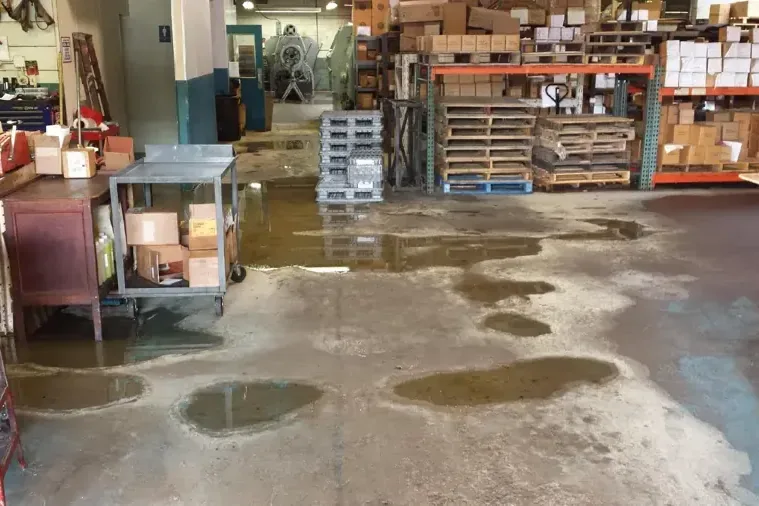
First steps for commercial water damage in Dedham
- Identify the decision-making contact
Provide the person responsible for property access, contents decisions and scope changes. Consistent coordination helps keep the cleanup arrangement aligned with building operations and source repair work.
- Describe occupied and affected rooms
Explain which spaces remain in use and which show water damage. Include overhead hazards, electrical concerns and any routes that staff or visitors currently cannot use safely.
- List sensitive business contents
Identify records, stock or equipment that need special consideration before movement. Handling priorities should be clear without requiring staff to enter unsafe rooms or cross contaminated areas.
- Coordinate building access permissions
Mention shared rooms, adjoining occupants and restrictions on equipment routes. Those details help arrange inspection of connected damage and avoid unexpected interruptions when the work footprint expands.
What does commercial water damage cost in Dedham, MA?
Commercial cleanup pricing in Dedham reflects the affected footprint, business contents, shared access and material exposure. Larger or contaminated spaces require broader coordination. The written estimate should distinguish damage cleanup from source repair, inventory decisions and subsequent reconstruction.
- Contained room assessment
- Accessible contents relocation
- Focused extraction and drying
- Connected assembly inspection
- Additional access coordination
- Expanded equipment placement
- Complex material handling
- Broader cleaning requirements
- Detailed management handoff
Cost factors: Water category, wet square footage, material class and the time before drying starts shape the scope. Access beneath cabinets, retained insulation and multiple affected levels increase the work.
Use the water damage cost calculator to compare conditions. These typical ranges are planning estimates, not a quote for the property.
How commercial water damage proceeds
Establish the operational work boundary
The assessment combines the water damage footprint with management's access requirements. Safe occupied areas, restricted rooms and equipment routes are identified before cleanup starts. The source status is recorded, and the property contact helps coordinate any plumbing, roofing or other repair needed to prevent further release.
Document building and contents exposure
Inspection maps wet finishes and accessible connected assemblies while contents are recorded separately. Management confirms handling priorities and suitable relocation areas. If the damage extends into shared or adjoining spaces, access is coordinated before the scope changes, with photographs explaining the newly identified conditions and required work.
Remove water and treat affected materials
Extraction, cleaning and material removal follow the source and exposure. Drying equipment is arranged around retained wet structure and the agreed work routes. The plan accounts for operational constraints while keeping the actual material needs visible, including areas that require continued restriction or additional access to dry effectively.
Report progress and handoff requirements
Monitoring records material response and explains changes to equipment or work boundaries. At completion, the documentation identifies drying outcomes, contents status and unfinished source or finish repairs. Management can use that account to coordinate reconstruction and decide how each space returns to service under the property's actual conditions.
Mother Brook passes through a culvert beneath the Dedham Mall. The Ames Schoolhouse houses the town hall and senior center, while the Norfolk County Courthouse is also in Dedham. These distinct retail and civic settings illustrate why an occupied building's use matters when organizing access after an actual interior water loss.
Identify affected business rooms, essential routes and contents priorities so cleanup can be organized around current damage and occupancy needs.
(888) 480-6221Plan access around the business damageDefine the usable space with management
The initial discussion should identify affected rooms, essential access routes and contents that need priority attention. Electrical concerns, unstable ceilings or contamination may restrict occupancy. A cleanup plan can explain those boundaries and the work sequence so staff are not left to improvise a route through active equipment or wet materials.
- Identify a property contact for access and work-scope decisions.
- List sensitive contents without moving them through affected rooms.
- Explain which entrances and occupied areas must be considered.
- Share source repair findings before the cleanup arrangement is finalized.
A stockroom spill, an overhead office leak and outside water at a public entrance create different handling needs. The assessment follows the source and water path in the building. Management's operational priorities help organize the work, while material condition and safe access determine what can actually remain usable during cleanup.
Keep contents decisions separate from building damage
Inventory, records and equipment may need a handling plan distinct from the walls and flooring. The scope should specify where movable items will go and who makes decisions about affected business contents. Clear photographs and an item record help management track changes as access opens and the wet footprint becomes more visible.
Water can reach adjoining tenant spaces, concealed cavities or lower rooms where the building arrangement allows it. Inspection should follow those connections when indicated by the observed damage. Additional access may require property management coordination, particularly if equipment or cleanup routes cross spaces controlled by different occupants.
- Record room boundaries and any connected wet assemblies.
- Document contents moved for access and their destination.
- Explain added work through newly identified material damage.
Plan a documented return of each space
After water extraction, the retained structure may need measured drying. Cleaning or finish removal can also be necessary depending on the source. The scope should distinguish these tasks from source repair, replacement inventory and reconstruction so management can track the status of each part of the loss.
Completion documentation identifies usable areas, material condition and remaining repairs. Reopening decisions need to account for the actual building and work conditions rather than the disappearance of surface water. A clear handoff lets management coordinate the next contractors and communicate practical access arrangements to the people using the property.
Commercial Water Damage and the IICRC S500 standard
Moisture measurements
The technician compares wet materials with an unaffected reference of the same kind. Surface touch alone cannot show whether the full assembly has reached its drying goal.
Equipment adjustment
The drying team records temperature and relative humidity, then adjusts airflow and dehumidification when a cavity or dense material stops improving. Equipment stays until readings support removal.
Written progress
The restoration contractor records the initial condition, removal decisions and final readings. A dated record helps the homeowner understand what remains before repairs close the affected area.
Safe work boundaries
The response team separates wet work from occupied rooms, checks equipment power requirements and keeps exit routes open. Occupants keep children and pets clear of hoses and cords.
commercial water damage service in Dedham
Commercial assessments address retail, office and other occupied properties across town, with access coordination and material treatment tailored to the specific building and the water damage found.
The same service nearby: commercial water damage in Milton, Canton, Quincy.
Commercial Water Damage questions in Dedham, MA
Can part of the business stay open?
Continued operation depends on hazards and the ability to separate occupied rooms from cleanup. Management and the crew should establish usable routes and restrictions. Electrical, overhead and contamination concerns all affect access, even where surface water is no longer visible.
Who should approve contents movement?
Management should identify the person responsible for inventory, records and equipment decisions. The cleanup plan can then document what is moved and where it goes. Sensitive business contents may need a handling arrangement separate from ordinary building materials removed during extraction or drying access.
Why inspect an adjoining room with little visible damage?
Water can travel beneath finishes or through cavities into connected spaces. Measurements and the observed water path determine whether that room belongs in the scope. Access may need coordination with another occupant or property manager before concealed conditions can be evaluated and treated.
Does the cleanup scope include replacing stock?
The estimate should state what contents handling is included and which decisions remain with management or another provider. Building extraction, cleaning and drying are distinct from inventory replacement. Keeping those tasks separate makes the costs and completion status clearer as the property moves toward normal operation.
How are scope changes communicated during work?
Newly exposed damage should be documented with its location and the reason additional work is needed. The designated property contact can then consider the updated scope. Consistent records help management understand how the final footprint differs from the initial visible water area.
What supports a return-to-use decision?
The handoff should describe remaining hazards, material moisture findings, open finishes and outstanding source repairs. Management can coordinate the relevant contractors around those conditions. Drying completion and full reconstruction may occur at different points, so each space needs an explicit account of its current readiness.
Related water damage services in Dedham


Give management a clear damage scope
Documented removal, drying and unfinished repair tasks help coordinate the property recovery and the next decisions about using each space.