Commercial Water Damage in Quincy
A business water loss affects more than the wet floor. Quincy commercial cleanup accounts for staff access, affected stock and adjoining rooms while source control and material recovery are organized around the actual damage.
(888) 480-6221Describe the business water disruption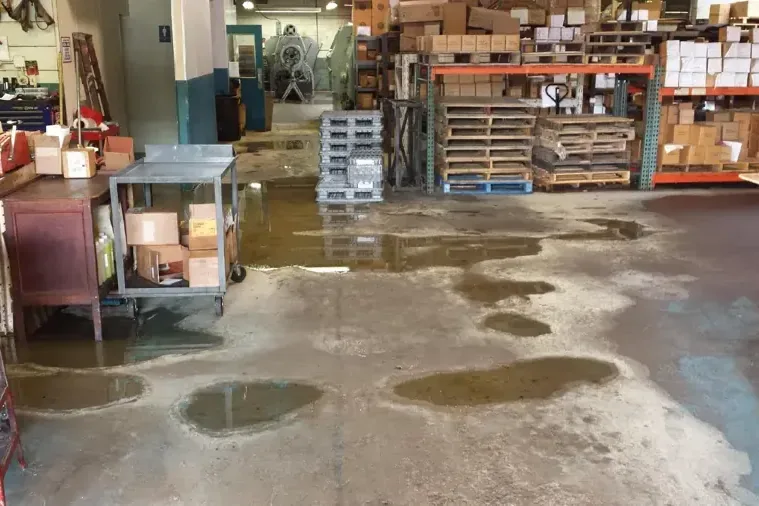
First steps for commercial water damage in Quincy
- Name the affected business rooms
The initial report should distinguish public areas, offices and storage, including any shared space or neighboring suite showing water after the original source became visible.
- Keep staff outside hazards
Electrical exposure, unstable overhead finishes and contaminated water require appropriate assessment before employees move inventory or attempt to reopen a route through the affected premises.
- Document stock and equipment
Photographs and a room inventory help separate contents damage from building damage before items are relocated to create access for extraction, inspection and drying equipment.
- Coordinate a working contact
A designated property or business contact can help arrange doors, occupied room access and source repair information while the restoration assessment follows the wet materials.
What does commercial water damage cost in Quincy, MA?
Commercial water damage cleanup in Quincy has example scopes from $2,000 to $12,000+. Room count, stock handling, contamination and access affect the estimate. Building recovery should be itemized separately from equipment repairs, inventory replacement and finish reconstruction.
- Defined affected room
- Limited contents movement
- Focused material drying
- Connected wet assemblies
- Expanded equipment route
- Additional occupancy coordination
- Complex handling boundaries
- Substantial material removal
- Broader cleaning requirements
Cost factors: Water category, wet square footage, material class and the time before drying starts shape the scope. Access beneath cabinets, retained insulation and multiple affected levels increase the work.
Use the water damage cost calculator to compare conditions. These typical ranges are planning estimates, not a quote for the property.
How commercial water damage proceeds
Establish operational and damage boundaries
The assessment records wet rooms, occupied areas and the route needed for equipment and material removal. Business priorities are discussed alongside physical hazards. The resulting plan distinguishes areas that require restriction from spaces that may remain usable without interfering with the water damage work or exposing occupants.
Coordinate source and contents handling
The source repair proceeds with the appropriate professional while affected inventory and equipment receive documented handling decisions. Contents movement creates access to floor edges and wall bases. The work record keeps building damage separate from stock or equipment issues so each part of the loss remains understandable.
Treat connected building assemblies
Extraction, cleaning and selective removal follow the water path through the premises. Adjoining rooms and shared partitions are assessed where moisture may have traveled. Equipment placement accounts for the available route and the retained materials, while necessary work boundaries keep active cleanup separate from ordinary staff or customer circulation.
Provide a room based repair handoff
Drying measurements and completed tasks are organized by affected area. The closing record identifies remaining restrictions and repairs without substituting a business schedule for the condition of the materials. The operator can then coordinate finish work, equipment service and occupancy decisions using a clear account of the restoration results.
Water beside a reception desk can affect the route to a storage room, an electrical area and another occupied suite. A commercial assessment starts by identifying those connections. The business needs a clear account of which spaces are wet, which remain accessible and which require restriction while the source is corrected.
Describe wet rooms, occupied spaces and access priorities so the assessment connects business needs with the damage boundary.
(888) 480-6221Describe the business water disruptionMap the business space before moving stock
Hancock Street runs through Quincy Center, Wollaston and North Quincy. Premises along that corridor can combine public access with private work areas. The cleanup plan should distinguish the customer route from the work route, with wet stock and equipment documented before moving them into a space that was previously unaffected.
- Identify the rooms essential to current operations and their access needs.
- Record wet inventory separately from damage to the building finishes.
- Keep staff out of areas with electrical or overhead hazards.
- Note shared entrances that could be affected by hoses or debris removal.
Set priorities without skipping wet materials
Quincy Point includes commercial areas along Southern Artery. In a business there, a dry appearing office may connect to wet storage through a shared floor or partition. Inspection follows that assembly so the recovery plan does not overlook hidden moisture simply because a room has already resumed limited use.
Crown Colony is an office park in South Quincy. For office premises, contents movement and access to wall bases can affect drying equipment placement. A coordinated arrangement keeps important items available where safe while preserving the access needed to inspect and dry the building materials behind desks or storage units.
- Separate equipment repair decisions from treatment of the surrounding room.
- Document access changes that affect occupied areas or shared doors.
- Keep damp stock from covering surfaces selected for moisture monitoring.
Make the handoff useful to the operator
The work record should organize findings by room and task. Extraction, material removal, cleaning and drying have different purposes and may affect access differently. Explaining those boundaries helps the operator plan access while the surrounding finishes receive the inspection and drying needed before normal use resumes in the room.
For retained wet assemblies, structural drying provides measurements that support later repairs. The final scope should identify completed work, remaining restrictions and separate source or finish repairs. Business use can then be considered alongside the physical condition of the space rather than a promised reopening date.
Commercial Water Damage and the IICRC S500 standard
Moisture measurements
The technician compares wet materials with an unaffected reference of the same kind. Surface touch alone cannot show whether the full assembly has reached its drying goal.
Equipment adjustment
The drying team records temperature and relative humidity, then adjusts airflow and dehumidification when a cavity or dense material stops improving. Equipment stays until readings support removal.
Written progress
The restoration contractor records the initial condition, removal decisions and final readings. A dated record helps the homeowner understand what remains before repairs close the affected area.
Safe work boundaries
The response team separates wet work from occupied rooms, checks equipment power requirements and keeps exit routes open. Occupants keep children and pets clear of hoses and cords.
commercial water damage service in Quincy
Commercial assessments cover premises along Hancock Street and Southern Artery and within Crown Colony, coordinating occupied areas, contents access and the affected building materials together.
The same service nearby: commercial water damage in Milton, Braintree, Randolph.
Commercial Water Damage questions in Quincy, MA
Can part of the business remain open?
That depends on hazards, utilities, access and separation from the work. An unaffected area may remain usable when its route is safe and the cleanup boundary is maintained. The assessment should identify conditions and restrictions rather than promise uninterrupted operation.
Should staff move wet stock before assessment?
Only safe, coordinated movement should take place. Wet items can hide damage, create handling hazards or spread contamination. Photographs and an inventory help preserve the record before stock is relocated to allow access to the floor and surrounding building materials.
Why inspect a room that looks unaffected?
Water can travel beneath partitions or finishes into an adjoining space. A room may look clear while its wall base or floor layer remains damp. Inspection of connected assemblies helps establish whether that area belongs within the restoration scope.
Who handles damaged business equipment?
Equipment service is separate from cleaning and drying the room around it. The appropriate specialist should assess affected devices or machinery. Coordinating that work with contents movement and building access helps keep wet materials from remaining concealed beneath equipment.
How should the estimate be organized?
A useful estimate separates extraction, removal, cleaning and drying, with room locations and contents handling identified. Source repair and reconstruction should be distinguishable. That structure helps a business operator understand both the physical work and its effect on access.
Does the drying plan set a reopening date?
Drying measurements describe building conditions, while reopening also depends on repairs, utilities and operational requirements. The handoff should identify what is complete and what remains. A calendar target should not replace assessment of the affected materials and safe use of the premises.
Related water damage services in Quincy


Build a recovery scope the operator can use
Room based documentation makes completed cleanup, remaining moisture and separate repair responsibilities clear while the business plans its next steps.