Commercial Water Damage in Braintree
Water in a working building creates decisions about people, contents and access as well as wet finishes. A commercial cleanup plan defines the affected zone and coordinates removal and drying with the responsible property contact.
(888) 480-6221Discuss the affected work areas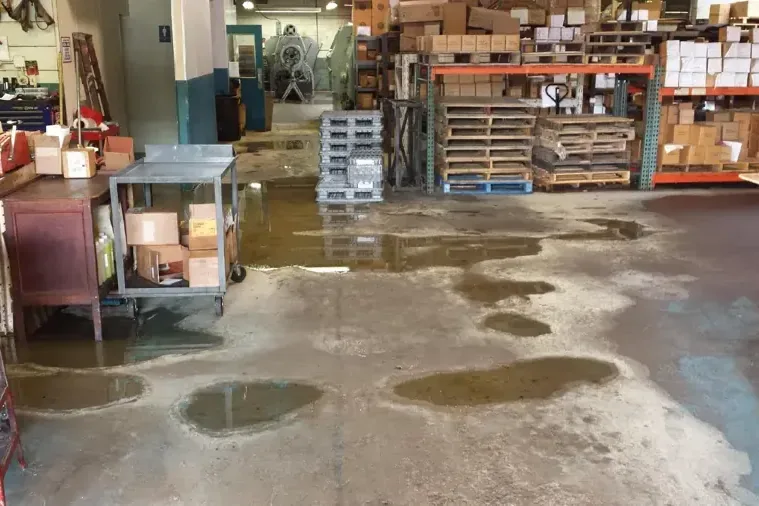
First steps for commercial water damage in Braintree
- Name the responsible property contact
Identify who can authorize entry, removal and equipment placement. Shared buildings need coordination with management and occupants before adjoining spaces can be inspected or isolated.
- Separate wet and usable areas
Keep workers and visitors outside unsafe rooms. Establish a route that protects unaffected stock, records and equipment while restoration assesses the water source and the damaged assembly.
- Document operational contents separately
Photograph affected inventory and equipment before movement when safe. Contents decisions may require different authorization or specialist input from the work planned for walls, ceilings and flooring.
- Explain building access constraints
Describe occupied rooms, controlled doors and essential circulation routes. The cleanup setup needs that information to arrange equipment and handling without obstructing safe movement through the remaining usable space.
What does commercial water damage cost in Braintree, MA?
Commercial water damage costs in Braintree depend on affected area, access restrictions and contamination. Estimates should distinguish building cleanup from inventory handling, specialist equipment assessment, source repairs and reconstruction so the responsible contact can authorize a clearly defined scope.
- Contained affected workspace
- Accessible finish materials
- Focused equipment arrangement
- Multiple room coordination
- Expanded moisture assessment
- Broader contents separation
- Complex work boundaries
- Extensive material handling
- Additional cleaning requirements
Cost factors: Water category, wet square footage, material class and the time before drying starts shape the scope. Access beneath cabinets, retained insulation and multiple affected levels increase the work.
Use the water damage cost calculator to compare conditions. These typical ranges are planning estimates, not a quote for the property.
How commercial water damage proceeds
Establish the building work boundary
The assessment identifies the source, affected rooms and responsible contacts. Electrical hazards, occupied areas and access limitations shape the initial setup. Moisture checks extend into connected spaces when authorized, while photographs preserve the original footprint and distinguish building damage from equipment or inventory requiring a separate decision.
Coordinate removal with property operations
Extraction and material handling use agreed routes through the building, with dry areas protected from wet contents and debris. The scope identifies porous finishes needing removal and accessible surfaces suitable for cleaning. Any required shutdown or room restriction is communicated to the property contact before equipment arrangements are finalized.
Dry retained commercial assemblies
The drying plan accounts for partitions, floor systems and concealed spaces actually present in the building. Equipment placement preserves required access and serves the wet materials identified in the map. Repeat readings show progress and prompt adjustments where a cabinet, partition or enclosed cavity prevents the retained assembly from responding adequately.
Document the operational repair handoff
The record identifies source repair status, drying observations, removed finishes and work remaining beyond restoration. Contents and specialist equipment decisions stay visible as separate items. The responsible property contact can then coordinate reconstruction and room use based on actual conditions, with a clear understanding of any continuing access or safety restrictions.
Braintree reports residential and commercial growth following its Master Plan in 1998. That mix of property uses creates varied access and contents considerations during a water loss. For a working property, the practical restoration issue is immediate: which rooms are affected, who controls access and how the water damage work can proceed safely around the building's actual use.
Identify the affected work areas, responsible contact and any occupied spaces nearby. That information helps connect the damage assessment with safe property access and contents decisions.
(888) 480-6221Discuss the affected work areasDefine authority and access early
The initial discussion should identify the owner, manager or other authorized contact for affected spaces. A tenant may control contents while another party controls building finishes or equipment shutdowns. Clarifying those roles helps establish the removal scope, approve needed openings and coordinate entry into rooms beyond the first visible wet area.
Thayer Academy and Archbishop Williams High School are local educational institutions, reflecting the range of occupied properties in the community. Each building assessment still needs its own occupancy details, restricted spaces and equipment concerns. Cleanup planning should address the specific use rather than assume a standard office layout or uninterrupted operation.
- Identify affected rooms and any shared access corridor they occupy.
- Keep wet inventory separate from dry stock and working equipment.
- Record electrical or access restrictions before moving extraction equipment indoors.
- Assign a contact for source repair and another if contents need authorization.
Separate the building from its operational contents
Flooring, wall partitions and ceilings belong in the structural scope. Records, inventory and business equipment may need separate handling decisions and specialist assessment. Photographs and an item record preserve the condition before movement. The cleanup route should keep soaked items from passing through usable space without suitable protection.
At a property near Weymouth Landing, limited loading access or a shared doorway can affect staging. Water extraction clears accessible pooling, while the layout determines equipment placement and safe walking routes. If wastewater is involved, sewage backup cleanup adds containment and material handling requirements before ordinary drying begins.
Plan a handoff that supports reopening decisions
Drying equipment can occupy circulation space and require sustained access to walls or floors. The plan should explain those constraints and identify areas that remain restricted. Structural drying records the response of retained materials, allowing the property contact to distinguish drying progress from outstanding source repairs or reconstruction.
Reopening decisions depend on the actual hazards, cleaned conditions and safe use of each space. The repair handoff identifies removed finishes, remaining openings and any equipment or contents decisions outside the restoration scope. That information helps the responsible manager organize the next work without treating an empty floor as a completed building recovery.
Commercial Water Damage and the IICRC S500 standard
Moisture measurements
The technician compares wet materials with an unaffected reference of the same kind. Surface touch alone cannot show whether the full assembly has reached its drying goal.
Equipment adjustment
The drying team records temperature and relative humidity, then adjusts airflow and dehumidification when a cavity or dense material stops improving. Equipment stays until readings support removal.
Written progress
The restoration contractor records the initial condition, removal decisions and final readings. A dated record helps the homeowner understand what remains before repairs close the affected area.
Safe work boundaries
The response team separates wet work from occupied rooms, checks equipment power requirements and keeps exit routes open. Occupants keep children and pets clear of hoses and cords.
commercial water damage service in Braintree
Commercial assessment in Braintree considers properties around Weymouth Landing and the building's actual operations, with access arranged through the responsible owner, manager or authorized property contact.
The same service nearby: commercial water damage in Milton, Randolph, Quincy.
Commercial Water Damage questions in Braintree, MA
Can the business remain open during cleanup?
That depends on the hazards, contamination, safe access and separation of affected areas. Some spaces may remain usable while others are restricted. The responsible property contact needs a clear explanation of those boundaries before deciding how operations can continue.
Who authorizes work in a leased space?
Authorization depends on the property arrangements and the specific task. Building finishes, tenant contents and shared equipment may involve different contacts. Establishing those responsibilities early connects each inspection, removal and drying decision with the person authorized to approve that specific work.
Are damaged records included in the building scope?
Records and specialist contents may require separate handling and assessment. The estimate should state what contents work is included and who makes those decisions. Photographs and an item record help preserve the condition before anything is moved or discarded.
Why inspect an adjoining office with no puddle?
Water can travel beneath flooring or through connected partitions beyond the visible pool. With appropriate access authorization, readings in nearby spaces help define the real damage boundary. That information supports a more complete plan for removal, drying and subsequent repairs.
How are equipment routes planned?
The setup considers doors, occupied areas, electrical access and essential circulation. Hoses, cables and removed materials need a route that avoids creating additional hazards or transferring residue. The property contact should understand any temporary access restrictions before the equipment is placed.
What helps plan the next construction work?
A useful handoff lists removed finishes, retained material observations and outstanding source or contents issues. Reconstruction can then be coordinated around the actual openings and substrate condition. The record also distinguishes completed cleanup from the separate decisions needed to resume normal operations.
Related water damage services in Braintree


Coordinate the next stage of recovery
A defined scope connects removal, measured drying and the work needed before rooms reopen.