Ceiling Leak Water Damage in Canton
A drip appearing overhead can be separated from its source by a wet cavity. Keep the space below clear while the ceiling condition and the route from above are assessed.
(888) 480-6221Describe the overhead drip pattern
First steps for ceiling leak water damage in Canton
- Clear the space beneath
Keep people out from under a sagging or dripping ceiling, and avoid moving heavy belongings through the area until stability is assessed.
- Leave fixtures untouched
Water near a light, fan or other powered fitting requires electrical attention; touching switches or wet equipment can create an additional hazard.
- Describe activity above
Report known plumbing use, an appliance spill or rain entry in the space overhead without guessing which concealed component has failed.
- Arrange upper room entry
Contact the person responsible for any adjoining unit so the inspection can trace the source as well as the visible ceiling damage below.
What does ceiling leak water damage cost in Canton, MA?
Ceiling leak cleanup costs in Canton depend on safe overhead access, the size of damaged finishes and moisture inside adjoining cavities. The estimate should separate removal and drying from the source repair and decorative ceiling replacement.
- Limited finish opening
- Accessible cavity checks
- Targeted drying work
- Broader overhead removal
- Insulation condition assessment
- Room access controls
- Adjoining wall inspection
- Extended cavity access
- More repair coordination
Cost factors: Water category, wet square footage, material class and the time before drying starts shape the scope. Access beneath cabinets, retained insulation and multiple affected levels increase the work.
Use the water damage cost calculator to compare conditions. These typical ranges are planning estimates, not a quote for the property.
How ceiling leak water damage proceeds
Assess the overhead work area
The inspection starts with ceiling shape, visible deterioration and nearby electrical fixtures. Access restrictions are established beneath unstable material. From safe positions, the assessment records the stain boundary and asks about activity above so the source investigation has a useful starting point.
Trace the wet route between spaces
Accessible upper rooms and cavities are checked for the origin and direction of moisture. The source may lie away from the point where water becomes visible. Building access, shared occupancy and the timing of the leak help coordinate the relevant repair provider with restoration work.
Remove barriers to cavity drying
Compromised finish and saturated insulation are evaluated for removal where they block inspection or moisture release. Retained framing and adjacent wall junctions receive readings. The equipment layout then targets exposed wet materials while keeping the occupied area separated from the overhead work zone.
Verify the condition before patching
Progress measurements are compared at the affected materials, including the cavity edges. The closing notes identify source control, removed sections and remaining repair tasks. Ceiling finishing can then be planned around a documented material condition instead of the disappearance of a visible drip alone.
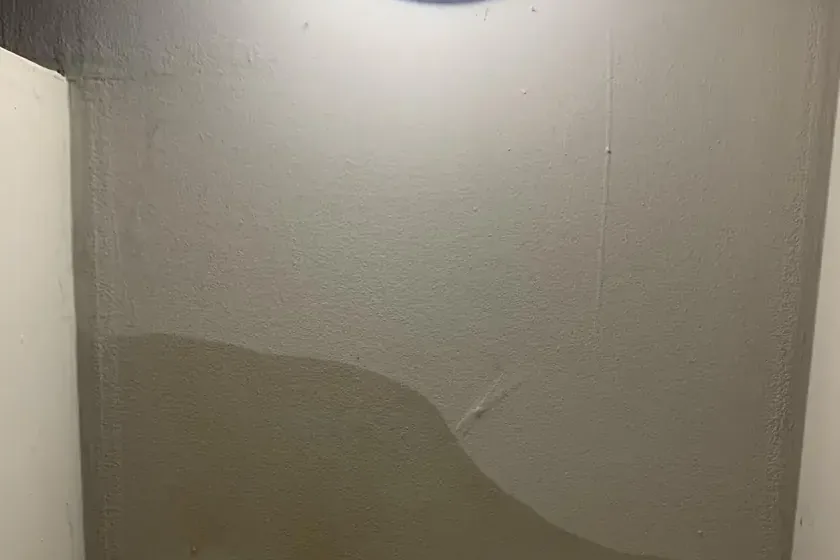
The outline of a ceiling stain in Canton does not necessarily match the full wet area above it. Water can follow framing or pass around a penetration before emerging through the finish. An assessment begins with the ceiling's stability and then traces the moisture toward its source.
Mention ceiling shape, nearby fixtures and access to the space overhead so the assessment can begin with a safe route to the affected cavity.
(888) 480-6221Describe the overhead drip patternArrange access above the damaged room
Canton Center includes mixed-use development. In a building with separate occupied spaces, a ceiling leak may require coordinated access to another room or unit. The person reporting damage should identify who controls that access and whether water is still appearing during appliance use, rainfall or ordinary plumbing activity.
- Keep furnishings and people away from a sagging overhead section.
- Report moisture near light fittings without touching the affected equipment.
- Note whether the stain grows between separate observations from safety.
- Identify any upper room that can be inspected without entering danger.
Near Canton Junction or Shawmut Industrial Park, occupancy and access can shape the sequence of an inspection. The work still depends on the actual building: the ceiling layers, available cavity access and the condition of the material holding the finish in place.
Expose enough to assess the wet cavity
Paint may conceal a damp backing, while insulation can hold water against framing above. Selective removal provides access when those layers prevent inspection or drying. A damaged ceiling section also needs evaluation for loss of attachment or strength before it is treated as a surface stain.
If plumbing caused the damage, burst pipe cleanup may address the wider release. Rain related entry belongs with a roof leak assessment. Identifying the source helps determine whether moisture is stored in the assembly or still being supplied from above.
Close the opening after the drying decision
Drying progress should include the material inside the cavity, not only the room air or visible ceiling face. Equipment placement and access may need adjustment when a pocket remains wet. The record should identify retained framing, removed insulation and any area that could not yet be inspected.
A replacement patch can restore appearance while trapping unresolved moisture if installed too soon. The handoff for finishing should therefore state what was measured and what source repair was completed. The town cleanup overview explains the related steps when water has also reached walls or floors below.
Ceiling Leak Water Damage and the IICRC S500 standard
Moisture measurements
The technician compares wet materials with an unaffected reference of the same kind. Surface touch alone cannot show whether the full assembly has reached its drying goal.
Equipment adjustment
The drying team records temperature and relative humidity, then adjusts airflow and dehumidification when a cavity or dense material stops improving. Equipment stays until readings support removal.
Written progress
The restoration contractor records the initial condition, removal decisions and final readings. A dated record helps the homeowner understand what remains before repairs close the affected area.
Safe work boundaries
The response team separates wet work from occupied rooms, checks equipment power requirements and keeps exit routes open. Occupants keep children and pets clear of hoses and cords.
ceiling leak water damage service in Canton
Ceiling inspections around Ponkapoag and Washington Street benefit from coordinated upstairs access, with the damaged room kept clear until overhead conditions have been assessed.
The same service nearby: ceiling leak water damage in Milton, Randolph, Dedham.
Ceiling Leak Water Damage questions in Canton, MA
Should a bulging ceiling be punctured?
Keep the area underneath clear and request a stability assessment. Puncturing a water filled or weakened section can cause uncontrolled release or falling material. The opening and removal approach should account for electrical hazards and the condition of the ceiling.
Why inspect a room away from the stain?
Water can move along framing and concealed surfaces before it reaches a visible opening. An offset source may leave several areas wet. The inspection follows readings and access points rather than assuming the failed component sits directly above the stain.
Can repainting solve the damage?
Paint changes appearance but does not remove moisture from the backing, insulation or framing. Source repair and material assessment come first. Any finish that has lost strength or attachment needs attention before a cosmetic repair can provide a sound result.
Does upstairs access matter if the drip stopped?
Access above helps establish what caused the wetting and whether the source has actually been resolved. It can also reveal damp flooring or fixtures that remain affected. A stopped drip alone does not describe the full condition of the upper assembly.
Will insulation need replacement?
Insulation is evaluated according to its type, exposure and condition. Material that holds water or obstructs drying may require removal. The scope should state which sections are affected and how the remaining cavity will be inspected and dried before closure.
How is the work area handed back?
The record should describe the source repair status, removed ceiling sections and readings from retained materials. It should also identify finish replacement still required. This gives the next trade a clear account of what is ready and what remains outstanding.
Related water damage services in Canton
Resolve the water above the stain
A traced source and measured cavity condition give ceiling repairs a clear starting point after cleanup.