Ceiling Leak Water Damage in Dedham
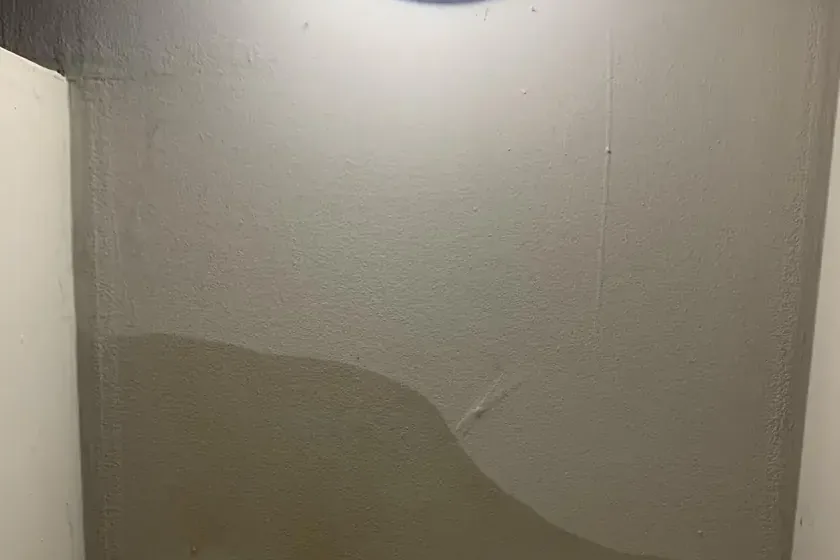
An overhead stain marks where water became visible, not necessarily where it entered. Ceiling cleanup traces the space above, assesses unstable finishes and plans access to moisture inside the assembly.
(888) 480-6221Plan the overhead damage assessment
First steps for ceiling leak water damage in Dedham
- Clear the room below
Keep occupants and belongings away from the area beneath sagging material. Do not stand underneath a bulge to inspect it or attempt to release trapped water.
- Describe the space above
Tell the assessor what sits over the affected ceiling and whether staining changes with weather or fixture use. Those details help organize the source investigation.
- Avoid wet electrical fittings
Leave affected lights and switches untouched. Electrical concerns need appropriate assessment before equipment or access work begins within the damaged portion of the room.
- Preserve a safe observation record
Take photographs from a position outside the fall area. Note changes in the stain, dripping or finish movement so the inspection has a clear starting description.
What does ceiling leak water damage cost in Dedham, MA?
Ceiling cleanup costs in Dedham depend on overhead access, insulation involvement and the spread into adjoining cavities. The planning ranges describe damage work; roof, plumbing or electrical repairs may need separate pricing in the written scope.
- Focused overhead access
- Local material checks
- Limited drying area
- Wider finish removal
- Insulation condition assessment
- Expanded room protection
- Adjoining wall inspection
- Additional framing drying
- Broader repair handoff
Cost factors: Water category, wet square footage, material class and the time before drying starts shape the scope. Access beneath cabinets, retained insulation and multiple affected levels increase the work.
Use the water damage cost calculator to compare conditions. These typical ranges are planning estimates, not a quote for the property.
How ceiling leak water damage proceeds
Assess overhead stability
The room is evaluated for sagging finishes, active dripping and nearby electrical fittings. Access restrictions are established before work under the damaged area begins. The assessment also identifies a safe route for moving equipment and handling debris without drawing occupants through the overhead hazard.
Trace the source pathway
Inspection examines accessible spaces above the stain and the materials connecting them. Plumbing findings or roof repair information help explain the route. The cleanup map extends beyond the visible mark when measurements identify wet framing, insulation or wall tops outside that initial patch.
Open and dry the assembly
Damaged finish sections are addressed through controlled access. Retained framing and other suitable materials receive a drying setup suited to the cavity and room conditions. Repeat measurements show whether the accessible assembly is responding and whether additional adjustments are needed before closure can be considered.
Record readiness for finish work
The handoff documents the source status, removed materials and remaining moisture condition. Replacement ceiling work and any separate electrical or plumbing tasks are listed clearly. The repair contractor can then plan closure and decoration using the actual state of the assembly instead of the stain's appearance.
The homes around Woodleigh Road include designs by Henry Bailey Alden. When a ceiling in that residential setting becomes stained or swollen, the investigation needs to look above the visible finish. A Dedham ceiling leak assessment considers source access, the stability of the overhead materials and the room that must remain clear below.
Explain the shape of the ceiling damage, the room above it and any continuing drips before access beneath the affected area is arranged.
(888) 480-6221Plan the overhead damage assessmentKeep weight and water overhead in mind
A bulging ceiling can contain wet material or trapped liquid. Occupants should avoid standing below it, moving ladders underneath or making an improvised opening. A controlled access plan accounts for falling debris and electrical fixtures before damaged sections are handled or the hidden space is inspected.
- Move people away from sagging or detached ceiling finishes.
- Describe nearby light fixtures without touching wet switches.
- Photograph the stain from outside the area directly below.
- Report whether the mark changes after rain or fixture use.
Those observations help separate a roof pathway from plumbing in the room above. They do not replace source testing. The inspection follows accessible evidence upward and sideways because framing can carry water away from the original entry before it reaches a ceiling joint or fixture opening.
Choose access that exposes the wet assembly
In Precinct One, also called Upper Dedham, the same practical question applies: which materials above the room actually became wet? The work scope may include damaged board, insulation and accessible framing. Each material decision should follow condition and drying access, with retained finishes protected where they can remain sound.
Greenlodge follows Greenlodge Street. At a property there, explaining whether the ceiling sits below a bathroom, another occupied room or a roof space helps plan the inspection. The source contractor may need a different opening from the one required to remove unsafe finish material and dry the affected cavity.
- Map the stain alongside measurements taken beyond its edges.
- Check connected wall tops where moisture leaves the ceiling cavity.
- Record exposed layers before the opening is prepared for repair.
Delay cosmetic repair until the cavity is ready
A fresh coat of paint cannot resolve retained water above a ceiling. The drying stage follows source correction and necessary material removal. If the roof is involved, roof leak cleanup may also address the attic path; a plumbing release requires its own source repair.
Closing the cavity should follow documented material conditions. The final account identifies dry retained framing, sections awaiting replacement and any separate electrical or plumbing work. That handoff gives the repair contractor a useful starting point and prevents a cosmetic stain treatment from being mistaken for completion of the water damage work.
Ceiling Leak Water Damage and the IICRC S500 standard
Moisture measurements
The technician compares wet materials with an unaffected reference of the same kind. Surface touch alone cannot show whether the full assembly has reached its drying goal.
Equipment adjustment
The drying team records temperature and relative humidity, then adjusts airflow and dehumidification when a cavity or dense material stops improving. Equipment stays until readings support removal.
Written progress
The restoration contractor records the initial condition, removal decisions and final readings. A dated record helps the homeowner understand what remains before repairs close the affected area.
Safe work boundaries
The response team separates wet work from occupied rooms, checks equipment power requirements and keeps exit routes open. Occupants keep children and pets clear of hoses and cords.
ceiling leak water damage service in Dedham
Ceiling damage assessment serves Woodleigh Road, Precinct One and Greenlodge properties, with attention to overhead stability, source access and connected wet materials above occupied rooms.
The same service nearby: ceiling leak water damage in Milton, Canton, Quincy.
Ceiling Leak Water Damage questions in Dedham, MA
Should a swollen ceiling be punctured?
Occupants should stay out from beneath the damaged area. A controlled opening requires assessment of overhead stability, trapped water and electrical concerns. Improvised puncturing can release debris or liquid into the room before a safe work area has been established.
Why is the leak source not above the stain?
Water can travel along framing and other surfaces before reaching a joint or low point. The visible mark identifies the exit into the room. Inspection above and around it helps trace the original source and the materials wet along the route.
Can repainting solve a dry-looking stain?
Painting addresses appearance only after the source and moisture condition have been resolved. The assembly above may still contain wet insulation or framing. Measurements and appropriate access help determine whether the ceiling is ready for repair and decoration.
Does all ceiling insulation need removal?
The recommendation depends on where moisture traveled, the insulation condition and whether effective drying is possible. The scope should identify affected sections and explain access needs. Dry adjacent materials do not automatically become part of the removal area.
What if the leak appears only during rain?
Report that pattern and any visible roof-space staining. A roofing assessment can investigate weather-related entry while cleanup evaluates the damaged interior. The work still needs to follow the actual wet pathway rather than limiting inspection to the ceiling mark.
When can the room be used again?
Room use depends on overhead stability, electrical conditions and the active work area. Drying equipment or open ceiling sections may require continued restrictions. The crew should explain usable spaces and distinguish safe occupancy decisions from completion of cosmetic repairs.
Related water damage services in Dedham
Resolve the water above the stain
A clear ceiling scope links source tracing, safe material access and drying before the finish is closed and decorated.