Roof Leak Water Damage in Dedham
Rain can stop while the attic remains wet. Interior roof leak cleanup follows water from the entry pathway through insulation, framing and ceiling finishes so concealed moisture receives attention after roof repair.
(888) 480-6221Trace rainwater through the interior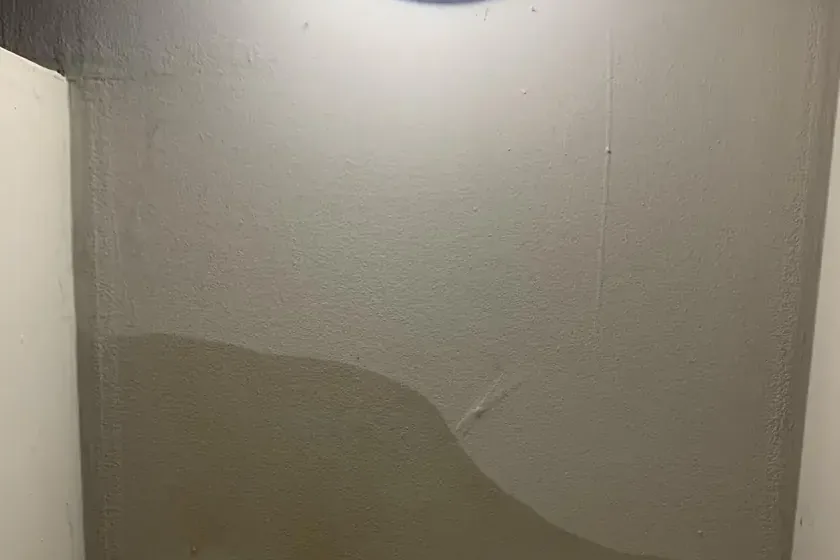
First steps for roof leak water damage in Dedham
- Observe the rain connection
Note whether the stain appears or grows during rainfall and record the room affected. Stay inside a safe area instead of attempting roof access during wet conditions.
- Restrict access under damage
Keep the space below sagging ceilings clear. Move reachable dry belongings away from drips only when doing so avoids unstable overhead materials and electrical hazards.
- Share the roof repair findings
Provide the interior assessor with the roofing contractor's description of the entry point. This helps connect exterior correction with the attic and ceiling materials needing inspection.
- Describe attic access limitations
Mention a narrow hatch, stored contents or uncertain footing before work is arranged. Safe access affects how insulation, framing and concealed wet sections can be evaluated.
What does roof leak water damage cost in Dedham, MA?
Roof leak cleanup pricing in Dedham reflects attic access, wet insulation and damage to rooms below. These ranges address the interior loss. Exterior roofing repair and replacement finishes should be identified separately wherever they fall outside the proposed cleanup scope.
- Accessible framing checks
- Focused insulation decisions
- Small drying footprint
- Overhead finish access
- Connected material inspection
- Broader equipment arrangement
- Wider interior spread
- Additional room protection
- Expanded drying documentation
Cost factors: Water category, wet square footage, material class and the time before drying starts shape the scope. Access beneath cabinets, retained insulation and multiple affected levels increase the work.
Use the water damage cost calculator to compare conditions. These typical ranges are planning estimates, not a quote for the property.
How roof leak water damage proceeds
Connect exterior and interior findings
The assessment records where rain entered and which interior surfaces show damage. Roof repair information helps trace the pathway, while moisture checks identify retained water away from obvious stains. The plan also accounts for overhead safety and access to occupied rooms beneath the affected roof space.
Assess insulation and ceiling materials
Wet insulation, damaged board and accessible framing are considered separately. Their condition and drying access determine what can remain and what needs removal. Any proposed opening should reveal the affected assembly efficiently while protecting sound finishes and the room below from unnecessary disturbance during cleanup.
Dry the retained roof-space assembly
After source control and material access, equipment addresses moisture in materials suitable for retention. The arrangement depends on attic access, room conditions and the extent of wet framing. Measurements are repeated at recorded locations so changes in moisture, rather than the absence of rain, determine progress.
Prepare an interior completion record
The closing documentation identifies materials removed, drying results and spaces awaiting finish repair. Roof work status is included as a separate source item. This record helps coordinate insulation replacement, ceiling repair and decoration, with any remaining restrictions explained before occupants resume ordinary use of the affected room.
Dedham receives precipitation throughout the year. A roof leak therefore needs a clear account of both the exterior opening and the interior water path. Even when dripping ends with the weather, insulation or framing can retain moisture that a ceiling stain only partly reveals from the occupied room below.
Describe when the rain-related staining appeared and which rooms sit beneath the affected roof space so interior inspection and source repair can be coordinated.
(888) 480-6221Trace rainwater through the interiorUse the weather pattern to organize inspection
Record when staining appeared and whether it changed during rainfall. A roofing contractor investigates the entry point while interior assessment checks the accessible attic and ceiling materials. Occupants should avoid climbing onto a wet roof or entering an attic with uncertain footing, damaged wiring or unstable ceiling surfaces.
- Photograph visible ceiling changes from a safe position indoors.
- Report attic access restrictions before inspection equipment is brought inside.
- Keep belongings away from active drips and overhead damage.
- Share roof repair findings with the interior cleanup assessor.
Precinct One occupies the northwestern corner of town, and Ogden's Woods lies between Beech Street and Turner Street. At nearby residential properties, the work is organized around the individual roof space, not a neighborhood assumption. The entry route and actual wet materials determine whether access is straightforward or needs additional planning.
Look beyond the first wet ceiling patch
Water may follow roof framing before dropping onto insulation or a ceiling joint. Several separated marks can therefore connect to the same pathway. Inspection should account for the observed route and check adjacent material boundaries rather than treating every visible spot as a separate small cosmetic repair.
A roof repair prevents further entry at the repaired defect, but saturated insulation and damaged ceiling board may still need attention. The cleanup plan identifies materials suitable for retention and those that obstruct drying or have lost integrity. Openings should be controlled and explained through the condition found in the assembly.
- Distinguish damp framing from insulation that holds liquid.
- Check wall tops below the wet roof-space section.
- Record source repair status before final interior closure.
Keep roof repair and drying connected
The Ames Schoolhouse now houses the town hall and senior center. Whether the affected space is residential or occupied for another purpose, access to rooms below a roof leak needs coordination. A ceiling hazard may restrict use even after exterior repairs are finished and rain has passed.
Ceiling damage cleanup and structural drying address the remaining interior conditions. Monitoring should show how retained materials respond and identify any unfinished replacement work. The handoff is most useful when it describes roof source correction separately from drying, ceiling closure and decoration.
Roof Leak Water Damage and the IICRC S500 standard
Moisture measurements
The technician compares wet materials with an unaffected reference of the same kind. Surface touch alone cannot show whether the full assembly has reached its drying goal.
Equipment adjustment
The drying team records temperature and relative humidity, then adjusts airflow and dehumidification when a cavity or dense material stops improving. Equipment stays until readings support removal.
Written progress
The restoration contractor records the initial condition, removal decisions and final readings. A dated record helps the homeowner understand what remains before repairs close the affected area.
Safe work boundaries
The response team separates wet work from occupied rooms, checks equipment power requirements and keeps exit routes open. Occupants keep children and pets clear of hoses and cords.
roof leak water damage service in Dedham
Roof leak assessments consider homes around Precinct One and Ogden's Woods, with cleanup access determined by the actual attic arrangement and damage in the rooms below.
The same service nearby: roof leak water damage in Milton, Canton, Quincy.
Roof Leak Water Damage questions in Dedham, MA
Can cleanup wait because the rain stopped?
Dripping can stop while insulation or framing remains wet. Interior assessment identifies retained moisture and ceiling hazards. Source repair and cleanup can then be coordinated around the conditions found above the room.
Is interior drying part of the roof repair?
The written scope should make that distinction clear. A roofing contractor corrects the exterior defect, while interior water damage work addresses affected insulation, framing and finishes. Coordinating findings helps avoid overlooking wet materials after the entry point has been repaired.
Why can the stain appear away from the roof opening?
Rainwater can travel along framing or other surfaces before it reaches the ceiling below. The assessment follows accessible water marks and moisture readings through that path. A visible stain alone may therefore describe only part of the affected interior area.
Should stored attic belongings be moved immediately?
Only safely reachable items should be considered for movement. An attic may contain unstable footing, electrical concerns or wet material hidden beneath stored contents. Explain the storage conditions first so access and handling can be planned without putting occupants at risk.
Will all the attic insulation be replaced?
The scope follows actual moisture exposure and material condition. Some insulation may remain outside the affected area, while wet sections may require removal to expose framing. The recommendation should identify the relevant sections and explain how that access supports drying.
What determines when ceiling repairs begin?
The source must be addressed and the retained assembly evaluated for readiness. Moisture findings, material stability and any outstanding electrical work shape the handoff. Cosmetic repairs follow those decisions so the ceiling is closed over an appropriately prepared space.
Related water damage services in Dedham


Finish the work beneath the roof
Interior moisture checks help define the insulation, framing and ceiling work still required after the roof opening has been repaired.