Ceiling Leak Water Damage in Quincy
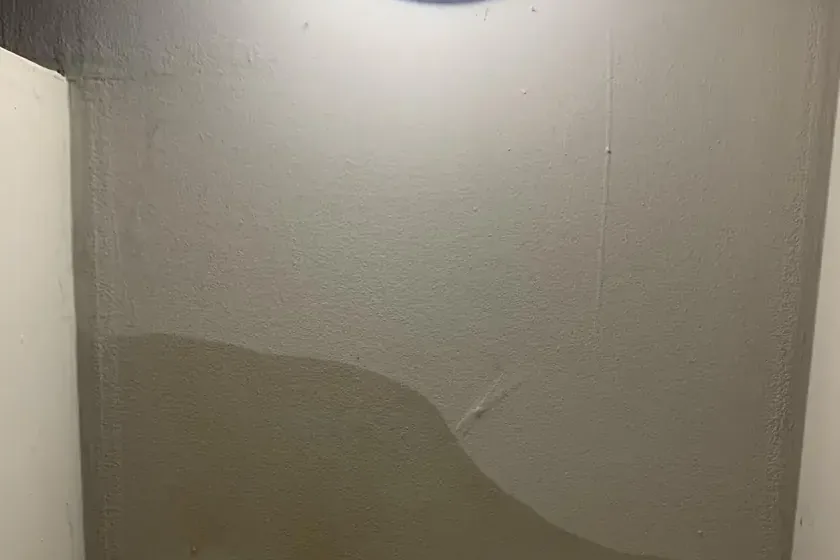
A ceiling stain marks the place water became visible, not necessarily where it started. Quincy ceiling cleanup traces the upper source while protecting the room beneath weakened finishes.
(888) 480-6221Describe the ceiling changes safely
First steps for ceiling leak water damage in Quincy
- Clear the area beneath
Occupants should remain away from sagging or loose overhead finishes until their condition has been assessed, even when the drip has recently stopped.
- Identify the upper space
The room, unit or roof area above the stain helps direct investigation. Access to that location may need coordination with building management or another occupant.
- Avoid wet lighting
Water around a fixture or electrical fitting needs qualified attention. Switching lights or handling nearby equipment should wait until the electrical conditions are assessed.
- Photograph from safe ground
Images showing the stain boundary and nearby wall edges can document changes without anyone standing directly beneath the damaged section of the ceiling.
What does ceiling leak water damage cost in Quincy, MA?
Ceiling leak cleanup in Quincy commonly fits example scopes from $900 to $4,500+. Opening size, wet insulation and connected cavities affect the estimate. Source repair and decorative ceiling finishes should be distinguished from drying work.
- Localized finish damage
- Accessible cavity edge
- Limited debris handling
- Broader overhead opening
- Wet insulation removal
- Expanded drying access
- Adjoining wall wetness
- Several concealed surfaces
- Complex access coordination
Cost factors: Water category, wet square footage, material class and the time before drying starts shape the scope. Access beneath cabinets, retained insulation and multiple affected levels increase the work.
Use the water damage cost calculator to compare conditions. These typical ranges are planning estimates, not a quote for the property.
How ceiling leak water damage proceeds
Assess the overhead condition
The first inspection considers sagging, loose material and electrical exposure before work begins beneath the ceiling. A safe working boundary is established. The source status and the accessibility of the space above are recorded so removal does not proceed without a plan for the continuing leak.
Connect upper and lower findings
Investigation compares the visible ceiling damage with conditions in the room or cavity above. Water paths along framing and adjoining surfaces are considered. The findings determine where access is useful and help avoid treating the center of a stain as the only affected location.
Expose materials that need treatment
Unstable or unsalvageable finishes are removed in a controlled manner. Insulation and retained structural surfaces are evaluated separately. The opening allows cleaning and drying where needed, while the room below remains protected from debris and kept outside ordinary traffic during active overhead work.
Verify readiness for patching
Moisture measurements track the condition of the retained cavity materials. The source repair is coordinated with that drying work. Before finish replacement, the record identifies completed removal, measured surfaces and outstanding repair needs so the ceiling is not enclosed merely because dripping has ended.
A brown ring, peeling paint or a new bulge can signal very different amounts of water above a ceiling. The first task is to keep people out from beneath unstable material. Puncturing a swollen area or climbing onto furniture to investigate can turn a contained hazard into falling debris and water.
Describe the stain, dripping and any change in ceiling shape from a safe position, including what occupies the space directly above the damage.
(888) 480-6221Describe the ceiling changes safelyFind the upper route
Marina Bay includes high-rise condominiums. In a building with occupied units above one another, a ceiling problem may require access beyond the room showing damage. The source could be associated with plumbing, an appliance or exterior entry, so the repair plan needs to follow the actual water path.
- Record the room above the mark when that information is available.
- Report dripping near lighting without touching the fixture or switch.
- Keep movable contents clear only when the room is safe.
- Describe changes in sagging or dripping from outside the hazard area.
Coordinate access across occupied spaces
Quincy Center is the city's commercial and government center, and Thomas Crane Public Library is located there. In surrounding occupied premises, opening a ceiling affects the use of the room below. A defined work boundary and an agreed route for removed materials help keep that disruption understandable.
The visible stain can be offset from the source because water follows framing or other surfaces before dropping. Inspection of the upper area and the ceiling cavity connects those points. Photographs of both locations make the reason for access openings clearer than a picture of the finished ceiling alone.
- Inspect the insulation exposed by a necessary ceiling opening.
- Check the wall where the overhead stain meets its edge.
- Separate loose finish removal from repair of the original leak.
Close the cavity only after assessment
Wet insulation may obstruct drying or require removal because of its condition. Retained joists and adjoining surfaces need measurements appropriate to the material. A ceiling that stops dripping can still contain damp layers, so the absence of new drops is only one part of the recovery decision.
The drying assessment should identify where readings were taken and what remains to be repaired. Stain blocking, plaster repair and painting belong after the water source and retained moisture have been addressed. The handoff then gives the finishing work a sound basis instead of hiding an unresolved cavity problem.
Ceiling Leak Water Damage and the IICRC S500 standard
Moisture measurements
The technician compares wet materials with an unaffected reference of the same kind. Surface touch alone cannot show whether the full assembly has reached its drying goal.
Equipment adjustment
The drying team records temperature and relative humidity, then adjusts airflow and dehumidification when a cavity or dense material stops improving. Equipment stays until readings support removal.
Written progress
The restoration contractor records the initial condition, removal decisions and final readings. A dated record helps the homeowner understand what remains before repairs close the affected area.
Safe work boundaries
The response team separates wet work from occupied rooms, checks equipment power requirements and keeps exit routes open. Occupants keep children and pets clear of hoses and cords.
ceiling leak water damage service in Quincy
Ceiling assessments include Marina Bay residences and occupied premises around Quincy Center, with upper source access coordinated before damaged finishes and concealed materials are addressed.
The same service nearby: ceiling leak water damage in Milton, Braintree, Randolph.
Ceiling Leak Water Damage questions in Quincy, MA
Should a swollen ceiling be punctured?
A sagging ceiling can release water and debris unexpectedly. Occupants should keep clear and arrange an assessment instead of making an opening themselves. Electrical fittings and unstable material make an improvised drainage attempt especially difficult to judge safely.
Can the leak begin away from the stain?
Water may travel along framing or another surface before reaching the visible ceiling mark. Inspection above and around the stain helps locate that route. Repairing only the painted surface leaves the source and concealed wet materials unaddressed.
Does building management need to be involved?
Shared access, another occupied unit or a common building area may require coordination. The useful information includes the affected room, visible changes and any known source above. Management can help arrange access while restoration assessment addresses the damaged assembly.
Will every ceiling section need replacement?
The scope depends on stability, material damage and access to wet layers. Some areas may remain while others need removal. The reason should be documented so the replacement boundary follows actual damage and drying requirements instead of a cosmetic stain alone.
Why is insulation part of the assessment?
Insulation can hold water and obstruct access to other wet materials. Its condition affects both removal and drying decisions. A ceiling opening provides a chance to inspect it directly before new finishes hide the cavity from view again.
Can painting begin once the spot fades?
A fading mark can leave the moisture condition inside the ceiling unresolved. The source must be corrected and retained materials assessed before patching. Painting follows that work, when the assembly is ready for the intended finish repair.
Related water damage services in Quincy
Make the room below safe again
A ceiling assessment connects visible damage with the upper source and the concealed materials that require attention before repair.