Burst Pipe Water Damage in Quincy
A broken supply pipe can keep feeding damage long after the first puddle appears. In Quincy, recovery starts with isolating that flow and tracing the rooms and concealed surfaces reached by the escape.
(888) 480-6221Report the pipe break and spread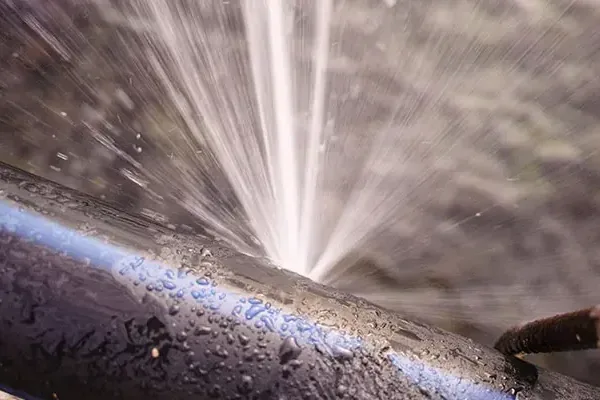
First steps for burst pipe water damage in Quincy
- Locate a safe shutoff
A clearly identified supply valve may be closed from dry footing. Nobody should cross pooled water or handle wet electrical equipment to reach it.
- Restrict the lower room
When water appears overhead, the room below should remain clear until the ceiling condition is assessed and any unstable material has been addressed safely.
- Describe connected damage
The report should name each wet room, including damp wall bases or flooring outside the space containing the broken section of household supply pipe.
- Keep the repair record
Photographs of the failure and the plumbing correction help connect the source to the damaged materials before openings are enclosed or floor coverings replaced.
What does burst pipe water damage cost in Quincy, MA?
Burst pipe cleanup in Quincy has example ranges from $1,200 to $5,500+. Connected rooms, overhead damage and concealed insulation can expand the scope. The estimate should separate water damage tasks from the plumbing repair and rebuilding work.
- Contained wet area
- Open extraction route
- Limited finish access
- Wet partition edges
- Additional floor layers
- Expanded drying zone
- Overhead assembly damage
- Multiple access areas
- Broader moisture tracking
Cost factors: Water category, wet square footage, material class and the time before drying starts shape the scope. Access beneath cabinets, retained insulation and multiple affected levels increase the work.
Use the water damage cost calculator to compare conditions. These typical ranges are planning estimates, not a quote for the property.
How burst pipe water damage proceeds
Confirm the escape is controlled
Inspection begins with the current water condition and the status of the plumbing repair. A broken section may be accessible while the resulting wetness is concealed elsewhere. The assessment records both the source location and the rooms requiring a closer material inspection.
Trace the pressure driven spread
Water paths are followed through connected floor and wall assemblies. Ceiling areas below the break receive attention where access is safe. The resulting map distinguishes visible surface wetting from absorbed moisture that remains behind trim, insulation or other enclosed layers after the supply stops.
Provide access for recovery
Liquid extraction and selective removal expose materials that need cleaning or drying. The condition of each finish informs what stays. Work boundaries protect occupied areas while openings, debris handling and equipment placement are coordinated around the plumbing access and the wider affected assembly.
Measure the retained structure
Repeated readings track the remaining moisture and identify areas that need a change in airflow or access. The drying record supports the finish repair decision. Any unresolved source issue or damaged material is identified before the active restoration work is considered ready for handoff.
The sound of running water inside a wall can precede visible damage in the room. Once a supply pipe breaks, water may follow framing, pass beneath a partition or collect on the level below. The restoration boundary therefore starts at the break but does not necessarily end in that room.
A useful description connects the broken pipe with every room showing water, softened finishes or a new ceiling mark after the supply escape.
(888) 480-6221Report the pipe break and spreadStop the feed before counting wet surfaces
An accessible shutoff can limit the loss when it can be reached from a safe, dry position. Wet electrical equipment and unstable ceilings require professional attention. The plumbing repair and the cleanup should be coordinated so a repaired section is checked before active drying relies on the water supply remaining contained.
- Describe whether water is spraying, dripping or still collecting indoors.
- Keep household traffic away from wet fixtures and loose finishes.
- Note which room first showed damage and what changed afterward.
- Include the level below when describing an upper room break.
Look sideways as well as downward
Wollaston contains residential and commercial properties. A supply break in a shared building can affect a living area and an adjoining workspace differently, depending on floor coverings and stored contents. Each affected space needs access and documentation even when the visible break is confined to a small utility area.
Hancock Street passes through Wollaston, North Quincy and Quincy Center. At a property along that corridor, the important interior route is the path the water took through doors, floor edges and wall openings. Moisture mapping keeps the assessment tied to those connected materials rather than stopping at a street-facing room.
- Check wall bases on both sides of a wet partition.
- Inspect floor transitions where escaping water can disappear beneath coverings.
- Examine the ceiling below the original plumbing failure when accessible.
Separate damaged layers from materials worth retaining
A saturated finish may need removal because it has lost integrity or blocks drying access. Sound framing can require a different approach. Explaining these choices material by material makes the scope easier to understand and avoids treating every wet surface as if it requires identical work.
Once liquid has been removed, controlled drying targets the retained assembly. Readings show whether concealed moisture is declining and where access needs adjustment. Before the room is closed, the record should identify the repaired source, the measured materials and the finish work still required to restore normal use.
Burst Pipe Water Damage and the IICRC S500 standard
Moisture measurements
The technician compares wet materials with an unaffected reference of the same kind. Surface touch alone cannot show whether the full assembly has reached its drying goal.
Equipment adjustment
The drying team records temperature and relative humidity, then adjusts airflow and dehumidification when a cavity or dense material stops improving. Equipment stays until readings support removal.
Written progress
The restoration contractor records the initial condition, removal decisions and final readings. A dated record helps the homeowner understand what remains before repairs close the affected area.
Safe work boundaries
The response team separates wet work from occupied rooms, checks equipment power requirements and keeps exit routes open. Occupants keep children and pets clear of hoses and cords.
burst pipe water damage service in Quincy
Pipe water damage assessments include properties around Wollaston and Hancock Street, following the connected rooms, concealed materials and affected levels after the supply escape is controlled.
The same service nearby: burst pipe water damage in Milton, Braintree, Randolph.
Burst Pipe Water Damage questions in Quincy, MA
Should the supply stay on to locate the break?
An active escape should be limited when a safe shutoff is available. A plumbing professional can determine how to investigate and test the damaged section. Keeping water flowing simply to watch the leak can enlarge the affected area inside the building.
Why is the neighboring room included?
Water can pass beneath partitions and floor coverings without leaving a large surface puddle. Inspecting adjacent materials establishes whether the damage extends beyond the original room. The scope should explain the readings or visible changes supporting that additional work.
Can a ceiling fail after the pipe is repaired?
Stopping the supply does not restore the strength of a saturated ceiling finish. Bulging, sagging or loose material needs assessment before the room is occupied. The overhead assembly can also retain water that still requires controlled access and removal.
Is clear supply water always a simple cleanup?
The original source is only part of the assessment. Water can contact residues, collect in concealed spaces and damage absorbent finishes. Its condition and the materials affected determine cleaning, removal and drying needs after the immediate plumbing escape is controlled.
What happens to insulation inside the wall?
Insulation must be assessed for saturation, contamination and its effect on drying access. Some affected material may need removal to reach the cavity. The plan should distinguish that decision from the treatment of framing or finishes that can remain.
When should the opening be closed?
The repair needs to be complete and the retained assembly ready for enclosure. Measurements and inspection support that decision. Covering an opening because the surface looks better can conceal moisture and make later investigation or drying more difficult.
Related water damage services in Quincy


Follow the break through the affected building
Source repair and material drying work together when the wet boundary is recorded beyond the most obvious puddle or damaged wall.