Burst Pipe Water Damage in Randolph
A broken supply pipe can send water into several surfaces before the first puddle is noticed. The restoration plan starts with isolation of the release and follows the wet path through connected rooms and cavities.
(888) 480-6221Report the pipe release and spread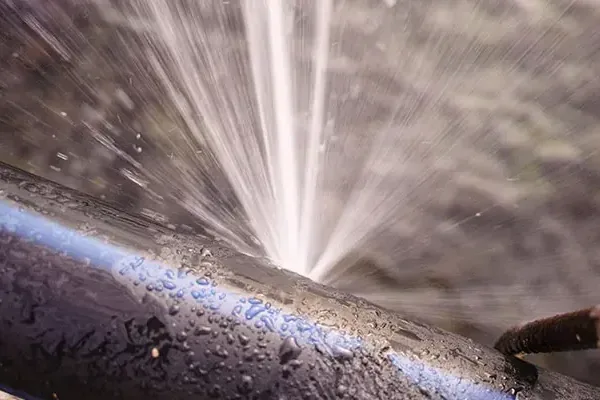
First steps for burst pipe water damage in Randolph
- Reach a safe shutoff
A known supply valve may stop the release if it is accessible from a dry location; occupants should avoid wet electrical equipment or unsafe flooring.
- Keep people below damage clear
Rooms beneath a wet or sagging ceiling need restricted entry until the overhead assembly has been assessed and any unstable material can be handled safely.
- Explain the path of water
The initial description should identify the broken pipe location, adjoining wet rooms and any lower level where water has appeared after the supply was isolated.
- Retain the repair information
The source photograph and plumbing description should stay with the damage record so the cleanup scope can be connected to the actual failed component afterward.
What does burst pipe water damage cost in Randolph, MA?
Burst pipe water damage costs in Randolph reflect the rooms and building layers reached by the release. Planning ranges below cover restoration complexity. Plumbing repair, electrical work and reconstruction should appear as clearly described tasks alongside the cleanup and drying scope.
- Localized water recovery
- Nearby trim inspection
- Contained drying area
- Cavity access decisions
- Multiple finish layers
- Expanded moisture tracking
- Vertical water travel
- Ceiling safety assessment
- Coordinated room drying
Cost factors: Water category, wet square footage, material class and the time before drying starts shape the scope. Access beneath cabinets, retained insulation and multiple affected levels increase the work.
Use the water damage cost calculator to compare conditions. These typical ranges are planning estimates, not a quote for the property.
How burst pipe water damage proceeds
Verify isolation and inspect access
The assessment begins with whether water is still releasing and how the damaged area can be reached. Wet electrical devices, compromised ceilings and slippery routes are identified. The pipe repair and cleanup can then be arranged around a safe access path and a defined boundary for the affected space.
Map connected wet assemblies
Water is traced through nearby floors, wall openings and any room below the break. Readings and visible changes help establish the scope beyond the initial puddle. The record identifies materials that need removal, those that can be retained and places where concealed moisture requires further inspection.
Remove water and expose drying surfaces
Recoverable water is extracted while damaged finishes are handled according to their condition. Access openings are coordinated with the plumbing repair where practical. Retained framing or flooring needs enough exposed surface for drying, so a repaired pipe alone does not close the restoration portion of the work.
Check progress before reconstruction
Equipment placement is adjusted to the wet materials and monitored through moisture readings. The completion record explains the dry condition of retained assemblies and any outstanding source or finish repairs. Replacement wallboard, trim and flooring should follow that handoff rather than conceal materials that remain wet.
The loud release may stop as soon as a valve closes, while water already inside a wall continues to drain onto the floor. Burst pipe damage in Randolph needs both a plumbing correction and an interior assessment. The wet area should be mapped after isolation so delayed drainage does not go unnoticed.
After a pipe release, describe the valve status, affected rooms and any water below the original break so the inspection can follow the full path.
(888) 480-6221Report the pipe release and spreadFollow the release beyond the pipe opening
Goose Corner sits at West Street and Cross Street. At a property in that area, the useful indoor details are the location of the break, the affected level and the direction water traveled. A wall cavity can connect damage above and below the visible opening, particularly where water reaches a ceiling.
The first inspection checks nearby electrical equipment and unstable finishes before anyone moves beneath or alongside them. A wet ceiling below the break needs its own boundary. Water that appears at a doorway may have traveled beneath flooring rather than across its exposed surface.
- Identify the shutoff used and whether the flow stopped.
- Photograph the failed pipe before replacement obscures the break.
- Check adjoining rooms for wet trim and floor transitions.
- Record any ceiling changes below the affected supply pipe.
Keep source repair and restoration connected
Randolph lists plumbing work among activities that may require permits or approvals. The proposed repair should account for those requirements while the restoration scope addresses extraction, damaged finishes and retained moisture. Closing a repair opening too early can hide an adjacent wet section that still needs access.
For properties around Crawford Square, room use may affect how the work is staged. A frequently used passage should be kept separate from equipment and removed materials where feasible. The goal is a defined work zone that allows the damaged assembly to be inspected without spreading water into unaffected space.
Assess the materials after the flow stops
Water extraction addresses puddles and recoverable water. Wallboard, insulation, flooring and framing then need individual decisions based on wetness and condition. Some materials can remain for drying; others block access or have lost the physical integrity needed for reuse in the repaired room.
When the release came through an upper cavity, ceiling leak cleanup may form part of the same project. Measured structural drying should finish before repair surfaces cover retained materials. The final record connects the failed source, affected rooms and remaining reconstruction work.
Burst Pipe Water Damage and the IICRC S500 standard
Moisture measurements
The technician compares wet materials with an unaffected reference of the same kind. Surface touch alone cannot show whether the full assembly has reached its drying goal.
Equipment adjustment
The drying team records temperature and relative humidity, then adjusts airflow and dehumidification when a cavity or dense material stops improving. Equipment stays until readings support removal.
Written progress
The restoration contractor records the initial condition, removal decisions and final readings. A dated record helps the homeowner understand what remains before repairs close the affected area.
Safe work boundaries
The response team separates wet work from occupied rooms, checks equipment power requirements and keeps exit routes open. Occupants keep children and pets clear of hoses and cords.
burst pipe water damage service in Randolph
Burst pipe assessments include properties near Goose Corner, West Street and Crawford Square, with attention to affected rooms, lower levels and access for the plumbing repair.
The same service nearby: burst pipe water damage in Milton, Braintree, Canton.
Burst Pipe Water Damage questions in Randolph, MA
Why does water keep dripping after shutoff?
Water already inside insulation, cavities or floor layers can continue to drain after the supply stops. The area still needs inspection even when the pipe is isolated. A plumbing professional can also verify whether the chosen valve fully controlled the source.
Should the wall opening be patched immediately?
A repair opening may also provide access to wet materials around the pipe. Before it is patched, the restoration assessment should establish whether the cavity needs cleaning, removal or drying. Covering it too early can interrupt that work and conceal retained moisture.
Can a burst pipe affect the floor below?
Water may follow framing or penetrations into another level. A room below the break should be checked for staining, dampness and unstable ceiling material. The inspection follows the actual water route rather than assuming damage remains beside the failed pipe.
Who determines the plumbing repair requirements?
The plumbing repair professional should identify the proposed work and applicable local approvals. The town lists plumbing among activities that may need permits. Restoration documentation should describe the separate water damage tasks so the property owner can coordinate both scopes clearly.
Does every wet wall need complete removal?
The decision depends on material condition, contamination and access to moisture within the assembly. A wall section that can dry may be retained, while damaged or inaccessible layers may need removal. The scope should give a practical reason for the proposed boundary.
What records help after a sudden break?
Photographs of the source, affected rooms and wet belongings establish the initial condition. The plumbing repair description, cleanup scope and moisture readings document what followed. Together they help explain the sequence to the property owner, repair trades and any insurer evaluating the loss.
Related water damage services in Randolph


Turn source control into a complete cleanup plan
Arrange inspection of connected surfaces before the repair opening disappears behind a new finish.