Sewage Backup Cleanup in Canton
Wastewater inside a building changes how people, equipment and damaged belongings move through it. Sewage cleanup begins by defining the contaminated area and coordinating the drain repair needed to stop further entry.
(888) 480-6221Describe the wastewater affected space
First steps for sewage backup cleanup in Canton
- Restrict entry immediately
Keep occupants and animals outside the affected rooms, and identify an alternative route through the property that avoids wastewater and exposed belongings.
- Report the drain behavior
Describe the fixtures involved and whether water continues returning, so the plumbing investigation starts with the building's actual symptoms and current conditions.
- Leave affected contents contained
Do not relocate wet furnishings through clean rooms without a handling plan; photograph visible damage from safety and preserve the item record.
- Coordinate authorized access
Make sure the responsible owner or manager can arrange entry, approve necessary material removal and communicate room restrictions to everyone using the building.
What does sewage backup cleanup cost in Canton, MA?
Sewage backup cleanup in Canton is priced around exposure, removal volume and the materials that can be cleaned. Ask for the contamination boundary, disposal work and drying scope in writing, with drain repair and reconstruction responsibilities identified separately.
- Restricted cleaning footprint
- Accessible surface treatment
- Controlled liquid removal
- Absorbent material decisions
- Documented disposal work
- Opened edge cleaning
- Broader removal routes
- Several exposed assemblies
- Expanded structural drying
Cost factors: Water category, wet square footage, material class and the time before drying starts shape the scope. Access beneath cabinets, retained insulation and multiple affected levels increase the work.
Use the water damage cost calculator to compare conditions. These typical ranges are planning estimates, not a quote for the property.
How sewage backup cleanup proceeds
Establish a controlled contamination boundary
The assessment identifies the exposed rooms, adjacent traffic routes and any ongoing wastewater entry. It evaluates utilities and access before cleanup proceeds. The resulting plan addresses how workers, equipment and removed materials will move so the work area remains separate from unaffected occupied spaces.
Remove wastewater and unsuitable absorbent materials
Accessible liquid is collected with appropriate handling, and exposed porous materials are evaluated for removal. Items requiring documentation are recorded before disposal where practical. The work also checks concealed layers at the spill edge so the removal scope follows the actual contamination route through the building.
Clean retainable surfaces and inspect recesses
Hard surfaces suitable for retention receive cleaning after gross water and debris removal. Edges, penetrations and opened cavities are included where exposure occurred. The assessment then identifies the structural materials still holding moisture, establishing which areas need drying access after contamination handling has been completed.
Document drying and remaining reconstruction
Measurements track retained material condition during the drying stage. The closing record links the source investigation, removed items and cleaning work with those readings. It also identifies finish replacement and unresolved repair tasks so returning the property to normal use follows the completed scope and actual conditions.
A sewage return in Canton can affect more than the floor where it first appears. Foot traffic, wet belongings and concealed building joints can extend the cleanup boundary. The response needs a defined affected area, a controlled removal route and an investigation of the drain condition that allowed wastewater inside.
Describe affected drains, exposed rooms and any continued return of wastewater so the discussion can address source investigation and controlled movement through the property.
(888) 480-6221Describe the wastewater affected spaceDocument the building symptoms precisely
Canton Public Works lists sewer cleaning and inspection operations on Curtis Rd, Roberts Rd, and Ames Ave. When reporting an interior problem, identify the actual drain or fixture involved, whether several fixtures are affected and whether wastewater continues to rise. That description helps the appropriate provider investigate the source.
A backup that reaches a lower room may leave the entry fixture hidden by water or stored belongings. Occupants should remain outside the affected area and avoid using fixtures that could add to the problem until the plumbing provider gives appropriate direction. Access restrictions should be communicated to everyone using the property.
Make removal routes part of the scope
- Separate clean hallways from the area where contaminated equipment is handled.
- Record exposed contents before disposal when photographs can be taken safely.
- Keep absorbent furnishings from being carried uncovered through occupied spaces.
- Include hidden floor layers that wastewater reached beyond the visible edge.
Some porous materials cannot be adequately cleaned after sewage exposure and need removal. Suitable hard surfaces require deliberate cleaning, including edges and recesses. The plan should explain how waste and damaged material will leave the building without transferring the problem to unaffected rooms along the way.
For a loss contained near a fixture, toilet overflow cleanup addresses the bathroom and adjoining threshold. More extensive water in a lower room also requires basement removal planning, where utilities and submerged obstructions can limit safe access.
Dry the structure after contamination handling
Equipment used to remove moisture is not a substitute for cleaning. Once contaminated material decisions are complete, retained framing and other accessible assemblies receive a drying plan. Progress records should identify the material locations checked so completion is tied to the actual building rather than room appearance.
The town restoration overview describes the adjoining services needed when wastewater reaches several assemblies. Keep source findings, disposal notes and cleaning records together with the drying documentation. The final handoff should clearly identify remaining reconstruction and any access restrictions that still apply to the space.
Sewage Backup Cleanup and the IICRC S500 standard
Moisture measurements
The technician compares wet materials with an unaffected reference of the same kind. Surface touch alone cannot show whether the full assembly has reached its drying goal.
Equipment adjustment
The drying team records temperature and relative humidity, then adjusts airflow and dehumidification when a cavity or dense material stops improving. Equipment stays until readings support removal.
Written progress
The restoration contractor records the initial condition, removal decisions and final readings. A dated record helps the homeowner understand what remains before repairs close the affected area.
Safe work boundaries
The response team separates wet work from occupied rooms, checks equipment power requirements and keeps exit routes open. Occupants keep children and pets clear of hoses and cords.
sewage backup cleanup service in Canton
Wastewater assessments near Route 138 and Washington Street include entry permission, clean access routes and the occupied spaces that must remain separated from contaminated materials.
The same service nearby: sewage backup cleanup in Milton, Randolph, Dedham.
Sewage Backup Cleanup questions in Canton, MA
Can a strong cleaner replace professional cleanup?
A surface product cannot reach every concealed layer or make all absorbent materials suitable for retention. Sewage exposure needs a defined boundary, material decisions and controlled handling. The plan should address those conditions before the remaining structure is dried.
Should windows and fans be used immediately?
Air movement needs to fit the contamination control plan. Improvised equipment can disturb affected surfaces without resolving the source or cleaning problem. Keep access restricted and let the cleanup assessment determine the appropriate sequence for removal, cleaning and later drying.
Why document items that will be discarded?
Photographs and item descriptions can preserve a useful loss record once contaminated belongings leave the building. Documentation should be gathered without unsafe handling. Keep it with disposal notes, cleaning invoices and the source repair record so the work remains understandable afterward.
Does clearing the drain make the room usable?
Restoring drainage addresses the source behavior but leaves exposed surfaces and materials behind. Those areas still need appropriate cleaning, removal decisions and moisture treatment. Normal occupancy should follow the condition of the affected space, not only the operation of the drain.
Can wastewater remain beneath an intact floor covering?
Water may enter at seams and perimeter edges, reaching layers that are difficult to clean from above. Inspection and selective access help establish the exposure. The covering's appearance alone is insufficient for deciding that the underlying assembly can remain untreated.
What separates cleanup from reconstruction?
Cleanup removes wastewater, handles contaminated materials and treats the retained structure. Reconstruction replaces finishes or assemblies removed during that work. The proposal should explain where those responsibilities meet and identify any repair that remains necessary before the room is fully restored.
Related water damage services in Canton
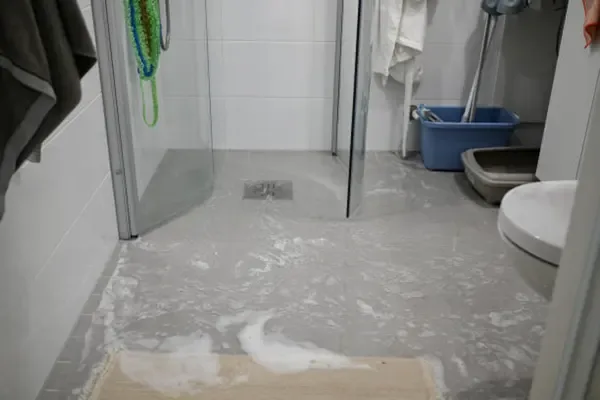

Keep the cleanup boundary clear
Removal, cleaning and measured drying form a connected sequence for the structural materials that remain after sewage exposure.