Sewage Backup Cleanup in Randolph
Wastewater rising through a drain creates a contact problem that extends beyond the visible pool. Cleanup isolates the affected space, documents the spread and separates contaminated porous materials from surfaces suitable for cleaning.
(888) 480-6221Report where wastewater entered
First steps for sewage backup cleanup in Randolph
- Exclude contact with wastewater
Occupants should remain outside the affected room and keep pets away, avoiding movement of wet belongings or footwear through clean areas while assessment is arranged.
- Report the releasing drain
Describe where wastewater appeared, whether it is still rising and whether other fixtures show a problem, using observations made without entering the contaminated area.
- Arrange the source investigation
A plumbing assessment establishes the property problem, while suspected public system concerns can be directed to the municipal sewer contact alongside the indoor cleanup request.
- Preserve a safe damage record
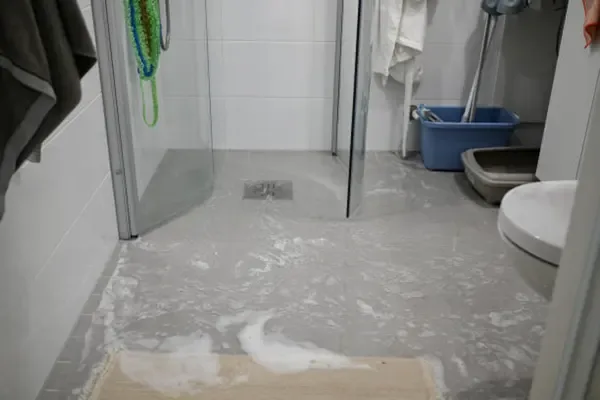
Photographs from unaffected space should show the spread, contacted contents and any blocked access before controlled removal changes the room's condition and visible water marks.
What does sewage backup cleanup cost in Randolph, MA?
Sewage backup cleanup in Randolph varies with contaminated area, absorbent materials and the route for safe removal. These ranges support restoration planning. Drain correction, disposal, cleaning and drying should have clear descriptions so the property owner understands each part of the scope.
- Defined wastewater boundary
- Accessible surface treatment
- Limited debris handling
- Contaminated layer removal
- Concealed surface access
- Retained material drying
- Multiple contacted rooms
- Complex contents handling
- Broader cleanup coordination
Cost factors: Water category, wet square footage, material class and the time before drying starts shape the scope. Access beneath cabinets, retained insulation and multiple affected levels increase the work.
Use the water damage cost calculator to compare conditions. These typical ranges are planning estimates, not a quote for the property.
How sewage backup cleanup proceeds
Set the contaminated work area
The assessment identifies the entry drain, water spread and contacted contents. Electrical concerns and safe entry are considered alongside contamination. The work boundary includes the path needed to remove debris, with arrangements that keep occupants and unaffected rooms apart from wastewater, equipment and materials leaving the cleanup zone.
Remove water and unsuitable absorbent material
Wastewater recovery proceeds with equipment selected for the conditions. Porous finishes and contents are evaluated for removal based on contact and restorability. The scope documents what leaves the property and exposes concealed layers so contaminated water does not remain beneath a surface that appears clear after extraction.
Clean the surfaces retained in place
Accessible structural and hard surfaces receive cleaning appropriate to the contamination. Recesses, floor edges and newly opened cavities are checked for remaining residues. The completion of this stage establishes a suitable starting point for drying, rather than relying on fragrance, appearance or a reduction in visible standing water.
Dry and document the recovery boundary
Retained wet materials are monitored through the drying stage while source repair status remains documented. The final record identifies the cleanup area, removal decisions and moisture findings. Any remaining reconstruction tasks are separated from sewage handling so replacement finishes are installed after the affected assembly has received the required work.
A backed up drain can wet the undersides of stored items before wastewater becomes obvious across the room. Sewage cleanup in Randolph needs a controlled boundary around all contacted materials. The restoration assessment follows the wastewater from its entry point and identifies where cleaning access is blocked by finishes, furnishings or stored contents.
Report the drain where wastewater appeared, the rooms contacted and any access restriction. A clear description helps establish a controlled assessment and removal route.
(888) 480-6221Report where wastewater enteredDistinguish wastewater from the storm drainage system
The town has a Water & Sewer Division and also operates a municipal separate storm sewer system. Its stormwater program addresses runoff and pollutant discharge. An indoor wastewater backup needs source investigation at the affected property, with municipal sewer questions directed to the appropriate division when a public system issue is suspected.
North Randolph, New Dublin and Crawford Square provide location references for arranging assessment. Within the property, the important details are which drain released wastewater, whether the release continues and which rooms were contacted. Those observations help define an initial work area while the blockage or other source problem is investigated.
Make material decisions before moving air
- Restrict people and pets from the contaminated floor area.
- Keep affected possessions away from clean rooms and passages.
- Identify porous layers beneath visible flooring or wall finishes.
- Plan the removal route before wet debris leaves the room.
Some hard surfaces can be cleaned after recovery, while contaminated absorbent materials may need removal. The assessment should explain the difference for each affected assembly. Carpet padding, wallboard and stored paper items present different handling decisions from an accessible hard floor. Cleanup completion requires inspection of the contacted materials and the work performed.
The work zone also includes equipment movement. Hoses, removed finishes and wet contents should not travel through unaffected areas without a defined handling plan. A clear route limits transfer of wastewater residues while providing enough access to inspect the room perimeter, recesses and any connected cavity reached by the backup.
Restore the retained structure after cleaning
A backup limited to a bathroom may also involve toilet overflow cleanup. Lower room accumulation can require basement water removal. The water source determines contamination handling across either setting, even where the depth of liquid is relatively shallow.
After removal and suitable cleaning, structural drying addresses moisture remaining in retained materials. The closing record should identify the source correction, affected area, removed contents and cleaned surfaces. Replacement finishes follow that work and the drying findings rather than conceal layers still needing attention.
Sewage Backup Cleanup and the IICRC S500 standard
Moisture measurements
The technician compares wet materials with an unaffected reference of the same kind. Surface touch alone cannot show whether the full assembly has reached its drying goal.
Equipment adjustment
The drying team records temperature and relative humidity, then adjusts airflow and dehumidification when a cavity or dense material stops improving. Equipment stays until readings support removal.
Written progress
The restoration contractor records the initial condition, removal decisions and final readings. A dated record helps the homeowner understand what remains before repairs close the affected area.
Safe work boundaries
The response team separates wet work from occupied rooms, checks equipment power requirements and keeps exit routes open. Occupants keep children and pets clear of hoses and cords.
sewage backup cleanup service in Randolph
Sewage assessments cover affected properties in North Randolph, New Dublin and Crawford Square, with controlled access arranged around the entry drain, contacted rooms and removal route.
The same service nearby: sewage backup cleanup in Milton, Braintree, Canton.
Sewage Backup Cleanup questions in Randolph, MA
Can occupants clean the visible pool first?
Sewage contact requires restricted access and controlled cleanup. Moving wastewater or wet items can spread contamination into clean rooms. Photographs from a dry position help document the loss while appropriate recovery and cleaning arrangements are made.
Does a stopped drain mean the room is safe?
Correcting the source stops further release, but wastewater remains on contacted surfaces and in absorbent materials. The room needs its own cleanup assessment. Removal, cleaning and retained moisture checks address conditions left behind after the drain begins working again.
Why are some floor coverings removed?
Wastewater can penetrate absorbent layers that cannot be effectively cleaned in place. The scope should identify those materials and explain removal decisions. The floor beneath also needs access so retained residues and moisture are addressed before any replacement covering is installed.
Are runoff drains and household wastewater identical?
The town operates a separate storm sewer system for stormwater. A household wastewater backup requires investigation of the drain or sewer issue affecting the property. Identifying the actual entry helps direct the repair contact and the contamination assessment inside the building.
Can odor determine when cleanup is finished?
Odor is only an observation and should not serve as the completion standard. The work record should identify removal, cleaning and drying performed on the affected materials. Concealed residues and moisture need direct assessment even when the room smells less noticeable afterward.
What documentation should remain with the property?
The record should include the entry point, contacted rooms and contents, removal decisions, cleaning scope and moisture findings. Source repair information belongs alongside it. This material helps the owner coordinate reconstruction and explain the completed work to other repair professionals or an insurer.
Related water damage services in Randolph

Recover the space after a sewer backup
Coordinate source correction with material removal, cleaning and drying throughout the affected interior boundary.