Toilet Overflow Cleanup in Canton
Water crossing a bathroom threshold can spread contamination into adjoining flooring. An overflow needs source control, restricted access and inspection beneath the fixture area before ordinary household traffic resumes through the space.
(888) 480-6221Describe the bathroom overflow boundary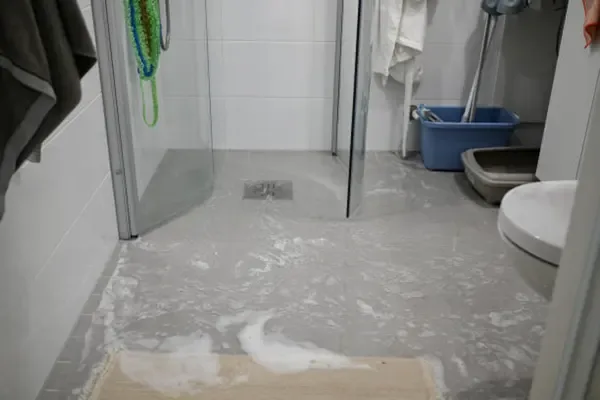
First steps for toilet overflow cleanup in Canton
- Leave the fixture unused
Avoid another flush after an overflow and arrange plumbing attention, reporting whether other nearby drains are also slow or sending water back.
- Restrict the affected doorway
Keep people and pets out of the spill area, including wet threshold materials that can transfer contamination into adjoining rooms on footwear.
- Report the concealed edges
Mention water beside the vanity, beneath a floor covering or through a ceiling below so the assessment includes more than the exposed tile.
- Preserve safe damage records
Photograph visible conditions from outside the affected area and keep cleanup records separate from the plumber's explanation of the fixture or drain fault.
What does toilet overflow cleanup cost in Canton, MA?
Toilet overflow cleanup costs in Canton reflect the spill boundary, contamination and the floor layers affected. The estimate should identify cleaning, removal and drying, with fixture repair and replacement finishes distinguished from the bathroom restoration work itself.
- Accessible hard surfaces
- Controlled water removal
- Localized cleaning area
- Threshold material checks
- Adjoining finish decisions
- Expanded contamination boundary
- Concealed layer access
- Lower space assessment
- Broader drying arrangement
Cost factors: Water category, wet square footage, material class and the time before drying starts shape the scope. Access beneath cabinets, retained insulation and multiple affected levels increase the work.
Use the water damage cost calculator to compare conditions. These typical ranges are planning estimates, not a quote for the property.
How toilet overflow cleanup proceeds
Define the spill and access restrictions
The initial assessment identifies the water source, affected floor area and routes into clean rooms. Fixture use is stopped while the plumbing fault is investigated. The work plan establishes where occupants can move and how equipment and removed materials will enter and leave the affected bathroom.
Remove water and assess absorbent finishes
Accessible liquid is collected using handling appropriate to the observed contamination. Floor coverings, trim and adjacent cabinet materials are evaluated according to exposure and cleanability. The assessment extends across the threshold and below the room when the spill has traveled beyond the visible bathroom floor.
Clean suitable surfaces and expose hidden wet areas
Retainable hard surfaces receive controlled cleaning, while materials requiring disposal are separated from the remaining structure. Selective access is planned where water entered concealed layers. This creates a practical basis for drying instead of leaving affected material trapped behind a clean looking surface.
Track remaining moisture and prepare the handoff
Drying measurements focus on the retained floor and adjoining assemblies after cleaning. The closing record identifies plumbing repair status, removed materials and finishes still requiring replacement. Restoring fixture operation and returning the room to normal use are coordinated with the actual cleanup and material conditions.
An overflowing toilet in Canton should be treated as a room contamination problem as well as a plumbing problem. The fixture needs attention, but water that already crossed the floor can remain under a threshold, beside a vanity or within absorbent materials after the visible flow stops.
Describe the spill edge and affected flooring beyond the bathroom so the discussion covers contamination handling, fixture repair and concealed moisture.
(888) 480-6221Describe the bathroom overflow boundarySeparate the fixture fault from the spill
Canton Public Works lists sewer cleaning and inspection operations for Curtis Rd, Roberts Rd, and Ames Ave. Inside an affected bathroom, the plumber's investigation focuses on the actual fixture and drain behavior. Cleanup documents where the spill traveled and what it contacted, so repair findings and material decisions remain connected.
Repeated flushing can add water to an unresolved overflow. Stop using the fixture and keep other occupants informed. If more than one drain is behaving abnormally, report that pattern to the plumbing provider because the source investigation may need to extend beyond the toilet itself.
Contain movement across the doorway
- Keep pets and children away from the affected bathroom and threshold.
- Avoid carrying wet towels or rugs into otherwise clean living areas.
- Report water beneath the vanity or beside a shared wall.
- Include any stain appearing on the ceiling directly below the bathroom.
The cleaning boundary should extend to the actual spill edge. A bathroom floor can be relatively accessible while its doorway introduces absorbent carpet or layered wood. Those materials need separate evaluation for contamination and retained moisture. Wiping the visible tile does not address what may have entered the assembly beneath.
If wastewater has spread broadly or returned through several drains, sewage backup cleanup addresses the wider handling problem. Where the loss reached another level, the ceiling assessment includes stability and cavity access as well as the visible stain.
Dry only after the cleaning decision
Absorbent materials that cannot be adequately cleaned may need removal. Suitable hard surfaces receive cleaning, with access to concealed wet areas established before equipment is placed. Air movement should be part of the planned treatment sequence, not an improvised first response that spreads contamination around an occupied room.
After cleaning, remaining structural moisture is measured and managed. The town service hub connects that stage with drying and floor restoration. Closing notes should identify the fixture repair status, the exposed materials treated and any removed finishes awaiting replacement before normal bathroom use is fully restored.
Toilet Overflow Cleanup and the IICRC S500 standard
Moisture measurements
The technician compares wet materials with an unaffected reference of the same kind. Surface touch alone cannot show whether the full assembly has reached its drying goal.
Equipment adjustment
The drying team records temperature and relative humidity, then adjusts airflow and dehumidification when a cavity or dense material stops improving. Equipment stays until readings support removal.
Written progress
The restoration contractor records the initial condition, removal decisions and final readings. A dated record helps the homeowner understand what remains before repairs close the affected area.
Safe work boundaries
The response team separates wet work from occupied rooms, checks equipment power requirements and keeps exit routes open. Occupants keep children and pets clear of hoses and cords.
toilet overflow cleanup service in Canton
Bathroom cleanup planning near Ponkapoag and Pleasant Street includes the adjoining doorway, any occupied space below and a route that keeps affected materials away from clean rooms.
The same service nearby: toilet overflow cleanup in Milton, Randolph, Dedham.
Toilet Overflow Cleanup questions in Canton, MA
Should the toilet be flushed again to test it?
Further use can enlarge the spill while the cause remains unresolved. Leave the fixture unused and report the symptoms to the plumbing provider. Include any other affected drains so the source investigation accounts for the wider behavior of the system.
Is mopping the tile enough after an overflow?
Tile may be only one of the exposed materials. Water can reach grout joints, floor edges, a vanity base or an adjoining absorbent covering. The cleanup assessment should establish the spill boundary and identify which surfaces and concealed layers need additional treatment.
Can bathroom rugs be moved into another room?
Wet rugs can transfer contamination along the movement route and onto dry finishes. Their handling should be planned according to exposure and condition. Keep the area restricted and avoid carrying affected items through clean rooms as an improvised way to clear the floor.
Why might the room below need inspection?
Water can pass through penetrations or floor joints and collect above a lower ceiling. A stain may appear after the bathroom surface is wiped clean. Access below helps identify that concealed damage and any overhead stability or electrical concern that needs attention.
Can a fan help immediately after the spill?
Air movement should follow the contamination assessment and cleaning plan. An ordinary fan placed before controlled cleanup can disturb the affected area without resolving water trapped in materials. Equipment choices belong to the treatment sequence established for the actual condition of the room.
What should be clear before normal bathroom use resumes?
The fixture fault needs attention, affected materials need appropriate cleaning or removal, and retained moisture needs assessment. The handoff should identify remaining finish work and any access restrictions. A working flush alone does not describe the condition of the surrounding building materials.
Related water damage services in Canton


Contain the spill beyond the fixture
A clear room boundary helps connect cleaning with drying and the repairs needed before the bathroom returns to use.