Toilet Overflow Cleanup in Dedham
A bathroom overflow needs an early distinction between water from the fixture and a wider drain problem. Keep the area separated while the source, contamination and spread beyond the doorway are assessed.
(888) 480-6221Discuss the bathroom overflow conditions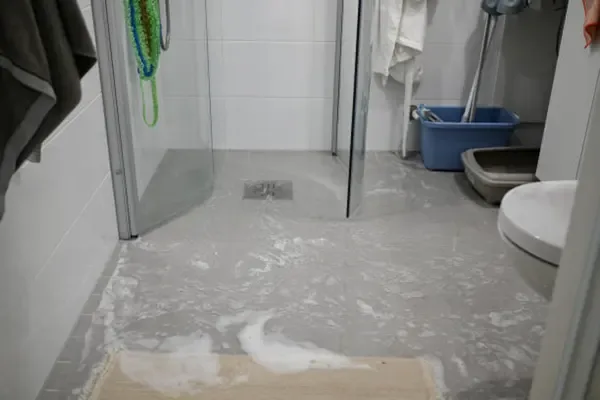
First steps for toilet overflow cleanup in Dedham
- Leave the affected toilet unused
Avoid flushing again or testing neighboring fixtures when a wider backup is suspected. Describe existing drain behavior to the plumber so additional water is not added during investigation.
- Separate the bathroom from traffic
Keep occupants and animals out of the spill area. Avoid carrying wet towels, exposed belongings or contaminated footwear into other rooms before handling arrangements are established.
- Record the route beyond the fixture
From a dry position, note water at the doorway and any change in the ceiling below. Those observations help identify connected materials that need inspection during cleanup.
- Explain available household access
Tell the assessor which other rooms and entrances remain usable. A clear access plan helps keep cleanup equipment and removed materials away from occupied dry areas.
What does toilet overflow cleanup cost in Dedham, MA?
Dedham toilet overflow costs vary with water condition and the distance it travels through building materials. A confined bathroom differs from a spill beneath adjoining finishes. The written estimate should identify cleaning, access and drying separately from fixture repair.
- Accessible liquid collection
- Bathroom surface cleaning
- Local moisture checks
- Threshold material assessment
- Adjacent finish access
- Wider cleaning boundary
- Connected cavity inspection
- Additional material removal
- Expanded drying record
Cost factors: Water category, wet square footage, material class and the time before drying starts shape the scope. Access beneath cabinets, retained insulation and multiple affected levels increase the work.
Use the water damage cost calculator to compare conditions. These typical ranges are planning estimates, not a quote for the property.
How toilet overflow cleanup proceeds
Identify the release and exposure
The assessment distinguishes the observed fixture overflow from indications of a broader drain issue. Plumbing findings help establish source status, while cleanup evaluation records water contact and affected surfaces. The work boundary is set before exposed contents are moved or liquid is collected from the bathroom.
Inspect thresholds and connected cavities
Accessible floor edges, fixture surroundings and doorway materials are checked for spread. If water traveled downward, the lower room is included in the assessment. The scope documents those connections and explains any access needed to inspect or treat moisture concealed beneath finishes after the spill.
Remove and clean affected materials
Contaminated liquid and unsuitable materials are handled within the established work area. Retained surfaces receive appropriate cleaning before drying equipment is arranged. Contents decisions are recorded separately, allowing the homeowner to understand which items were moved, removed or left for further evaluation after exposure.
Verify the retained assembly condition
Material measurements track drying in the affected floor and adjoining accessible areas. The final account connects those findings with source repair and any replacement work still outstanding. Bathroom use is coordinated around the actual work conditions, including open finishes and the need to keep remaining equipment undisturbed.
The Town of Dedham documented sewage backups into homes, onto properties and along roads within its sewer inspection project area. For an individual bathroom overflow, the first task is identifying the source and water condition. A fixture problem and a broader backup require different plumbing investigation even when the bathroom floor looks similar.
Describe the overflow, unusual drain behavior and rooms reached by the spill so bathroom cleanup can be scoped accurately.
(888) 480-6221Discuss the bathroom overflow conditionsDescribe fixture behavior without further testing
Stop using the affected toilet. If other drains are backing up or gurgling, report those observations rather than running additional fixtures to test the system. A plumber evaluates the cause while cleanup planning considers contamination, electrical access and the rooms exposed to water leaving the bathroom.
- Keep people and animals away from the affected floor.
- Report whether the water came from the bowl or a connection.
- Leave contaminated towels and belongings within the controlled area.
- Avoid carrying exposed footwear through dry occupied rooms.
The sewer project includes Manor and portions of Oakdale and Greenlodge. At a property in that area, observed drain behavior is useful information for the plumber. The cleanup scope still follows the actual spill: what it contacted, whether it crossed a threshold and which materials absorbed it.
Inspect the bathroom boundary carefully
A tiled surface does not seal every route out of a room. Water can pass around a fixture base, through joints or beneath the doorway trim. The assessment checks accessible edges and considers the room below when the observed pathway points downward. Hidden moisture may remain after the visible floor has been cleaned.
Contact with waste changes handling requirements. Porous finishes and exposed contents need individual decisions based on their condition and contamination. A clear scope explains what is removed, what retained surfaces receive cleaning and how the work area is separated from the household's remaining usable spaces during the cleanup.
- Check trim and flooring directly outside the bathroom doorway.
- Record visible damage below penetrations in the affected floor.
- Separate the fixture repair from contaminated material handling.
Complete cleaning before judging the dry-out
If the inspection identifies a broader wastewater release, sewage backup cleanup provides the relevant handling scope. Liquid removal alone is insufficient where contaminated finishes remain. Cleaning and necessary access prepare the retained structure for a drying setup that can be monitored through material readings.
The final record should identify the source findings, affected rooms and material decisions. A repaired toilet and a clean-looking tile surface may represent only part of the completed work. Documented moisture condition and remaining finish repairs make the handoff useful before the bathroom and any connected spaces resume normal use.
Toilet Overflow Cleanup and the IICRC S500 standard
Moisture measurements
The technician compares wet materials with an unaffected reference of the same kind. Surface touch alone cannot show whether the full assembly has reached its drying goal.
Equipment adjustment
The drying team records temperature and relative humidity, then adjusts airflow and dehumidification when a cavity or dense material stops improving. Equipment stays until readings support removal.
Written progress
The restoration contractor records the initial condition, removal decisions and final readings. A dated record helps the homeowner understand what remains before repairs close the affected area.
Safe work boundaries
The response team separates wet work from occupied rooms, checks equipment power requirements and keeps exit routes open. Occupants keep children and pets clear of hoses and cords.
toilet overflow cleanup service in Dedham
Bathroom overflow assessment includes Manor, Oakdale and Greenlodge properties, with cleanup boundaries following the actual fixture release, contamination and spread into adjoining finishes or lower rooms.
The same service nearby: toilet overflow cleanup in Milton, Canton, Quincy.
Toilet Overflow Cleanup questions in Dedham, MA
Should another flush be used to check the toilet?
Leave the toilet unused until the cause is assessed. Report unusual behavior already noticed in nearby drains. Avoid running fixtures to reproduce the problem or add water while cleanup access is arranged.
Is water from a toilet always handled the same way?
The origin and contact history matter. Water from a supply connection differs from an overflow involving bowl contents or a sewer backup. The assessment identifies the actual exposure so removal, cleaning and decisions about porous materials match the conditions found in the bathroom.
Why look outside a tiled bathroom?
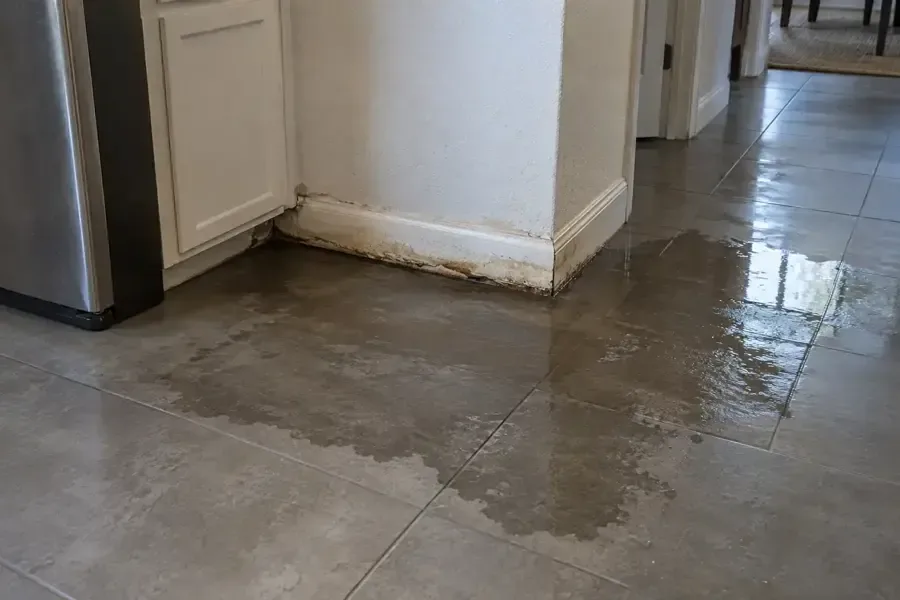
Water can cross a doorway or enter gaps around finishes and penetrations. The visible tile surface may therefore show only part of the spill. Adjacent trim, floor layers and a room below may need inspection when the observed pathway indicates they were reached.
Can towels used on the spill go through the house?
Keep exposed items within the affected area until their handling is decided. Carrying them through occupied rooms can spread contamination. The cleanup plan should provide a controlled route and destination for wet belongings rather than relying on ordinary household movement during the work.
When is a sewage cleanup scope needed?
If wastewater contamination or a broader backup is identified, the work needs the corresponding handling and cleaning measures. The plumbing investigation addresses the cause. Cleanup separately evaluates contaminated contents, porous finishes and retained surfaces before planning the drying of the remaining structure.
What makes the bathroom ready for repair?
The source needs correction, affected materials need treatment and retained assemblies need moisture assessment. The handoff should identify removed sections and any remaining plumbing work. Replacement finishes can then be planned around the documented condition rather than the appearance of a wiped floor.
Related water damage services in Dedham

Address the spill beyond the fixture
Source correction, controlled cleaning and material checks establish what the affected bathroom needs before finish repairs and ordinary use resume.