Toilet Overflow Cleanup in Quincy
An overflowing bowl changes how the bathroom should be used immediately. Quincy cleanup starts by stopping repeated flushing, restricting traffic and identifying every surface reached beyond the visible spill around the toilet.
(888) 480-6221Describe the bathroom overflow boundary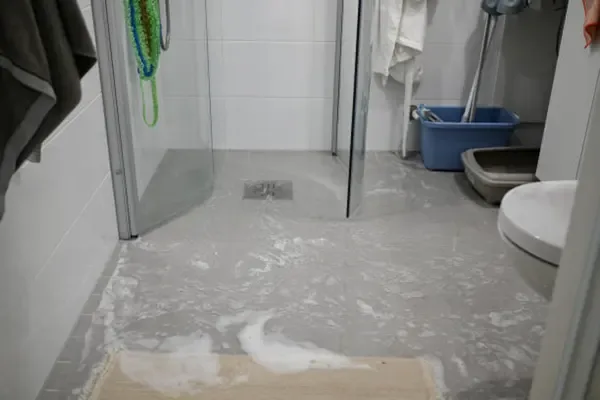
First steps for toilet overflow cleanup in Quincy
- Stop further flushing
Repeated flushing can add water to the bathroom and push the spill farther into adjoining rooms. The toilet should remain unused until the cause is addressed.
- Set a clear boundary
Children, pets and other occupants should stay out of the affected bathroom. Footwear and objects that contacted the spill need controlled handling outside ordinary circulation.
- Report connected fixture problems
A simultaneous backup at another fixture is useful information for the plumbing professional and helps the cleanup assessment look beyond an isolated bowl overflow.
- Document the doorway spread
Safe photographs can show the bathroom floor, vanity base and any wet hall covering before removal and cleaning change the appearance of the affected area.
What does toilet overflow cleanup cost in Quincy, MA?
Toilet overflow cleanup in Quincy has example ranges from $800 to $4,500+. Spill spread, porous finishes and connected cavities affect the work. The estimate should distinguish contamination cleanup and drying from plumbing correction and finish replacement.
- Accessible hard surfaces
- Limited room boundary
- Contained water removal
- Wet hall finishes
- Additional contamination area
- Expanded cleaning access
- Concealed floor wetness
- Connected ceiling damage
- Broader material removal
Cost factors: Water category, wet square footage, material class and the time before drying starts shape the scope. Access beneath cabinets, retained insulation and multiple affected levels increase the work.
Use the water damage cost calculator to compare conditions. These typical ranges are planning estimates, not a quote for the property.
How toilet overflow cleanup proceeds
Define the contaminated work area
The assessment records the overflow source and the surfaces contacted, including any tracked spread outside the bathroom. Room access is restricted as appropriate. The plumbing problem receives separate attention so cleanup does not proceed while continued fixture use can release more water into the same area.
Remove water and affected materials
Controlled removal addresses liquid and any porous finishes that cannot remain. The route for debris avoids unnecessary contact with clean rooms. Vanity edges, floor transitions and wall bases are checked closely because the visible tile surface may conceal water that reached other absorbent materials nearby.
Clean the retained surfaces
Accessible surfaces that remain are treated according to the contamination and material involved. The work includes concealed edges exposed during necessary removal. Ordinary air movement is not used as a substitute for this cleaning stage, and the room stays separated until the affected area has been addressed.
Assess moisture before reinstatement
After cleaning, measurements identify retained wetness in the floor and adjoining assembly. Drying equipment is planned around those materials. The handoff describes the corrected source, removed finishes and remaining repairs so reopening the bathroom follows its actual condition rather than the disappearance of the puddle alone.
A toilet overflow can spread across a bathroom before anyone notices water at the doorway. Footsteps then carry residues onto a hall floor or rug. Closing off the room and stopping further use limits that secondary spread while the source and the affected surfaces receive an appropriate assessment.
Describe the overflow source and every surface reached, including the doorway, vanity base and any room beneath an upstairs bathroom spill.
(888) 480-6221Describe the bathroom overflow boundaryKeep the bathroom out of circulation
Germantown is a densely populated residential neighborhood with public housing developments. In an occupied building, a bathroom closure can affect several people's routines. A clear boundary and an alternative route through the property keep the cleanup area from becoming a passage between otherwise unaffected rooms during active work.
- Do not flush again to test whether the blockage has cleared.
- Keep towels used on the spill separate from ordinary laundry.
- Report water at the doorway or beneath nearby wall trim.
- Describe any fixtures that backed up at the same time.
Trace the spill beneath bathroom finishes
The exposed tile may be easy to see, but its edges can hide water beside a vanity, under base trim or at a floor transition. Inspection follows those interfaces. A porous cabinet base or an absorbent floor covering outside the room may require a different response from an accessible hard surface.
Quincy Point has commercial areas along Quincy Avenue and Southern Artery. Whether the affected bathroom serves a household or a business there, the work boundary should account for traffic and shared access. Signs of overflow in a neighboring room need to be recorded along with the original bathroom spill.
- Check the vanity base where water has collected beneath its edge.
- Identify rugs or absorbent finishes contacted outside the bathroom doorway.
- Inspect the lower ceiling when an upper bathroom has leaked through.
Resolve contamination before cosmetic repairs
The water source and contact history determine the cleaning and removal approach. Bowl overflow involving waste needs controlled handling. Drying alone cannot substitute for removing contamination, and a fresh floor covering should not be placed over an affected assembly before the underlying surfaces have been assessed and treated.
For a wider drain problem, sewage cleanup addresses the broader affected area. The final bathroom record should connect source correction, removed materials and cleaned retained surfaces. Moisture measurements then support the decision to restore trim, flooring or other finishes and return the room to ordinary use.
Toilet Overflow Cleanup and the IICRC S500 standard
Moisture measurements
The technician compares wet materials with an unaffected reference of the same kind. Surface touch alone cannot show whether the full assembly has reached its drying goal.
Equipment adjustment
The drying team records temperature and relative humidity, then adjusts airflow and dehumidification when a cavity or dense material stops improving. Equipment stays until readings support removal.
Written progress
The restoration contractor records the initial condition, removal decisions and final readings. A dated record helps the homeowner understand what remains before repairs close the affected area.
Safe work boundaries
The response team separates wet work from occupied rooms, checks equipment power requirements and keeps exit routes open. Occupants keep children and pets clear of hoses and cords.
toilet overflow cleanup service in Quincy
Bathroom overflow assessments serve Germantown and premises around Southern Artery, with attention to shared access, the contaminated floor assembly and spread beyond the bathroom doorway.
The same service nearby: toilet overflow cleanup in Milton, Braintree, Randolph.
Toilet Overflow Cleanup questions in Quincy, MA
Should the toilet be flushed again after the water drops?
The fixture should remain unused until the cause has been assessed. A lower bowl level does not mean the blockage is corrected. Repeated testing can overflow the room again and enlarge both the wet area and the contamination boundary.
Can bathroom towels be used for cleanup?
Materials that contact the overflow need controlled handling and should not return directly to ordinary use. The water's source and contamination determine the appropriate response. Keeping occupants out while the area is assessed avoids spreading residues through routine household cleanup.
Why inspect a dry looking hallway?
Foot traffic and shallow overflow can carry contamination beyond the visible bathroom puddle. Rugs, thresholds and floor seams may have been contacted before drying at the surface. The assessment should include that route rather than stopping at the bathroom door.
Does tile prevent damage beneath the floor?
Tile does not make every joint or edge watertight. Water can enter adjoining layers at transitions, penetrations or damaged areas. Inspection and moisture measurements establish whether the floor assembly needs attention beyond cleaning the visible hard surface.
Who clears the blocked plumbing?
A plumbing professional addresses the cause of the overflow. Restoration work handles the resulting water and contaminated materials. Coordinating both tasks helps keep the bathroom out of use until the source is corrected and the affected room has been treated.
When is the bathroom ready to use?
The source, contamination and remaining moisture all need attention. The handoff should explain completed cleaning, any removed materials and repairs still required. A floor that appears clear is only part of deciding whether ordinary access can resume safely.
Related water damage services in Quincy

Restore the room beyond its visible puddle
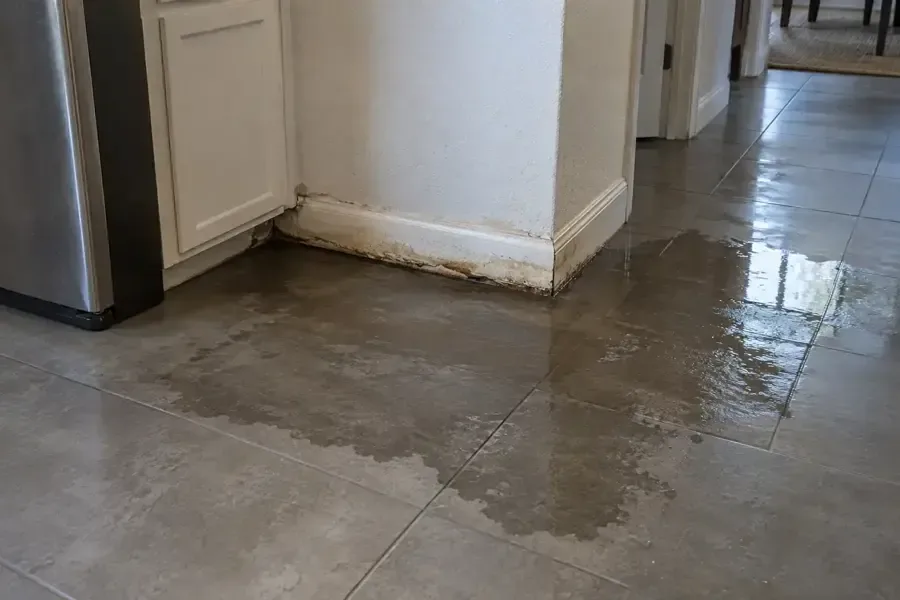
A defined cleanup boundary keeps contamination handling connected to the wet floor and wall materials that still require attention.