Toilet Overflow Cleanup in Braintree
An overflowing toilet needs a controlled bathroom boundary before ordinary cleanup begins. Fixture use stops while the drain condition, water source and affected porous materials are assessed for safe removal and cleaning.
(888) 480-6221Contain the bathroom overflow area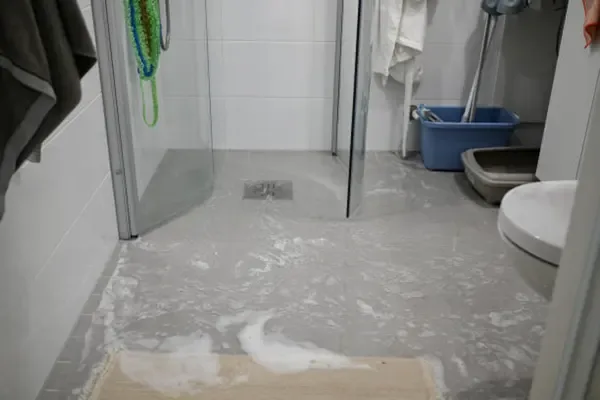
First steps for toilet overflow cleanup in Braintree
- Stop using affected fixtures
Avoid another flush and report poor drainage elsewhere. Additional discharge can enlarge the wet footprint before the plumbing issue and the escaped water are assessed together.
- Close off the bathroom route
Keep children, pets and unnecessary foot traffic outside. A defined boundary reduces the chance of carrying residue into halls, bedrooms or other unaffected household spaces.
- Describe spread beyond the tile
Report wet carpet, swollen trim or water below the bathroom. These details help the inspection follow hidden routes rather than focusing only on the visible floor.
- Leave cleaning methods coordinated
Do not mix cleaning products or blow air across an unassessed spill. The source and affected materials determine suitable removal, cleaning and subsequent drying inside the work area.
What does toilet overflow cleanup cost in Braintree, MA?
Toilet overflow cleanup in Braintree depends on contamination, water beyond the bathroom and access under fixed finishes. A written estimate should separate water removal, cleaning and drying from drain repair, fixture replacement and reconstruction of damaged surfaces.
- Contained floor footprint
- Accessible surface cleaning
- Focused moisture assessment
- Hall finish inspection
- Expanded containment boundary
- Additional material removal
- Concealed cavity access
- Lower room damage
- Broader drying needs
Cost factors: Water category, wet square footage, material class and the time before drying starts shape the scope. Access beneath cabinets, retained insulation and multiple affected levels increase the work.
Use the water damage cost calculator to compare conditions. These typical ranges are planning estimates, not a quote for the property.
How toilet overflow cleanup proceeds
Establish source and containment
The inspection gathers the overflow sequence and checks whether the drain problem is ongoing. A controlled work area separates affected surfaces from occupied dry rooms. Source conditions, electrical concerns and the movement route inform the cleanup setup before equipment or wet contents are carried through the rest of the property.
Remove accessible overflow water
Suitable extraction equipment clears the spill while technicians assess the perimeter, vanity base and adjoining threshold. Water beneath fixtures or finishes may require targeted access. The record identifies porous materials affected by the overflow so cleaning decisions are made for each layer rather than treating the entire bathroom as washable tile.
Clean retained surfaces appropriately
Damaged or unsuitable porous materials are removed within the defined scope. Accessible retained surfaces receive cleaning suited to the source and material, including edges exposed during removal. The work route remains controlled through this stage so residue from the original spill is not transferred into areas already outside the cleanup boundary.
Dry and prepare the bathroom handoff
Moisture checks establish the retained floor and wall materials needing drying after cleanup. Equipment placement accounts for the compact room and any lower cavity reached by water. The handoff records the fixture repair status, drying observations and replacement finish needs, giving the owner a clear basis for restoring normal bathroom use.
A bathroom spill can leave the tiled center looking manageable while water crosses into a carpeted hall or sinks beneath a vanity. Toilet overflow cleanup in Braintree begins by stopping further fixture use and restricting the affected area. The water source and spread determine cleaning and material decisions beyond the visible bathroom floor.
Describe the overflow sequence, affected doorway and any water below the bathroom. Those details help define containment and the materials needing inspection beyond the fixture.
(888) 480-6221Contain the bathroom overflow areaStop adding water to the affected drain
Repeated flushing can enlarge the spill and hide whether the original problem remains. If other fixtures drain poorly or water returns elsewhere, the plumbing assessment needs that information. The cleanup scope addresses what has escaped, while the appropriate plumbing work addresses the blockage or other fault responsible for continued discharge.
At a property near Watson Park, a narrow bathroom doorway can become the transfer point between wet and dry areas. Shoes, towels and moved belongings can carry residue outward. Establishing a handling route and keeping children and pets outside helps preserve a workable boundary while the condition is assessed.
- Leave affected fixtures unused until their condition is evaluated.
- Report water appearing at another drain or on a lower ceiling.
- Keep contaminated towels and contents away from dry household storage.
- Avoid directing a portable fan across an uncleaned bathroom spill.
Check beneath the vanity and threshold
Water can reach absorbent cabinet panels, wall bottoms and the subfloor through small gaps. Those concealed layers need inspection and moisture checks after surface water is removed. The assessment identifies materials suitable for cleaning and those needing removal, with the scope shaped by the source and the actual exposure rather than the size of the bathroom alone.
A home around Pond Meadow Park may show overflow damage beyond the doorway before it is obvious beneath the fixture. Water extraction removes accessible liquid, but contaminated porous finishes require their own decision. Where a broader drain return is involved, sewage backup cleanup describes the related containment work.
Inspect the room below when water disappears
At properties near Sunset Lake, an upper bathroom loss may travel into the cavity beneath the floor. A lower ceiling stain belongs in the same assessment. The route can involve insulation and framing as well as the bathroom finish, expanding the drying access needed after appropriate cleaning and removal.
Structural drying starts within the prepared work area and tracks retained material moisture. The handoff identifies the corrected fixture problem, the finishes removed and remaining repair needs. Reopening the bathroom follows safety and cleaning conditions as well as the state of the floor, avoiding a return to normal use over concealed damp layers.
Toilet Overflow Cleanup and the IICRC S500 standard
Moisture measurements
The technician compares wet materials with an unaffected reference of the same kind. Surface touch alone cannot show whether the full assembly has reached its drying goal.
Equipment adjustment
The drying team records temperature and relative humidity, then adjusts airflow and dehumidification when a cavity or dense material stops improving. Equipment stays until readings support removal.
Written progress
The restoration contractor records the initial condition, removal decisions and final readings. A dated record helps the homeowner understand what remains before repairs close the affected area.
Safe work boundaries
The response team separates wet work from occupied rooms, checks equipment power requirements and keeps exit routes open. Occupants keep children and pets clear of hoses and cords.
toilet overflow cleanup service in Braintree
Toilet overflow assessment in Braintree includes properties near Watson Park, Pond Meadow Park and Sunset Lake, with attention to adjoining rooms and concealed floor layers.
The same service nearby: toilet overflow cleanup in Milton, Randolph, Quincy.
Toilet Overflow Cleanup questions in Braintree, MA
Should the toilet be flushed again after the spill?
Further flushing can add water before the drain condition is understood. Keep the affected fixture unused and describe whether other drains are behaving differently. The plumbing assessment and cleanup plan should address the continuing source as well as the existing spill.
Can bathroom rugs be moved into the laundry?
Moving affected porous items through dry rooms can spread residue. They should be documented and handled according to the source and cleaning suitability. Keep them within the controlled area until a contents decision and safe movement route are established.
Does a tile floor avoid removal work?
Tile is only the visible finish. Water can enter perimeter joints, gaps around fixtures and layers beneath the surface. Inspection determines whether the substrate, wall bottom or adjoining cabinet materials need access, removal or drying beyond surface cleaning.
Why should fans wait until cleanup?
Air movement across an uncleaned contaminated area can spread residue. Appropriate removal and cleaning establish the work conditions for drying equipment. The technician then places equipment to address retained moisture in materials that remain within the prepared restoration area.
What if water appears downstairs?
That suggests the spill has reached the floor cavity or another connected route. The lower ceiling and surrounding materials need assessment along with the bathroom. Sagging or wet electrical fixtures below require restricted access until the hazards are evaluated.
When can the bathroom return to use?
The decision depends on corrected plumbing, safe surfaces, appropriate cleaning and the remaining drying setup. The responsible contractor should explain any continuing restrictions. Replacement flooring or trim may follow separately once the retained assembly is ready for finish repairs.
Related water damage services in Braintree


Restore the affected bathroom layers
Appropriate cleaning and moisture checks support the next decision about bathroom access and finish repairs.