Appliance Leak Water Damage in Quincy
A dishwasher or washer spill may leave only a narrow wet edge in view. Quincy appliance cleanup checks the recess, cabinet bases and neighboring floor layers that can hold the rest of the water.
(888) 480-6221Explain the appliance spill route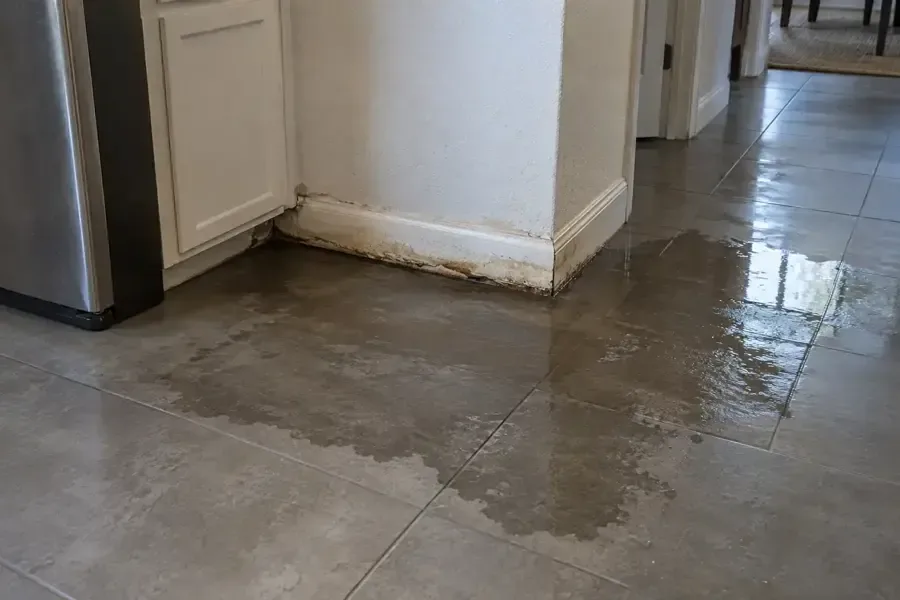
First steps for appliance leak water damage in Quincy
- Stop using the appliance
The equipment should remain out of service while the leak source is assessed. Repeating a cycle to test the problem can add water beneath concealed finishes.
- Describe the operating stage
Information about filling, washing or draining helps the appropriate repair professional investigate the source and helps the cleanup assessment account for the water's contact history.
- Leave disconnection to appropriate help
A wet appliance or electrical connection should not be handled casually. Safe access and disconnection need attention before the machine is moved from its recess.
- Include the room below
Any ceiling mark beneath the appliance area should be reported alongside the floor damage, allowing access and moisture assessment to cover the connected building levels.
What does appliance leak water damage cost in Quincy, MA?
Appliance leak cleanup in Quincy has example scopes from $700 to $4,200+. Cabinet damage, concealed floor layers and water reaching another level affect the estimate. Equipment repair and replacement finishes remain distinct from cleanup.
- Exposed equipment footprint
- Limited surface wetness
- Simple access coordination
- Affected cabinet bases
- Concealed substrate checks
- Selective finish removal
- Lower ceiling damage
- Connected assembly drying
- Additional room access
Cost factors: Water category, wet square footage, material class and the time before drying starts shape the scope. Access beneath cabinets, retained insulation and multiple affected levels increase the work.
Use the water damage cost calculator to compare conditions. These typical ranges are planning estimates, not a quote for the property.
How appliance leak water damage proceeds
Connect the spill with appliance use
The assessment records the machine involved, the reported operating stage and the visible damage around it. Source repair responsibilities are established separately. The initial boundary includes floor seams, toe kicks and nearby trim where water may emerge after the equipment has already stopped.
Expose the concealed footprint
Safe equipment movement provides access beneath and behind the appliance when needed. The exposed recess is documented before cleanup changes its appearance. Cabinet bases, wall edges and connections between floor materials are inspected so the work reaches the areas hidden during ordinary use of the room.
Select treatment for each material
Water condition and material integrity determine the cleaning, removal and drying approach. A swollen cabinet panel may need replacement while another surface can remain. The scope explains those differences and provides access to retained layers that cannot dry effectively beneath an obstructing finish or appliance footprint.
Check before returning the equipment
Moisture readings and the source repair status inform the handoff. Areas that will become concealed again receive particular attention before the appliance returns. The owner receives a distinction between completed cleanup, equipment repair and the cabinet or flooring work still needed to restore the room's finished appearance.
The wet stripe in front of a dishwasher can be the last visible part of a larger spill. Water may remain beneath the machine, travel behind a toe kick or enter a seam in the kitchen floor. Wiping the exposed tiles leaves those concealed areas outside the initial cleanup.
Explain which appliance leaked and whether water reached cabinets, neighboring floor coverings or the ceiling below the room.
(888) 480-6221Explain the appliance spill routeIdentify the machine and the water cycle
A washing machine supply escape differs from used wash water leaving a drain connection. The source and contact history influence cleaning decisions. The equipment should remain out of use until the relevant repair professional has assessed the defect, while restoration work follows the water already inside the room.
- Describe whether the leak appeared during filling, use or draining.
- Keep wet electrical connections and appliance controls untouched until assessed.
- Note water emerging from beneath cabinets after the machine stops.
- Photograph floor seams and nearby trim before equipment is moved.
Give concealed edges a clear inspection route
Marina Bay contains high-rise condominiums. In a unit with another occupied space below, an appliance spill can require inspection of the lower ceiling as well as the kitchen or laundry floor. Building access should be coordinated so the visible wet patch upstairs does not become the only area assessed.
North Quincy combines residential and commercial uses along Hancock Street. At an occupied property, moving an appliance changes access through the room. Safe disconnection and repositioning belong with the appropriate professional, followed by a close look at the exposed recess and the adjacent cabinet or floor assembly.
- Inspect the hidden floor beneath the appliance before it returns.
- Check swollen cabinet bases for loss of material integrity.
- Include the ceiling below when water has traveled between levels.
Distinguish a cleaned tile from a dry floor
Hard surfaces can look restored while seams and underlying layers remain damp. Moisture assessment should consider the complete assembly, including any underlayment and adjoining wall base. A damaged cabinet component may require a different decision from sound flooring, so each material needs its own explanation in the scope.
When wood flooring borders the appliance area, hardwood assessment can address movement and moisture in those boards. The repair handoff should identify the corrected appliance source, the condition beneath its footprint and any finish replacement still needed before normal use resumes in the room.
Appliance Leak Water Damage and the IICRC S500 standard
Moisture measurements
The technician compares wet materials with an unaffected reference of the same kind. Surface touch alone cannot show whether the full assembly has reached its drying goal.
Equipment adjustment
The drying team records temperature and relative humidity, then adjusts airflow and dehumidification when a cavity or dense material stops improving. Equipment stays until readings support removal.
Written progress
The restoration contractor records the initial condition, removal decisions and final readings. A dated record helps the homeowner understand what remains before repairs close the affected area.
Safe work boundaries
The response team separates wet work from occupied rooms, checks equipment power requirements and keeps exit routes open. Occupants keep children and pets clear of hoses and cords.
appliance leak water damage service in Quincy
Appliance water damage assessments include Marina Bay and residential spaces around North Quincy and Hancock Street, following the spill beneath equipment and into connected materials.
The same service nearby: appliance leak water damage in Milton, Braintree, Randolph.
Appliance Leak Water Damage questions in Quincy, MA
Should another appliance cycle be run to find the leak?
The equipment should remain out of use until its defect is assessed. Another cycle can release more water into concealed spaces. A repair professional can determine the appropriate investigation while restoration assessment addresses the existing wet materials around the machine.
Can a tile floor hide appliance water?
Water can reach seams, edges and layers beneath the visible tile surface. The adjacent cabinet base or wall may also become wet. Inspection and measurements help establish whether cleaning the exposed floor is enough or deeper access is needed.
Who moves a connected appliance?
Safe disconnection and movement should be coordinated with an appropriate professional, particularly when electrical connections are wet. The restoration plan needs access beneath the footprint, but that access should not create an additional equipment or electrical hazard in the room.
Why inspect the ceiling downstairs?
Water from an upper appliance can travel through the floor assembly and become visible below. Including both levels helps define the full damage boundary. Access may require coordination with another occupant or building management before the lower ceiling can be assessed.
Can swollen cabinet material simply dry in place?
Drying does not always restore the strength or shape of a damaged cabinet component. Material condition, contamination and access determine whether it can remain. The scope should explain the difference between drying sound surfaces and replacing components that have lost integrity.
When can the appliance return to its recess?
The source repair and the concealed floor condition need attention first. Returning equipment too early can obstruct inspection or drying beneath it. The handoff should identify the completed moisture assessment and any remaining cabinet or floor work around the installation area.
Related water damage services in Quincy


Reach the water hidden behind the machine
Safe access beneath the equipment allows the cleanup plan to address cabinet edges and floor layers before the room returns to normal use.