Water Heater Leak Cleanup in Canton
Water escaping beside a heater can pass under nearby storage and wall bottoms before reaching an open floor. Cleanup needs safe equipment isolation and a search for damage beyond the tank footprint.
(888) 480-6221Describe water around the tank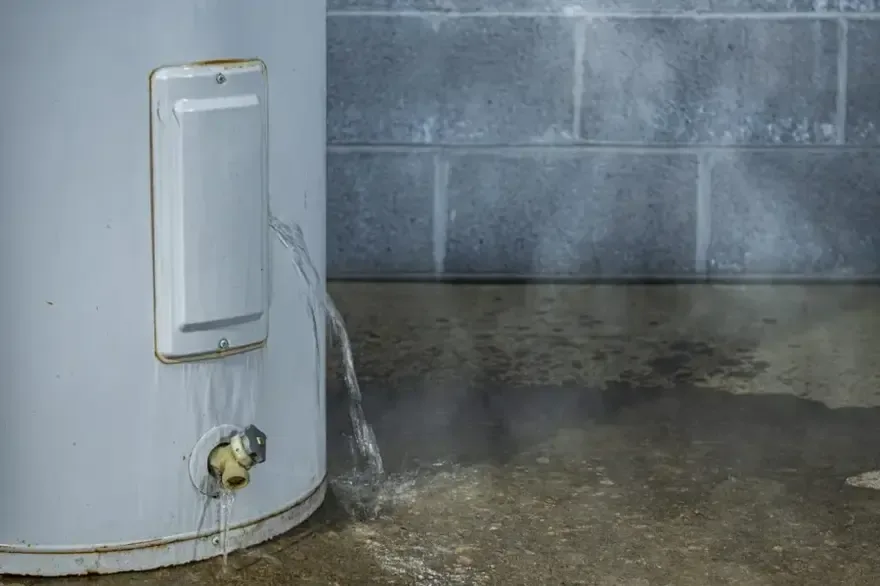
First steps for water heater leak cleanup in Canton
- Avoid wet heater controls
Stay away from powered or hot equipment surrounded by water, and request appropriate assistance with isolation before any attempt to move the tank.
- Report the active release
Describe whether water is escaping continuously or remains pooled around the base, without reaching into the wet equipment area to investigate fittings.
- Identify nearby exposed materials
Mention stored boxes, finished partitions and adjoining floor coverings so the inspection includes surfaces beyond the open space immediately beside the heater.
- Coordinate replacement access
Tell the repair provider that the supporting floor and surrounding room need moisture assessment when equipment movement exposes previously hidden wet materials.
What does water heater leak cleanup cost in Canton, MA?
Water heater leak cleanup costs in Canton depend on spill spread, access beneath equipment and the surrounding finishes. The cleanup estimate should explain extraction and drying separately from heater repair or replacement, especially when moving the tank reveals additional wet materials.
- Accessible spill removal
- Nearby surface inspection
- Focused moisture treatment
- Wall bottom access
- Wet trim evaluation
- Connected floor drying
- Broader material checks
- Several affected spaces
- Repair access coordination
Cost factors: Water category, wet square footage, material class and the time before drying starts shape the scope. Access beneath cabinets, retained insulation and multiple affected levels increase the work.
Use the water damage cost calculator to compare conditions. These typical ranges are planning estimates, not a quote for the property.
How water heater leak cleanup proceeds
Assess equipment and room access together
The initial plan addresses safe entry around the heater and the status of the leaking equipment. Nearby electrical components, hot water and restricted clearance are considered before removal starts. The assessment also records which adjoining rooms or stored items may have been reached by the release.
Extract and uncover the spill perimeter
Water is removed from accessible floor areas, and the wet boundary is traced around storage and partitions. Equipment movement is coordinated with the repair provider where necessary. Newly exposed surfaces are checked so a tank replacement does not conceal moisture beneath or behind the replacement location.
Treat the affected building materials
Wall bottoms, floor layers and damaged trim are assessed for condition and access. Materials suitable to remain receive a drying arrangement that accounts for the small room's restrictions. Compromised layers are identified for removal rather than left to obstruct inspection and moisture release from the structure.
Coordinate room closure with heater work
The drying record describes material conditions around the restored equipment position and adjoining spaces. Repair notes identify what was done to the heater or its connections. Any remaining finish replacement is stated separately so restored equipment operation is not confused with completion of the whole room restoration.
A wet utility room in Canton requires more than a replacement heater. The equipment problem needs repair, and the released water needs its own inspection. Water can move beneath a partition or stored container, leaving wet finishes that remain concealed after the tank area has been cleared.
Explain the tank location, surrounding storage and spread through nearby walls so the cleanup discussion includes the affected room and safe equipment access.
(888) 480-6221Describe water around the tankKeep equipment safety at the front
Hot water, powered components and difficult access can complicate an otherwise compact spill. Occupants should stay clear of wet heater controls and arrange appropriate professional isolation. The cleanup description should include whether the release continues and whether water has reached adjacent equipment or the route used to enter the room.
The Canton Water Division maintains the town drinking water system, which includes the Edward M. Sullivan Water Treatment Facility and the James P. Moran Water Treatment Facility. Inside the property, the heater assessment focuses on the actual tank, connections and damaged surroundings so repair and cleanup responsibilities are clear.
Look under storage and through partitions
- A wet box can conceal water against the bottom of a wall.
- Floor joints may carry moisture into a finished adjoining room.
- Closet trim can hide saturation behind the visible painted surface.
- A heater recess may restrict access to the wet floor underneath.
A compact equipment space can trap moisture because coverings and fixed objects limit airflow. Moving or replacing the tank may create access for material checks that were previously impossible. That access should be coordinated with the repair provider so the underlying floor can be assessed before equipment returns to position.
Where the release extends below a finished room, basement cleanup may become part of the work. A small tank area puddle and a lower room full of water need different removal plans, especially when submerged utilities restrict safe movement through the space.
Prepare the room for restored equipment use
Extraction removes accessible liquid, while structural drying addresses moisture retained by the surrounding building. Swollen trim, damaged wall material and wet floor layers require individual decisions. Restoring hot water service should be coordinated with those decisions so equipment does not block necessary drying access.
For questions involving water or sewer utility work, the Public Works/Engineering Office accepts the town's permit applications. The restoration service overview separates interior cleanup from repair tasks. Keep the equipment repair description and the room drying record together for a clear account of the completed work.
Water Heater Leak Cleanup and the IICRC S500 standard
Moisture measurements
The technician compares wet materials with an unaffected reference of the same kind. Surface touch alone cannot show whether the full assembly has reached its drying goal.
Equipment adjustment
The drying team records temperature and relative humidity, then adjusts airflow and dehumidification when a cavity or dense material stops improving. Equipment stays until readings support removal.
Written progress
The restoration contractor records the initial condition, removal decisions and final readings. A dated record helps the homeowner understand what remains before repairs close the affected area.
Safe work boundaries
The response team separates wet work from occupied rooms, checks equipment power requirements and keeps exit routes open. Occupants keep children and pets clear of hoses and cords.
water heater leak cleanup service in Canton
Utility room assessments near Canton Junction and Ponkapoag include the equipment entrance, surrounding storage and any adjoining occupied room reached by the heater release.
The same service nearby: water heater leak cleanup in Milton, Randolph, Dedham.
Water Heater Leak Cleanup questions in Canton, MA
Is replacing the tank enough after a leak?
Replacing failed equipment addresses the source, but water may remain under flooring or behind finishes. Those materials need assessment and drying or removal. Equipment repair and room restoration should be described as connected parts of the work.
Can water hide beneath the heater itself?
The equipment footprint can limit inspection of the supporting surface. Coordinated movement by the appropriate repair provider may expose wet material that needs attention. Assessing that area before replacement helps avoid blocking the access required for cleanup and drying.
Should wet storage boxes be left beside the tank?
Boxes can hold moisture against the floor and walls, and they may weaken when moved. Their contents and condition need assessment. Clear dry access where possible, but leave heavy or unsafe items for planned handling rather than working around wet equipment.
What if the spill reached an adjoining carpeted room?
The inspection should follow the water across the threshold and evaluate the carpet assembly beneath its visible surface. A dry looking edge can still cover wet backing or pad. The cleanup scope should include those adjoining materials, not just the utility room.
Does a utility permit question belong in the cleanup scope?
Permit questions for utility work can be directed to the town's Public Works/Engineering Office. The restoration proposal should describe the interior water damage tasks it includes. Equipment repair responsibilities and any required approvals should remain clear between the property owner and repair provider.
When can stored items return to the room?
The decision depends on material condition, access needed for continuing work and the condition of the items themselves. Returning storage too early can block drying equipment or conceal a damp edge. The handoff should identify the usable space and any remaining restrictions.
Related water damage services in Canton


Restore the space around the repaired heater
Water removal and material checks help prepare the room for equipment use and later replacement of damaged finishes.