Frozen Pipe Water Damage in Canton
A pipe damaged during freezing may release water when flow returns. The cleanup assessment needs the timing of that release, the repaired source and the concealed spaces reached before the leak became visible indoors.
(888) 480-6221Describe water appearing during thawing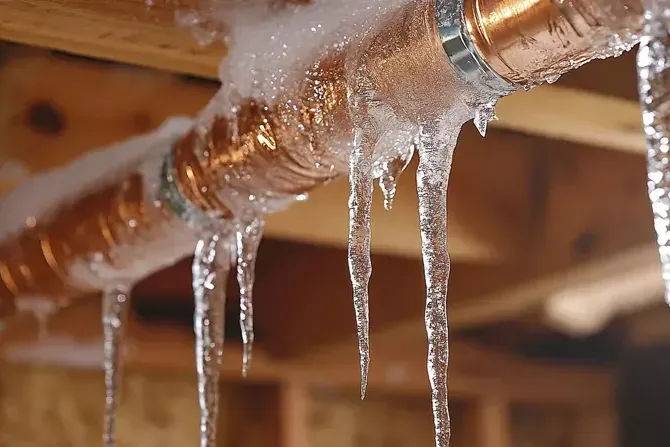
First steps for frozen pipe water damage in Canton
- Avoid improvised pipe heating
Leave thawing and repair methods to the appropriate professional, especially around enclosed spaces or combustible finishes where unsuitable heat can create additional hazards.
- Locate safe source control
Describe a known shutoff and whether it is accessible from a dry route, without entering water or touching exposed powered equipment to reach it.
- Track the release timing
Record when reduced flow, thawing and visible leakage occurred, including changes in rooms below or beside the suspected pipe location after flow returned.
- Keep repair openings accessible
Coordinate with the plumber before closing a repaired enclosure so restoration can assess wet insulation, framing and adjoining finishes exposed by the supply release.
What does frozen pipe water damage cost in Canton, MA?
Frozen pipe cleanup costs in Canton depend on the water spread, access to enclosed spaces and the affected materials. The estimate should distinguish pipe repair from extraction, opening wet cavities and drying, with finish replacement clearly included or excluded in writing.
- Localized supply spill
- Open damage assessment
- Focused drying access
- Insulation handling decisions
- Framing moisture checks
- Targeted enclosure opening
- Expanded water route
- Overhead material assessment
- Multiple repair stages
Cost factors: Water category, wet square footage, material class and the time before drying starts shape the scope. Access beneath cabinets, retained insulation and multiple affected levels increase the work.
Use the water damage cost calculator to compare conditions. These typical ranges are planning estimates, not a quote for the property.
How frozen pipe water damage proceeds
Connect the thaw sequence with source control
The assessment gathers the timing of reduced flow, visible leakage and plumbing intervention. It checks whether the damaged supply is isolated and whether water continues entering. Access hazards and the location of the pipe enclosure are recorded before the restoration inspection follows the released water into adjoining materials.
Map concealed wetting around the repaired pipe
Inspection extends beyond the repair opening to nearby cavities, floor edges and rooms below. Wet insulation and other access barriers are identified for appropriate handling. The damage map distinguishes the plumber's source work from the additional building areas that require removal, cleaning or drying after the release.
Set up drying for the retained assembly
Equipment and access are planned around the actual room conditions and materials that remain. Cool or enclosed spaces receive attention to the available moisture removal path. Progress readings determine whether the arrangement is reaching hidden wet areas or whether further access and equipment changes are necessary.
Coordinate closure and future repair questions
The handoff records the repaired source, removed materials and the condition of retained framing or flooring. Finish replacement is coordinated with those findings. Any discussion of pipe exposure or changes intended to reduce future freezing is directed to the appropriate repair provider for the building's specific plumbing configuration.
A Canton property can have a damaged pipe before water begins pooling in the room. If an ice blockage has restricted flow, leakage may become apparent during thawing. Report the timing, changes in fixture flow and any newly visible dampness so plumbing repair and the damage assessment can be coordinated.
Describe thaw timing, supply repairs and wet rooms so the inspection connects leakage with concealed assemblies reached by the release.
(888) 480-6221Describe water appearing during thawingHandle the source without creating another hazard
Open flames and improvised heating around a suspected frozen pipe can damage the building and create unsafe conditions. A plumber should assess the affected supply and the appropriate repair. Occupants can help by identifying an accessible shutoff and reporting where the first water appears without opening concealed assemblies themselves.
Canton lies at the foot of Great Blue Hill, and Ponkapoag is a historic settlement area within the town. The building inspection needs the actual location of the damaged pipe, whether in an accessible room or a restricted enclosure. Geographic setting is separate from the material and access decisions at the property.
Trace water after flow returns
- Check adjoining rooms when a leak emerges near a shared partition.
- Record any ceiling change below the apparent supply failure location.
- Describe insulation or fixed coverings that hide the affected pipe enclosure.
- Include areas where renewed wetting appears after an initial surface cleanup.
The Canton Corner Historic District contains varied housing styles, including the David Tilden House. At the damaged building, renovations and concealed layers can affect how released water moves. The inspection should identify the current construction and follow material readings rather than infer the pipe route from appearance alone.
A repaired fitting can leave saturated insulation or wet framing behind. Burst pipe restoration covers the wider release, while ceiling damage assessment addresses unstable finishes and trapped moisture below. Those connected areas belong in the scope even when they lie outside the plumbing repair opening.
Account for the conditions needed for drying
Restricted spaces and cool materials can complicate moisture removal. The drying arrangement needs suitable access, safe utilities and conditions appropriate to the retained assembly. Heating a room without assessing the wet layers may leave moisture concealed where ordinary room air has little contact with it.
Structural drying follows the material response after the source is controlled. The record should identify the damaged pipe repair, the wet cavities opened and any finishes removed. Questions about reducing future freezing exposure belong with the repair provider as part of the building's specific plumbing arrangement.
Keep the timeline of reduced flow, thawing and visible water with the cleanup notes. It helps explain the sequence of the loss and separates the original source symptoms from changes observed during drying and subsequent repair work.
Frozen Pipe Water Damage and the IICRC S500 standard
Moisture measurements
The technician compares wet materials with an unaffected reference of the same kind. Surface touch alone cannot show whether the full assembly has reached its drying goal.
Equipment adjustment
The drying team records temperature and relative humidity, then adjusts airflow and dehumidification when a cavity or dense material stops improving. Equipment stays until readings support removal.
Written progress
The restoration contractor records the initial condition, removal decisions and final readings. A dated record helps the homeowner understand what remains before repairs close the affected area.
Safe work boundaries
The response team separates wet work from occupied rooms, checks equipment power requirements and keeps exit routes open. Occupants keep children and pets clear of hoses and cords.
frozen pipe water damage service in Canton
Assessments near Pleasant Street and Washington Street include concealed pipe enclosures, adjoining wet rooms and the safe utility access needed to coordinate plumbing repair with drying.
The same service nearby: frozen pipe water damage in Milton, Randolph, Dedham.
Frozen Pipe Water Damage questions in Canton, MA
Why can the leak appear after the coldest period?
A blockage can restrict water movement while a pipe is frozen. As thawing restores flow, damage may become apparent through leakage. Report that timing to the plumbing provider and include any rooms where water appeared before the failed section was located.
Should a flame be used to thaw the pipe?
Open flames and improvised heating create hazards around pipes and building materials. A professional should determine appropriate source intervention. Restoration begins with safe access and coordination of the resulting damage, not an improvised attempt to heat a concealed pipe.
Does the repair opening show all the damage?
Released water can travel outside the area opened for plumbing work. Insulation, wall bases and rooms below may remain wet. The cleanup assessment should follow those routes so the repaired component is not mistaken for the full boundary of the building damage.
Can normal room heating dry a concealed cavity?
Warm room air may have little access to wet material behind intact finishes or insulation. The assessment needs a practical moisture release path and material readings. Targeted opening or a revised drying setup may be required to reach the affected assembly effectively.
What if a different area becomes wet during thawing?
Report the new location and timing promptly to the repair and cleanup providers. Further wetting may indicate another affected component or water draining from a concealed space. The source investigation and damage map should be updated to reflect the changed conditions.
What information is useful before the enclosure closes?
Keep the pipe repair description, photographs of exposed wet layers and readings from retained materials. Note any insulation or finish removed. Those records help coordinate closure and establish which work remains, including building specific questions about reducing future pipe exposure.
Related water damage services in Canton
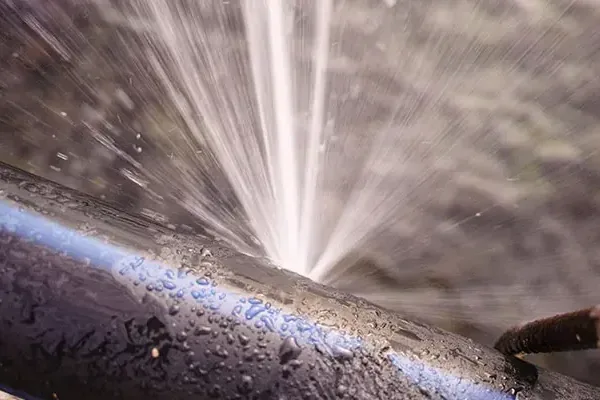

Follow the release beyond the repaired pipe
Material checks and a clear drying path help prepare affected enclosures for repair after the plumbing source is controlled.