Frozen Pipe Water Damage in Dedham
A pipe affected by freezing may reveal its damage only as water starts moving again. Cleanup needs a clear source status and an inspection of the surrounding cavity before the thaw release is considered contained.
(888) 480-6221Assess damage around the thawed pipe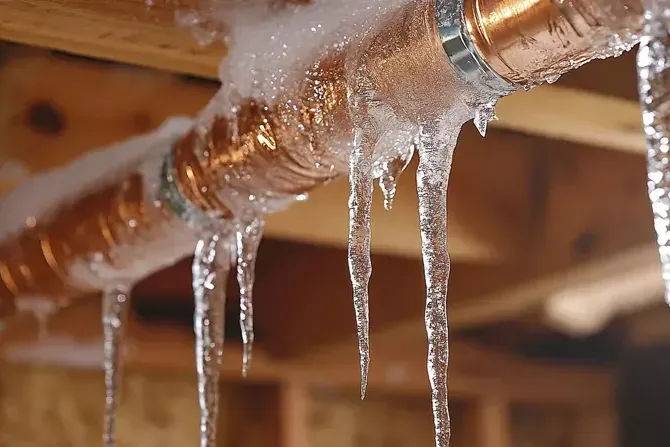
First steps for frozen pipe water damage in Dedham
- Avoid improvised pipe heating
A plumbing professional should assess thawing and source repair. Keep open flames and improvised heaters away from the pipe, wet finishes and concealed cavities.
- Describe changes in water flow
Report when reduced flow or leakage was noticed and where water now appears. These observations help the plumber evaluate the supply while the cleanup assessment traces the release footprint.
- Use safe isolation when accessible
An accessible shutoff can limit additional water, but reaching it must not require crossing an unsafe wet room. Keep occupants clear of electrical concerns and unstable overhead materials.
- Preserve the opened cavity findings
Ask that wet materials exposed during plumbing access be documented. Their condition helps define cleanup beyond the repaired pipe and supports decisions about retained framing, insulation and finish replacement.
What does frozen pipe water damage cost in Dedham, MA?
Frozen pipe cleanup costs in Dedham reflect the thaw release footprint, concealed wet layers and the access required around the repair. Plumbing work may be separate. The damage estimate should explain material removal, drying and any finish restoration excluded from the scope.
- Localized water collection
- Nearby material checks
- Focused cavity access
- Wet insulation decisions
- Additional framing exposure
- Broader drying arrangement
- Connected room mapping
- Overhead damage assessment
- Expanded repair coordination
Cost factors: Water category, wet square footage, material class and the time before drying starts shape the scope. Access beneath cabinets, retained insulation and multiple affected levels increase the work.
Use the water damage cost calculator to compare conditions. These typical ranges are planning estimates, not a quote for the property.
How frozen pipe water damage proceeds
Coordinate source evaluation
The plumbing assessment establishes the damaged supply section and repair status. Cleanup planning records any continuing release and the hazards around it. The two tasks share access information so the pipe can be addressed while wet finishes and nearby contents remain visible in the damage scope.
Map the thaw release pathway
Inspection follows water around the pipe opening and into accessible connected materials. Wall bases, floor edges and lower ceilings are considered where the observed route indicates spread. Photographs and measurements document the affected footprint, including wet layers revealed during source repair that were previously hidden by finishes.
Prepare retained materials for drying
Accessible liquid is collected and unsuitable wet materials are addressed through explained access decisions. Remaining framing and floor layers receive a drying arrangement suited to their location and condition. The setup accounts for the repair opening and avoids treating the newly repaired pipe as completion of the interior work.
Check condition before wall closure
Monitoring tracks retained moisture after the source is controlled. The closing account identifies material readings, removed sections and unfinished repair tasks. It also separates supply restoration from reconstruction, so replacement insulation and finishes are coordinated around the actual assembly condition rather than the return of ordinary fixture flow.
Dedham has a warm-summer humid continental climate with precipitation throughout the year. When a frozen supply section releases water during a thaw, cleanup focuses on that property's damaged pipe and surrounding materials. The first visible trickle may conceal a wetter cavity behind the wall or below the room where it appears.
Describe changing water flow, the leak location and newly wet walls or ceilings so source repair and cleanup share a useful starting point.
(888) 480-6221Assess damage around the thawed pipeKeep pipe assessment separate from improvised thawing
Do not use a torch or an open flame on a frozen pipe. A plumbing professional can assess the supply condition and the appropriate repair. If an accessible shutoff can be reached safely, isolation can limit a continuing release. Water near electrical equipment or an unstable ceiling requires restricted access.
- Report reduced flow and the location of any newly visible leak.
- Describe the room or cavity around the affected pipe section.
- Keep improvised heating devices away from wet or concealed assemblies.
- Watch from a safe area for new water after supply changes.
East Dedham lies between Mother Brook and the Boston boundary. At a property in that setting, information about the specific room and available pipe access helps organize both trades. The plumber needs to establish source integrity, while the cleanup crew needs to identify where the thaw release traveled inside the building.
Inspect the cavity surrounding the break
Insulation and enclosed finishes can conceal water around a damaged pipe. A repaired section may therefore sit beside materials that still need removal or drying. The assessment follows the release through accessible framing and toward wall bases, thresholds or lower ceilings when the observed route points to connected damage.
Riverdale is surrounded by the Charles River and Long Ditch. A homeowner there should describe the indoor supply symptoms separately from any outside water concerns. The cleanup scope follows the actual source and exposure, with measurements used to identify wet sections rather than assigning the whole room the same condition.
- Record wet insulation and finishes exposed during plumbing access.
- Inspect below the pipe where gravity carried the released water.
- Identify dry adjacent materials that can remain outside the work area.
Coordinate supply restoration with drying access
The Manor neighborhood lies south of Sprague Street. Wherever the building sits, a clear handoff after pipe repair should confirm what source work is complete and which interior materials remain affected. Restoring ordinary water use and rebuilding an opened wall are separate decisions that need their own readiness checks.
Burst pipe cleanup addresses the wider release footprint, while structural drying follows retained moisture. Equipment and access should remain coordinated with the repair opening. The completion record identifies drying results, material removal and any finish work still outstanding before the affected room can be fully restored.
Frozen Pipe Water Damage and the IICRC S500 standard
Moisture measurements
The technician compares wet materials with an unaffected reference of the same kind. Surface touch alone cannot show whether the full assembly has reached its drying goal.
Equipment adjustment
The drying team records temperature and relative humidity, then adjusts airflow and dehumidification when a cavity or dense material stops improving. Equipment stays until readings support removal.
Written progress
The restoration contractor records the initial condition, removal decisions and final readings. A dated record helps the homeowner understand what remains before repairs close the affected area.
Safe work boundaries
The response team separates wet work from occupied rooms, checks equipment power requirements and keeps exit routes open. Occupants keep children and pets clear of hoses and cords.
frozen pipe water damage service in Dedham
Thaw-related supply damage assessments consider East Dedham, Riverdale and Manor properties, with cleanup following the individual pipe release and wet assemblies found during repair access.
The same service nearby: frozen pipe water damage in Milton, Canton, Quincy.
Frozen Pipe Water Damage questions in Dedham, MA
Why can leakage appear only when the pipe thaws?
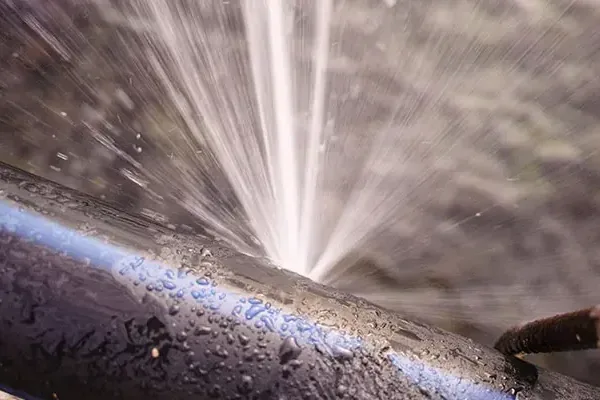
A damaged section can release water as flow resumes. Report new drips or changing flow to the plumber. Cleanup then follows the escaped water into surrounding materials, including wet sections concealed behind the visible opening.
Can a torch be used to thaw the pipe?
Do not use an open flame on a frozen pipe. Appropriate plumbing assessment is needed, particularly around concealed cavities or wet electrical components. Describe the pipe location and symptoms so source handling can be planned without improvised heating that creates additional hazards inside the building.
Does normal water flow mean surrounding materials are dry?
Normal flow describes supply operation, not moisture inside walls or floors. Insulation and framing may remain wet after repair. Their condition needs assessment and appropriate drying before the opening is closed with replacement finishes.
Why inspect insulation around the repaired section?
Insulation can retain water and conceal wet framing beside a pipe. Its condition and the available drying access affect the cleanup decision. The scope should explain any removal and show how the retained structure will be evaluated before replacement insulation or wall finishes are installed.
What if damage reaches a lower ceiling?
Keep people clear of sagging overhead material and report electrical fittings near the affected area. The assessment should follow the downward water route into the lower assembly. Source repair above and controlled ceiling access below may need coordination within the same cleanup plan.
What should remain documented after repair?
Retain the plumber's source findings, photographs of opened cavities and the drying record for affected materials. The handoff should also identify remaining finish work. This connects the repaired supply with the interior recovery and explains what still needs completion before the room is restored.
Related water damage services in Dedham

Check the assembly around the repaired pipe
A complete moisture assessment identifies the insulation, framing and finishes that still need attention after normal supply operation returns.