Frozen Pipe Water Damage in Quincy
A pipe can release water when thawing exposes a split that was previously blocked by ice. Quincy recovery starts with safe isolation and follows the resulting wetness through the surrounding wall and floor assembly.
(888) 480-6221Describe the thaw related water escape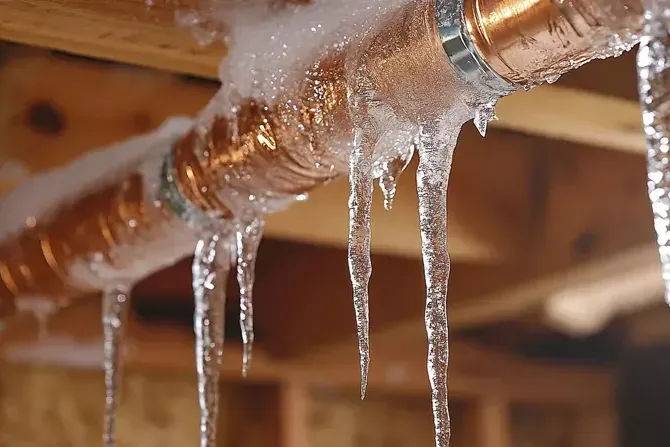
First steps for frozen pipe water damage in Quincy
- Keep source decisions coordinated
The supply and damaged section need professional assessment before flow is restored. Reopening a valve simply to test the situation can release additional water into concealed materials.
- Avoid improvised pipe heating
Open flame and unsuitable heating methods can damage the installation or create hazards nearby. The frozen section should be handled by an appropriate plumbing professional.
- Describe the thaw sequence
The timing of lost flow, changing conditions and visible leakage helps connect the plumbing problem with damp surfaces that appeared later in adjoining rooms.
- Inspect from a safe position
Photographs and observations should come from dry, stable footing, with sagging ceilings and water near electrical equipment kept outside ordinary access until assessed by appropriate professionals.
What does frozen pipe water damage cost in Quincy, MA?
Frozen pipe water damage cleanup in Quincy has example scopes from $1,500 to $6,500+. Concealed wetness, insulation and affected levels influence the estimate. Pipe repair and future protection measures should be separated from interior removal, drying and finish replacement.
- Exposed damaged section
- Limited wet finishes
- Focused extraction access
- Wet insulation removal
- Connected wall moisture
- Expanded drying openings
- Lower room damage
- Multiple retained assemblies
- Broader repair coordination
Cost factors: Water category, wet square footage, material class and the time before drying starts shape the scope. Access beneath cabinets, retained insulation and multiple affected levels increase the work.
Use the water damage cost calculator to compare conditions. These typical ranges are planning estimates, not a quote for the property.
How frozen pipe water damage proceeds
Record the release and supply status
The assessment starts with how the water appeared during thawing and whether the damaged pipe remains isolated. The repair professional's source findings are coordinated with the interior work. Visible wetness and concealed pipe access are documented as related but separate parts of the affected building area.
Trace wet materials around the cavity
Inspection follows the route from the damaged section through insulation, framing and adjoining finishes. Water may collect below or beside the repair opening before it reaches a visible surface. The moisture map therefore includes connected walls and floors rather than only the area immediately surrounding the exposed split.
Remove water and expose retained layers
Extraction and selective removal address accessible liquid and materials that cannot remain or obstruct drying. The scope accounts for the opening needed by the plumbing repair while providing access to the wider wet assembly. Occupied areas are kept clear of debris and unstable finishes during this work.
Dry before closing the repair area
Retained materials receive controlled drying with measurements that track their response. Source correction is confirmed through the appropriate repair process, while interior readings address the surrounding assembly. The final handoff identifies any remaining finish work and distinguishes future pipe protection decisions from the completed water damage recovery tasks.
A frozen section may show little visible water until conditions change and the pipe thaws. If the pipe has split, the returning flow can wet a cavity before reaching the room. The cleanup assessment therefore needs the sequence of events, including when water first appeared and whether the supply remains isolated.
Describe the change from frozen flow to leakage and the rooms wetted after the damaged section released water.
(888) 480-6221Describe the thaw related water escapeTreat thawing and source repair as plumbing work
Improvised heating or open flame near a pipe can create additional hazards. The appropriate professional should assess the frozen section, the damaged pipe and restoration of supply. Occupants should remain clear of water around electrical equipment and avoid opening a supply merely to see whether the leak has stopped.
- Describe the loss of flow and the later appearance of water.
- Keep the damaged supply isolated when professional advice calls for it.
- Report wet ceilings or wall bases beyond the visible pipe opening.
- Preserve photographs of accessible damage before the repair is enclosed.
Follow the cavity beyond the repaired section
Montclair lies along West Squantum Street, while West Quincy has direct access to Interstate 93. For a household reporting a thaw-related escape in either area, the interior details matter most: the pipe location, the rooms nearby and any dampness that appeared on another building level after flow returned.
The exposed split can be smaller than the resulting wet boundary. Water may run along a cavity or soak insulation before escaping at a lower edge. Inspection should include the surrounding materials and adjoining room surfaces so repairing the pipe does not leave the rest of the assembly outside the recovery plan.
- Inspect insulation that may hold water around the damaged pipe.
- Check the wall base beneath the original concealed escape location.
- Include the room below when the affected pipe is overhead.
Separate future protection from current drying
After the damaged pipe is corrected, a plumbing professional can assess any measures appropriate to that installation. Interior restoration has a separate task: removing liquid and addressing materials already wet from the escape. Both matters should be recorded without treating a repaired pipe as evidence that the surrounding cavity is dry.
The burst pipe cleanup process addresses connected damage once water has spread through rooms. Drying then follows retained framing, wall layers and floor materials with readings that show progress. Before the opening is closed, the owner should receive a distinction between completed source work, measured drying conditions and any finish repairs still required.
Frozen Pipe Water Damage and the IICRC S500 standard
Moisture measurements
The technician compares wet materials with an unaffected reference of the same kind. Surface touch alone cannot show whether the full assembly has reached its drying goal.
Equipment adjustment
The drying team records temperature and relative humidity, then adjusts airflow and dehumidification when a cavity or dense material stops improving. Equipment stays until readings support removal.
Written progress
The restoration contractor records the initial condition, removal decisions and final readings. A dated record helps the homeowner understand what remains before repairs close the affected area.
Safe work boundaries
The response team separates wet work from occupied rooms, checks equipment power requirements and keeps exit routes open. Occupants keep children and pets clear of hoses and cords.
frozen pipe water damage service in Quincy
Thaw related water damage assessments include Montclair and West Quincy, with access along West Squantum Street considered alongside the affected room and concealed pipe location.
The same service nearby: frozen pipe water damage in Milton, Braintree, Randolph.
Frozen Pipe Water Damage questions in Quincy, MA
Why might leakage start only during thawing?
Ice can obstruct flow through a damaged section until thawing allows water to escape. The plumbing professional assesses that condition and the pipe repair. Interior inspection then follows the released water through the surrounding cavity and any connected rooms.
Should a valve be reopened to check the pipe?
Supply restoration should follow appropriate plumbing advice and the repair assessment. Reopening flow without that coordination can add water to a concealed escape. The source status should remain clear to everyone involved in the interior cleanup and drying work.
Can a hair dryer or flame be used near the pipe?
Improvised heating can create hazards around the installation and nearby materials. An appropriate professional should assess the frozen section and safe corrective work. Occupants should focus on keeping clear of wet electrical areas and reporting the visible changes from safe footing.
Does the repair opening show all the water damage?
The wet boundary can extend beyond the pipe access point through insulation, framing and adjoining finishes. Inspecting those connected materials helps define the cleanup scope. The surrounding cavity needs its own assessment after the damaged pipe section is repaired.
Will wet insulation need to be removed?
Its saturation, condition and effect on access determine the decision. Some material may need removal so retained surfaces can be assessed and dried. The scope should distinguish that work from the treatment of sound framing and the separate pipe repair.
When can the wall be closed again?
The plumbing repair and surrounding material moisture both need attention. Readings and inspection support the drying handoff, while finish replacement follows the remaining assembly's condition. Closing solely because the pipe no longer leaks can hide damp layers needing further work.
Related water damage services in Quincy
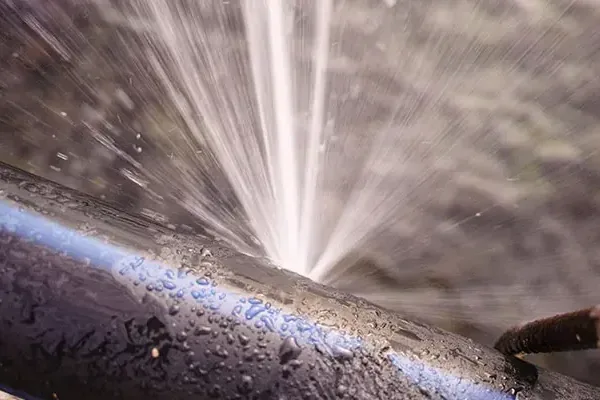

Follow released water beyond the pipe repair
The cavity and adjoining finishes need their own moisture assessment before the repaired opening is enclosed and the room returns to normal use.