Hardwood Floor Water Damage in Dedham
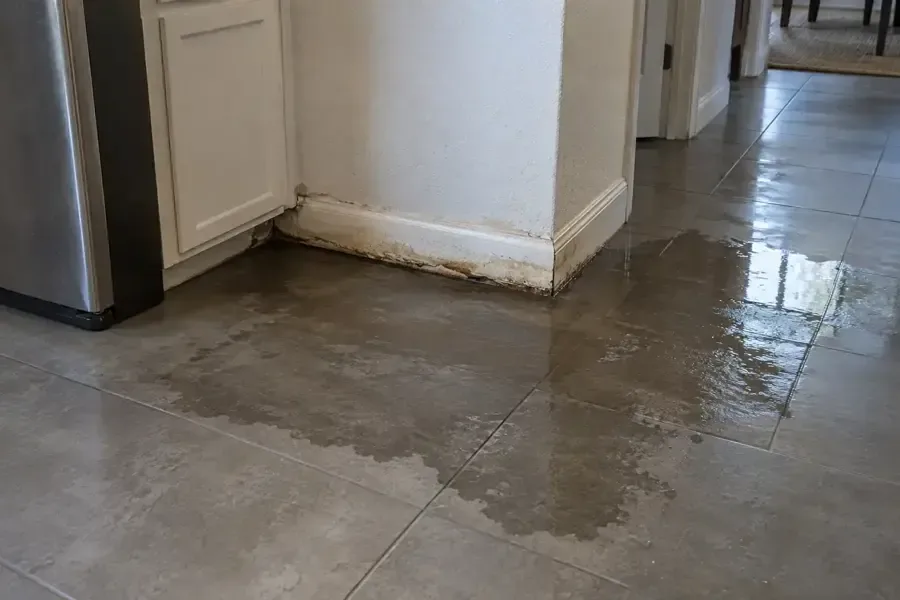
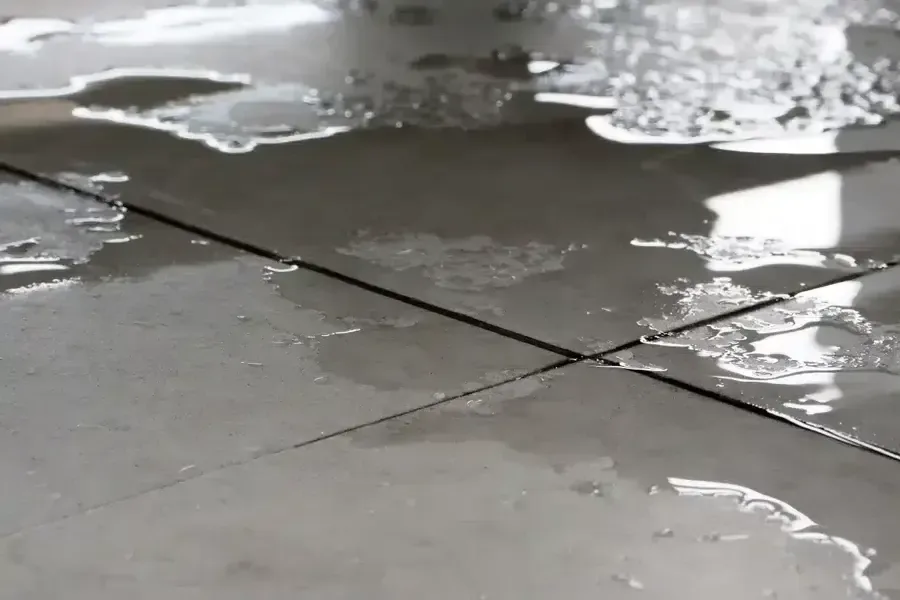
Raised board edges can remain after the surface puddle disappears. A wood floor assessment compares the boards with the supporting layers so drying and later repair decisions follow the whole assembly's condition.
(888) 480-6221Assess the boards and supporting floor
First steps for hardwood floor water damage in Dedham
- Protect the changed floor area
Avoid forcing lifted boards down or loading damaged seams with furniture. Photograph the visible movement and keep unnecessary traffic away until the floor condition can be assessed.
- Describe the water exposure
Explain the source, when the water was noticed and whether the release continues. Contamination and the route beneath finishes influence how the flooring should be handled.
- Identify concealed floor sections
Mention rugs, cabinetry or heavy belongings covering the wet edge. Access beneath or around them may be needed to understand moisture beyond the visible board damage.
- Delay cosmetic surface work
Hold sanding and refinishing decisions until moisture and material condition have been evaluated. The repair plan should follow the board and substrate findings after the drying stage.
What does hardwood floor water damage cost in Dedham, MA?
Hardwood damage costs in Dedham depend on the wet area, supporting layers and access needed for drying. Contamination or physical separation can change retention options. The quote should distinguish cleanup from sanding, refinishing and replacement flooring that may follow.
- Focused board measurements
- Accessible liquid removal
- Small drying area
- Supporting layer checks
- Additional drying access
- Selective removal decisions
- Larger affected footprint
- Complex retention assessment
- Expanded repair documentation
Cost factors: Water category, wet square footage, material class and the time before drying starts shape the scope. Access beneath cabinets, retained insulation and multiple affected levels increase the work.
Use the water damage cost calculator to compare conditions. These typical ranges are planning estimates, not a quote for the property.
How hardwood floor water damage proceeds
Assess the complete floor system
The inspection records the flooring type visible at the property, its movement and the source of the water. Accessible supporting layers are considered alongside the boards. This establishes a starting condition for retention decisions instead of relying only on whether the surface feels dry or looks level.
Map wet sections and access needs
Readings identify affected flooring boundaries and useful comparison areas where available. The crew notes hidden edges beneath cabinets or other obstructions. If access or removal is proposed, the reason is connected to trapped moisture, physical damage or contamination found in the actual assembly during inspection.
Apply a suitable drying approach
Accessible liquid is removed and retained materials receive controlled drying where their condition allows. Equipment selection follows the assembly and exposure rather than a promise that every board can be saved. Repeat measurements track progress and indicate when the drying arrangement or material decision needs adjustment.
Transfer findings to the floor repair
The handoff describes the board condition, supporting material readings and any sections removed. A flooring professional can then assess refinishing or replacement against the installation requirements. Cleanup documentation keeps that later decision connected to the water damage history and prevents cosmetic appearance from substituting for material readiness.
The Woodleigh Road area contains homes designed by Henry Bailey Alden. Where a Dedham property has water-damaged wood flooring, the actual board construction and supporting layers shape the response. A floor that feels dry underfoot may still hold moisture underneath, particularly where an adjoining wall or cabinet hides the wet edge.
Describe board movement, the source and flooring hidden beneath cabinets or furniture so assessment includes the layers supporting the finish.
(888) 480-6221Assess the boards and supporting floorRecord movement before changing the surface
Cupping, separation and lifting are useful observations, but they do not independently settle whether flooring can remain. The inspection considers the water condition, duration of exposure and physical damage alongside moisture measurements. Surface sanding should wait until the floor has been assessed and the moisture condition is suitable for repair decisions.
- Photograph raised seams without forcing boards back into position.
- Identify rugs or furniture that conceal the affected floor edge.
- Report water entering beneath cabinets or through adjacent thresholds.
- Keep damaged flooring clear of unnecessary foot traffic and loads.
Fairbanks lies between East Street and Wigwam Pond. At a home there, an appliance release and outside-water intrusion can leave similar visible board movement but require different handling. The source and contamination history belong in the assessment before a drying method or retention decision is selected.
Understand the layers beneath the boards
The finish floor, underlayment and supporting structure can respond differently to moisture. Where access permits, readings should help describe those layers rather than treating the exposed board surface as the entire assembly. A moisture difference between the boards and the material underneath may affect both drying access and later installation work.
Extraction can remove accessible liquid before controlled drying begins. Some assemblies allow a targeted drying approach; others require selective removal because damage or trapped moisture prevents effective treatment. Any recommendation to lift flooring should explain the affected area, the access gained and the condition of material that is intended to remain.
- Compare affected sections with suitable unaffected flooring where available.
- Document accessible subfloor condition alongside the board measurements.
- Separate cleanup decisions from the later cosmetic finish specification.
Let measured condition direct the repair handoff
Ashcroft includes Paul Park and the Capen School. For homeowners arranging floor work in that neighborhood, a clear moisture record helps connect cleanup with the flooring contractor's next task. The record should describe changes over the drying period and any remaining limitations on access beneath retained sections.
Appliance leak cleanup may address the source area, while structural drying handles connected wet materials. The final flooring decision considers condition and installation requirements. Keeping those decisions distinct prevents an early cosmetic repair from concealing a substrate that still needs attention or a damaged section awaiting replacement.
Hardwood Floor Water Damage and the IICRC S500 standard
Moisture measurements
The technician compares wet materials with an unaffected reference of the same kind. Surface touch alone cannot show whether the full assembly has reached its drying goal.
Equipment adjustment
The drying team records temperature and relative humidity, then adjusts airflow and dehumidification when a cavity or dense material stops improving. Equipment stays until readings support removal.
Written progress
The restoration contractor records the initial condition, removal decisions and final readings. A dated record helps the homeowner understand what remains before repairs close the affected area.
Safe work boundaries
The response team separates wet work from occupied rooms, checks equipment power requirements and keeps exit routes open. Occupants keep children and pets clear of hoses and cords.
hardwood floor water damage service in Dedham
Wood flooring assessments serve Woodleigh Road, Fairbanks and Ashcroft properties where hardwood is present, with decisions based on the actual floor construction, exposure and measured material condition.
The same service nearby: hardwood floor water damage in Milton, Canton, Quincy.
Hardwood Floor Water Damage questions in Dedham, MA
Do cupped boards always need replacement?
Cupping alone does not settle the replacement decision. Water condition, physical damage and the drying response all matter. Documented changes help the flooring professional assess whether the retained boards can be refinished or damaged sections require replacement.
Why wait before sanding a raised floor?
Sanding changes the surface while moisture may still be changing the shape of the boards. Assessment and drying should precede cosmetic work. The repair contractor needs the moisture and condition record to determine whether the floor is ready for that treatment.
Can moisture remain beneath a dry board surface?
Yes. Supporting layers can retain water even after the exposed finish looks dry. Accessible measurements help describe the whole assembly. The drying plan may therefore need attention beneath or beside the boards rather than simply moving air across the room.
Does outside floodwater change the floor decision?
The source and contamination history influence whether materials can remain and how they are handled. That assessment comes before a drying method is selected. A floor affected by outside water needs its exposure considered along with swelling, separation and access to the substrate.
Should rugs and furniture be moved?
Safely reachable dry items may be relocated to allow inspection, but heavy pieces and damaged floor sections need a planned approach. Tell the assessor what covers the affected area. Uncontrolled dragging can damage wet boards further or obscure the original water boundary.
What should the flooring contractor receive?
Provide the source description, drying measurements, photographs and the location of any removed sections. The contractor can then evaluate the remaining assembly and installation requirements. Those records connect the cleanup outcome with the repair choice and any additional testing needed before replacement.
Related water damage services in Dedham
Measure before deciding the floor's future
A documented drying outcome helps separate material that can remain from sections needing repair, refinishing or replacement after water exposure.