Water Heater Leak Cleanup in Quincy
Water around a heater can disappear beneath stored items or trim before the tank problem is noticed. Quincy cleanup examines that spread while the appliance and its energy supply receive appropriate attention.
(888) 480-6221Describe the tank spill footprint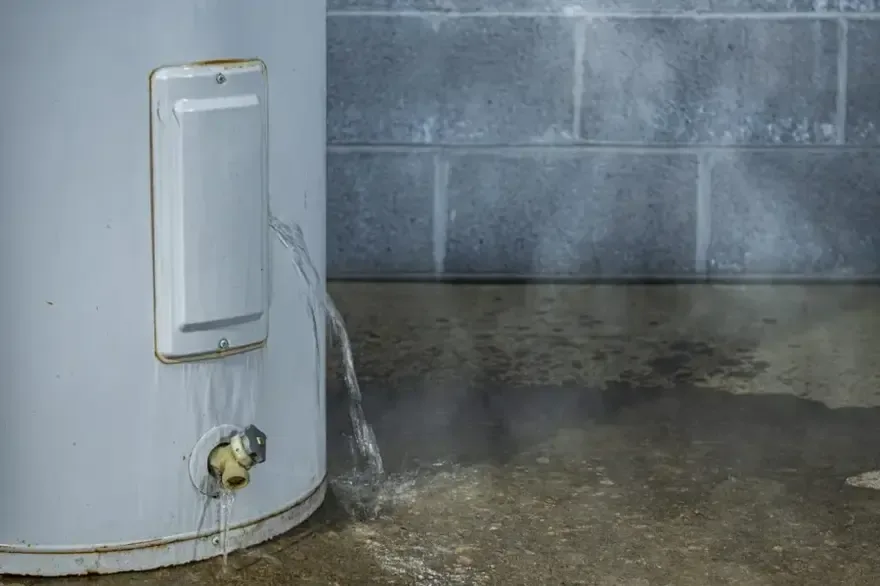
First steps for water heater leak cleanup in Quincy
- Stay clear of controls
Wet equipment, hot water and energy connections need assessment by the appropriate professional. Occupants should avoid reaching across the spill to operate unfamiliar heater controls.
- Describe the enclosure
The report should identify whether water is confined beside the tank or has crossed a doorway, reached stored belongings or appeared in the adjoining room.
- Keep storage documented
Photographs of damp boxes, shelving bases and nearby trim help show the original spill boundary before contents are moved to provide access around the heater.
- Coordinate equipment access
The route for tank repair or replacement should be considered alongside cleanup equipment so the exposed floor and wall edges can be assessed without obstruction.
What does water heater leak cleanup cost in Quincy, MA?
Water heater leak cleanup in Quincy has example ranges from $800 to $3,800+. Enclosure access, wet stored items and damage beyond the doorway affect the scope. Heater repair or replacement should be priced separately from the interior cleanup and drying tasks.
- Accessible floor puddle
- Limited storage handling
- Small drying footprint
- Wet enclosure trim
- Connected wall edges
- Additional material access
- Adjoining floor layers
- Expanded extraction needs
- Several affected surfaces
Cost factors: Water category, wet square footage, material class and the time before drying starts shape the scope. Access beneath cabinets, retained insulation and multiple affected levels increase the work.
Use the water damage cost calculator to compare conditions. These typical ranges are planning estimates, not a quote for the property.
How water heater leak cleanup proceeds
Assess the active heater area
The initial assessment records the spill, equipment access and the status of professional source control. Heat and energy concerns are addressed before work around the tank. The visible water footprint is mapped together with storage and enclosure surfaces that may conceal additional wetness.
Clear a controlled working route
Contents are handled according to their condition and the access needed around the equipment. Liquid removal exposes the floor more clearly. The work route accommodates the separate heater repair, allowing the room to be assessed without repeatedly placing equipment or belongings back over damp surfaces.
Inspect adjoining finishes
Moisture checks extend to nearby trim, the enclosure wall and the floor outside the doorway. A spill can enter those layers even when the tank footprint looks mostly dry. Damaged materials and any necessary access openings are identified before the retained assembly enters the drying phase.
Complete the material handoff
Drying follows the condition of the exposed floor and wall materials, with readings documenting progress. The final scope separates completed cleanup from tank replacement and finish repairs. Any surface that will become concealed behind equipment receives attention before the space returns to its normal arrangement.
A heater enclosure can hide water behind the tank long before a wet patch reaches the doorway. Stored boxes and nearby trim may absorb that escape, leaving a larger affected area than the open floor suggests. The assessment begins with the source condition and a safe route around the equipment.
The tank location, nearby storage and water beyond the doorway help define an assessment reaching farther than the visible heater puddle.
(888) 480-6221Describe the tank spill footprintKeep equipment safety separate from cleanup
Hot water and the heater's energy supply need appropriate professional attention. An occupant should not reach through pooled water to operate controls or attempt to move the tank. The plumbing or equipment professional handles source isolation and repair, while restoration work addresses water already spread into the enclosure and adjoining finishes.
- Describe whether the tank area remains wet after surface collection.
- Report water approaching electrical components without touching the equipment.
- Keep stored belongings out of routine use until their condition is assessed.
- Photograph accessible wall bases around the enclosure from dry footing.
Look behind storage and through the doorway
Adams Shore developed from a summer resort into a year-round residential neighborhood. In a household there, a heater spill may first be noticed when a stored item becomes damp. Moving contents safely for assessment can reveal water at the wall base and beneath the edge of the adjacent floor covering.
Merrymount is primarily residential, while South Quincy includes Faxon Park. The useful room description for a home in either area includes the heater's enclosure, the nearest doorway and any wet surface beyond it. Those details direct inspection toward concealed edges and any adjoining room reached by the tank spill.
- Check absorbent packaging that has rested against the wet floor.
- Inspect trim on the opposite side of an enclosure wall.
- Include flooring just outside the heater space in moisture checks.
Make room for the repair and the dryout
A replacement tank may need access through the same space used for extraction or drying equipment. Coordinating those tasks reduces obstruction and allows the exposed floor to be examined before new equipment covers it. Any damaged enclosure finish should be documented while the area remains visible and accessible.
When water has reached connected rooms, extraction assessment considers the liquid beyond the tank footprint. Drying then addresses retained wall and floor materials. The closing record should distinguish the heater work from the interior cleanup and explain what remains before trim or other finishes are restored.
Water Heater Leak Cleanup and the IICRC S500 standard
Moisture measurements
The technician compares wet materials with an unaffected reference of the same kind. Surface touch alone cannot show whether the full assembly has reached its drying goal.
Equipment adjustment
The drying team records temperature and relative humidity, then adjusts airflow and dehumidification when a cavity or dense material stops improving. Equipment stays until readings support removal.
Written progress
The restoration contractor records the initial condition, removal decisions and final readings. A dated record helps the homeowner understand what remains before repairs close the affected area.
Safe work boundaries
The response team separates wet work from occupied rooms, checks equipment power requirements and keeps exit routes open. Occupants keep children and pets clear of hoses and cords.
water heater leak cleanup service in Quincy
Heater spill assessments cover homes in Adams Shore, Merrymount and South Quincy, checking the enclosure, nearby storage and any floor materials beyond the doorway.
The same service nearby: water heater leak cleanup in Milton, Braintree, Randolph.
Water Heater Leak Cleanup questions in Quincy, MA
Does water beside the heater mean the tank failed?
The source needs an equipment or plumbing assessment. Water can appear around the tank from different components or nearby plumbing. Restoration work records the affected materials while the appropriate professional determines what must be corrected to stop the escape.
Should stored boxes be moved immediately?
Only when access is safe and handling will not spread damage. Wet boxes can weaken or conceal water beneath them. Photographs before movement help document the spill, and affected contents should be separated for an appropriate condition assessment.
Can cleanup wait until a new heater arrives?
The equipment schedule and wet material needs should be coordinated. Water can remain beneath trim or floor coverings while replacement is arranged. Necessary mitigation and inspection may proceed when safe access and source control allow the interior work to begin.
Why check outside the heater closet?
A doorway can hide water passing beneath adjacent flooring or into wall edges. Inspecting those materials establishes whether the loss is confined to the enclosure. The visible pool beside the tank is not always the complete boundary of the spill.
Is drying needed on an exposed concrete floor?
The condition of the floor and adjoining materials determines the need. Concrete can retain moisture, while nearby trim or walls may absorb water from the spill. Measurements help separate a cleared surface from an assembly still requiring attention.
What should be checked before replacing enclosure trim?
The source should be corrected, damaged materials addressed and retained surfaces assessed for moisture. The repair plan should also account for access around the heater. New trim belongs after those conditions are resolved so it does not conceal damp edges.
Related water damage services in Quincy

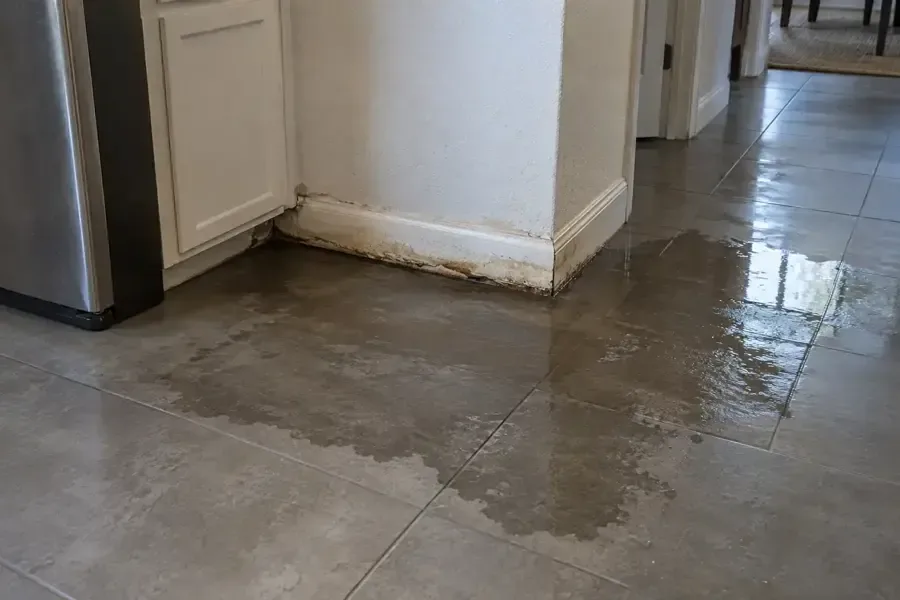
Recover the enclosure and adjoining finishes
Coordinated equipment access gives the wet floor and wall edges attention before a repaired or replacement heater hides them from view again.