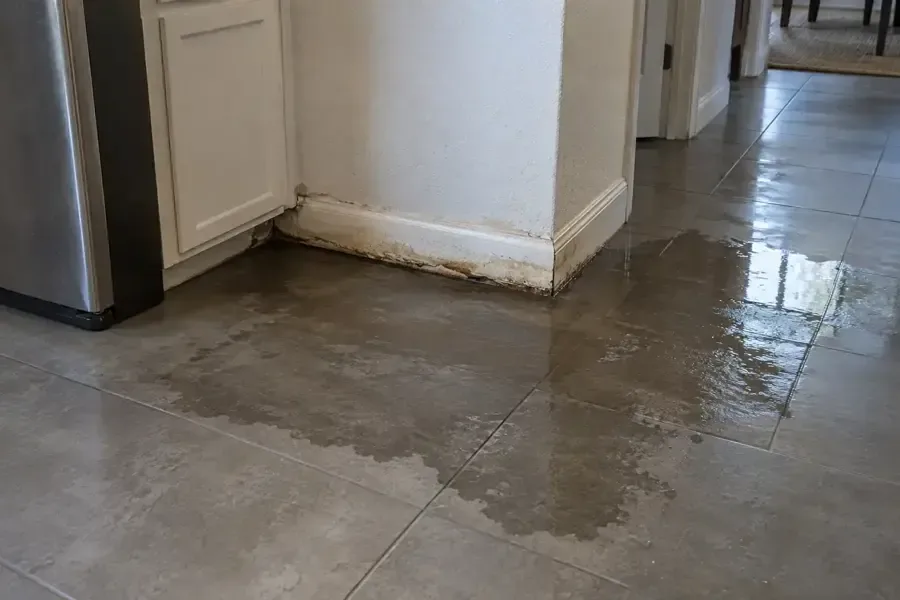
Braintree scheduled its annual water system flushing program to begin April 6, 2026. The notice warned that dirty water could occur and advised checking that water runs clear before resuming laundry. A homeowner who also finds water outside a washing machine needs a separate account of that spill: where it appeared, what the appliance was doing and which surrounding surfaces became wet. Those observations direct the appliance assessment and interior cleanup.
Key takeaways
- Follow the municipal instruction to check that water runs clear before laundry resumes.
- Treat a puddle outside the appliance as a condition needing its own source assessment.
- Avoid wet plugs and controls while reporting an active release.
- Record whether water appeared during filling, washing or draining.
- Check surrounding flooring and nearby rooms after the appliance source is corrected.
Keep the municipal notice with its own observations
The Braintree Water and Sewer Department maintains the municipal water and sewer systems. Its flushing advice addresses water seen at the tap before laundry resumes.
The household can keep the notice and record what was observed at the faucet, allowing any question about discoloration to be described clearly to the appropriate contact.
A spill outside the washing machine needs details about the appliance and the room. The owner can note the first visible wet location, the control setting already selected and whether water was still moving.
Keeping those details separate from the tap observation gives the appliance technician a more useful starting point.
If the floor is already wet, occupants should avoid reaching behind the machine or touching a wet electrical connection. The appliance leak cleanup service can assess the escaped water and surrounding finishes while the appropriate repair professional investigates the appliance, its connections and the drain arrangement.
- Save the flushing notice for reference.
- Describe tap water and escaped water separately.
- Report the appliance's observed operating phase.
Use the timing of the spill to direct inspection
Water first noticed while a machine fills presents a different observation from water that appears during draining. The owner should report that sequence without restarting a cycle to reproduce it.
A technician can decide how to examine the connections and appliance safely after the active situation has been assessed.
The location of the first visible water also matters. A puddle at the front, moisture along a nearby wall or water emerging from beneath a cabinet should be recorded as found.
Photographs from an accessible dry position can preserve the distinction before cleanup changes the appearance of the floor.
The owner can mention any recent movement of the appliance or service work already performed. That history belongs beside the timing notes, with the date of discovery and the people who observed the release.
A clear account makes it easier to investigate the source while avoiding a series of informal household tests.
Create working access without dragging the problem
A laundry space may have limited room around the appliance. Pulling a heavy machine forward without a plan can disturb connections, damage a wet floor or expose a concealed electrical concern.
The team should determine how it can be moved and which trade needs to disconnect or inspect the relevant components.
Contents in adjacent cabinets should be considered before movement begins. Dry cleaning supplies or stored fabrics can be relocated to a protected spot when safe, while wet containers remain identified for assessment.
The owner should tell the team about items kept beneath or behind the appliance that could complicate access.
Once the machine is safely moved, photographs should show the area previously hidden by its base. That view can reveal the actual water boundary and places where flooring or wall finishes need further checks.
The inspection should record what becomes visible instead of treating appliance removal as the end of the investigation.
- Explain the available space around the machine.
- Identify storage that blocks inspection.
- Have connections managed by the appropriate professional.
- Photograph the exposed area after movement.
Track the spill across finish changes
The visible puddle may stop at a doorway while moisture extends beneath a finish at the threshold. The inspection should follow floor transitions, wall bases and fixed cabinetry where the water route leads.
Measurements at those points help establish which materials need attention and which adjoining spaces remain unaffected.
An upstairs laundry release may also call for a check of the ceiling below. The report should name that lower room and show the observation or reading that prompted the check.
This gives the homeowner a connected account of the loss instead of separate descriptions that appear to be unrelated problems.
Water extraction addresses accessible liquid before the remaining moisture plan is set. Technicians can explain which tool reaches the exposed surface and whether concealed edges need additional access.
The repair record for the appliance should remain linked to the cleanup file so source correction and water removal can be followed together.
Explain what cabinetry needs to reveal
A cabinet toe space can hide a wet edge even after the open floor has been cleared. A proposed inspection should identify the particular cavity and why it is relevant to the observed route.
The homeowner can then understand whether removing a trim piece is intended for observation, extraction or drying access.
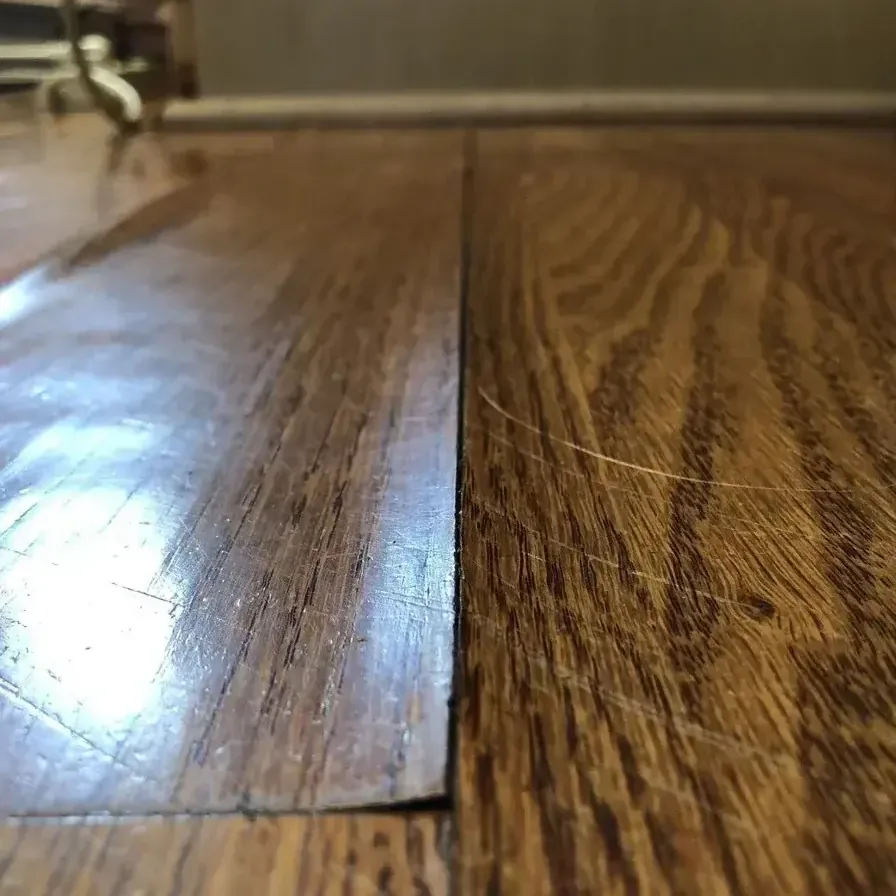
The condition of a cabinet component should be documented before a decision about retention. Changes such as swelling, separation or a distorted edge affect the discussion alongside the moisture assessment.
Photographing the component in place helps the finish contractor understand what the restoration team encountered.
If a removable panel is kept for reinstallation, its original location should remain clear. If replacement is proposed, the scope should identify the affected portion instead of describing all surrounding cabinets as a single item.
These distinctions make a later repair proposal easier to compare with the actual wet area.
- Name the concealed space being inspected.
- Record visible finish changes before removal.
- Label retained panels for reinstallation.
Separate a repaired machine from a dry room
An appliance can be repaired while its surrounding floor or wall still needs work. The appliance professional should document the source finding and correction, while the restoration team records the materials affected by the release.
Each record answers a different question and helps the owner coordinate the remaining tasks.
The structural drying service follows moisture in retained materials. Progress notes should show the same locations over time and explain adjustments to the setup.
The room can then be evaluated by the condition of its floor, walls and cavities instead of by the fact that the appliance is working again.
Laundry use during this period needs an explicit discussion. The household should know whether the appliance can be operated, whether access remains restricted and what new observation should prompt a call to the project contact.
Those instructions should account for both the repair status and the arrangement of cleanup equipment.
Restart laundry with the paperwork in order
Before normal use resumes, the owner should have the appliance finding, any connection work and the material assessment in an understandable form. A return visit by another technician becomes easier when the records show what was inspected and what changed.
Any remaining finish replacement should appear as a separate task with an identified location.
The town's flushing notice advises checking that the water runs clear before resuming laundry. That instruction can be kept with the household's municipal notices, while the spill photographs and repair invoice stay with the appliance history.
Organizing them this way preserves both sets of information for future questions.
The final room photographs should show the floor and wall edges after equipment is removed and any retained panel is restored. The owner can compare that view with the opening images and identify outstanding cosmetic work.
A useful closeout makes the remaining steps visible rather than leaving them to be discovered during the next laundry day.
- Retain the appliance repair report.
- Collect the final material condition notes.
- Confirm which finish tasks remain.
- Keep municipal water notices available for reference.
Questions
What did the Braintree flushing notice say about laundry?
It advised checking that water runs clear before laundry resumes. A household following that instruction can record tap observations separately from any appliance spill that needs inspection of the machine and its surrounding room.
Should a machine be run again to locate the leak?
The owner should report the cycle phase and wet location already observed. A repair professional can decide whether controlled operation is appropriate after checking access, connections and electrical conditions around the appliance.
Why inspect behind cabinets after a small laundry spill?
A wet path reaching a cabinet edge may continue into an enclosed space. Targeted inspection helps determine whether that area needs extraction or drying and gives a specific reason for any proposed panel removal.
Which record shows that the room is ready to use again?
The room handoff should describe the condition of retained materials and any limits on access or use. The appliance report supplies its repair status, while the finish list identifies work still needed around it.